Cuba – day 8

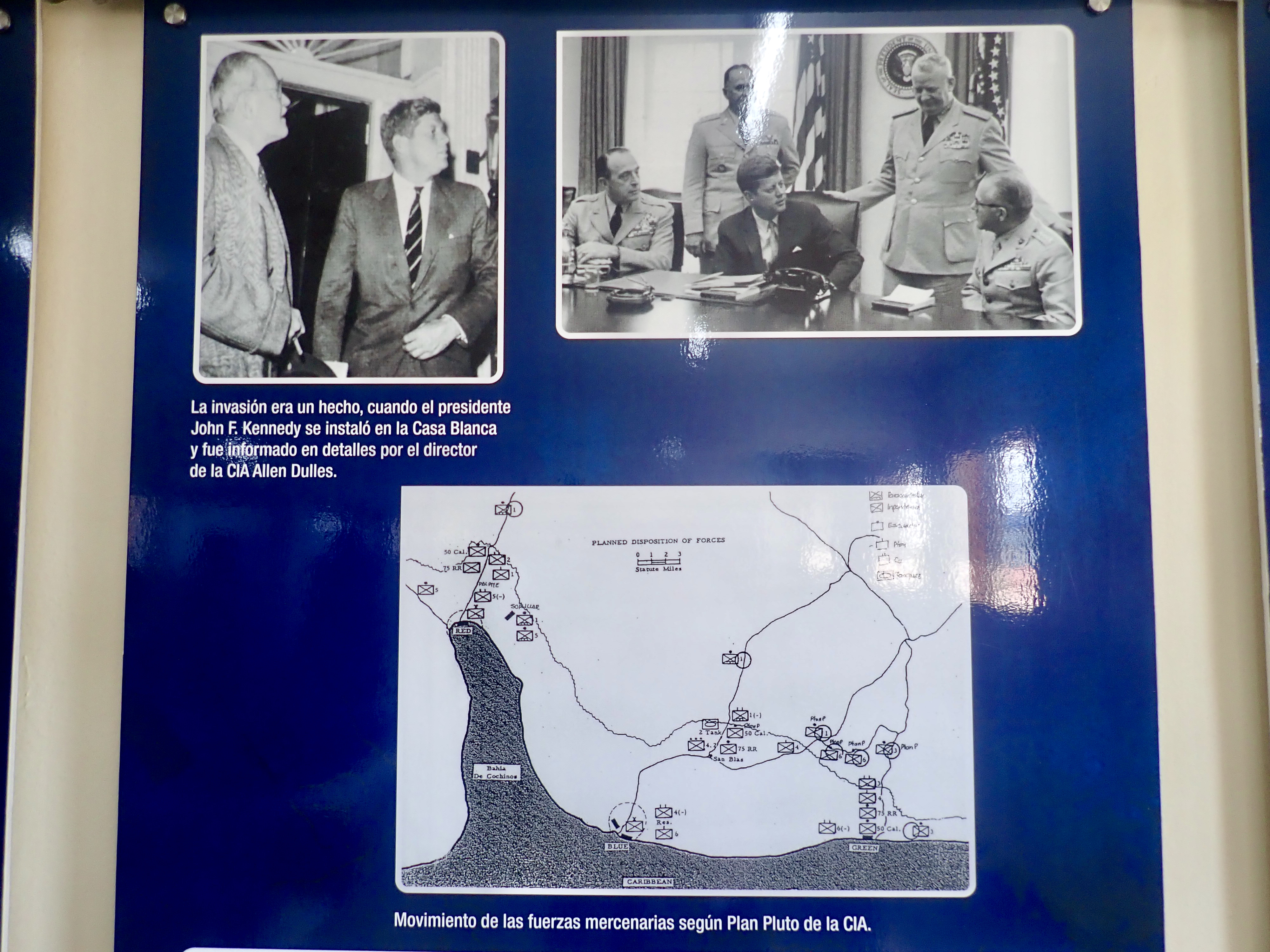
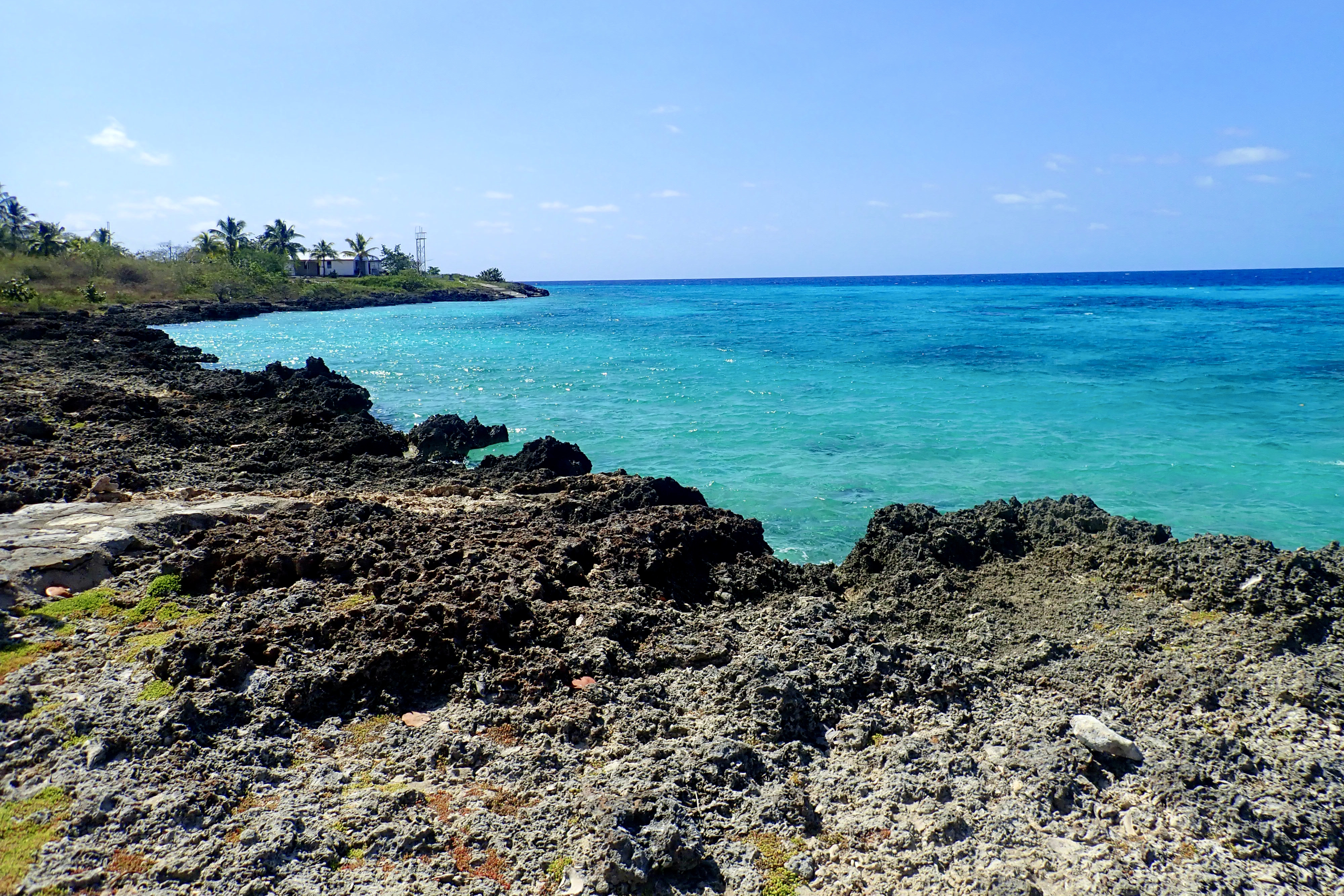
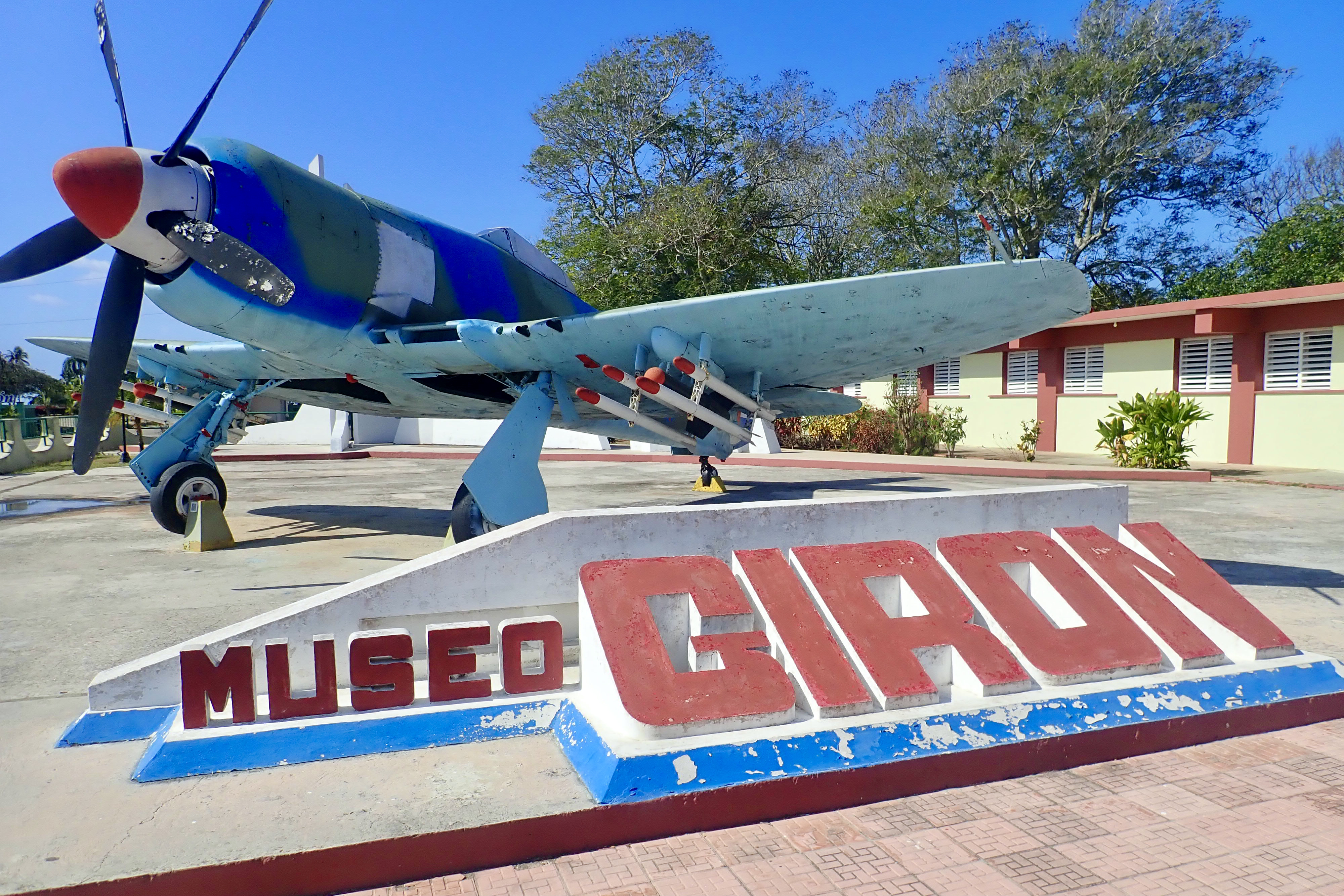
We toured the museum dedicated to the Bay of Pigs invasion – a military operation on the southwestern coast of Cuba in 1961 by Cuban exiles which was secretly financed and directed by the USA, hopefully to overthrow Fidel Castro’s communist government. It failed within 72 hours.
A brief stop at a “secret garden” with many small trees and bird feeders in the backyard of a home Ray/tour director knew of.

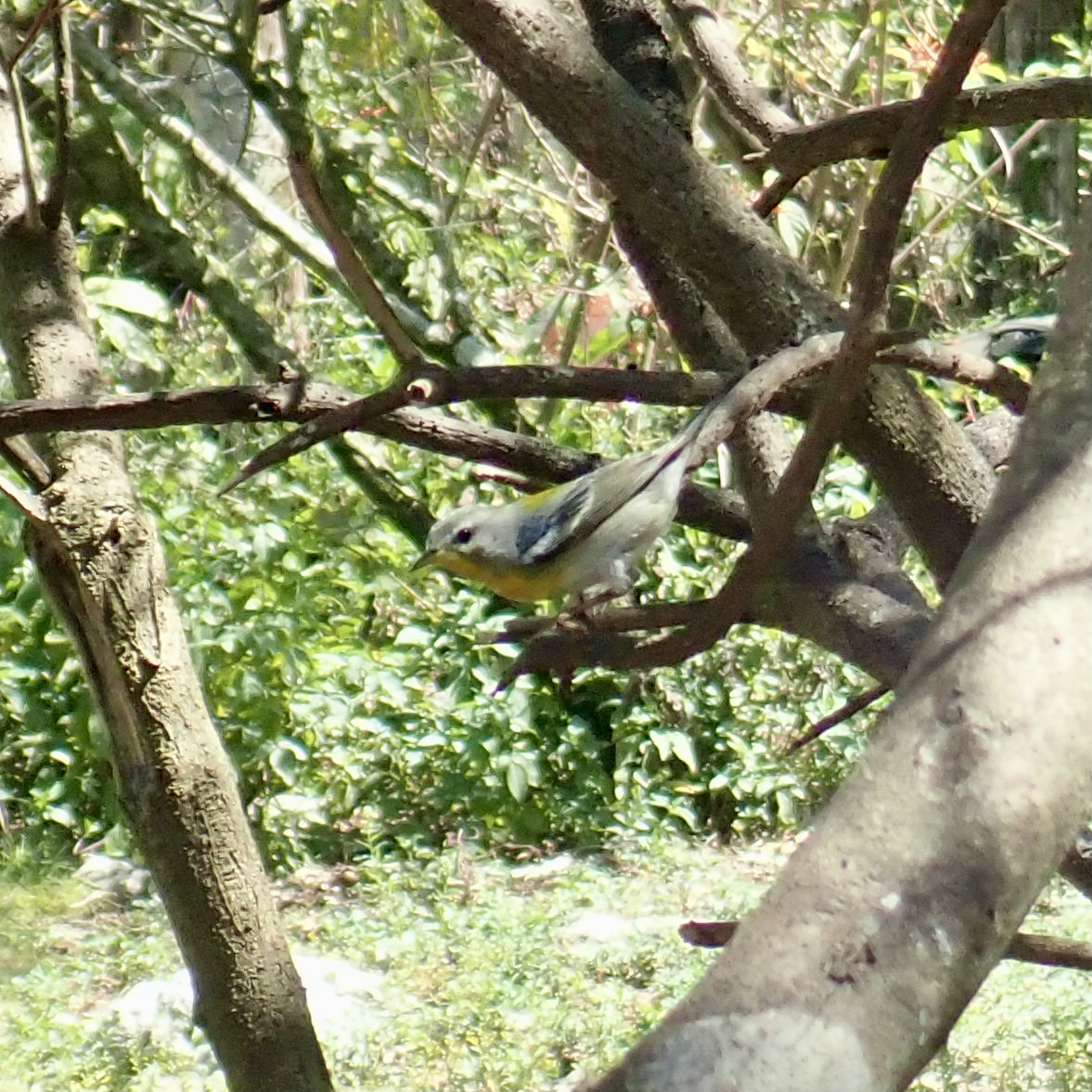
So many little birds flitting about and hard to capture in a picture. There were many bee hummingbirds, the smallest species, just 2 inches long. I took 10 pictures, only one contained a bird, and it wasn’t a bee hummingbird:
Today, we were supposed to do a short bike ride. Although that particular activity was communicated to us, the travelers, it was not communicated to our tour directors. No arrangements had been made. Darn. To counter our disappointment, we stayed only one night in Cienfuegos instead of two, and came to an all-inclusive resort in Varadero called Melia Las Antillas. We had a very relaxing afternoon, many enjoyed the pool or beach (not me, I caught up on the blog and answered emails).
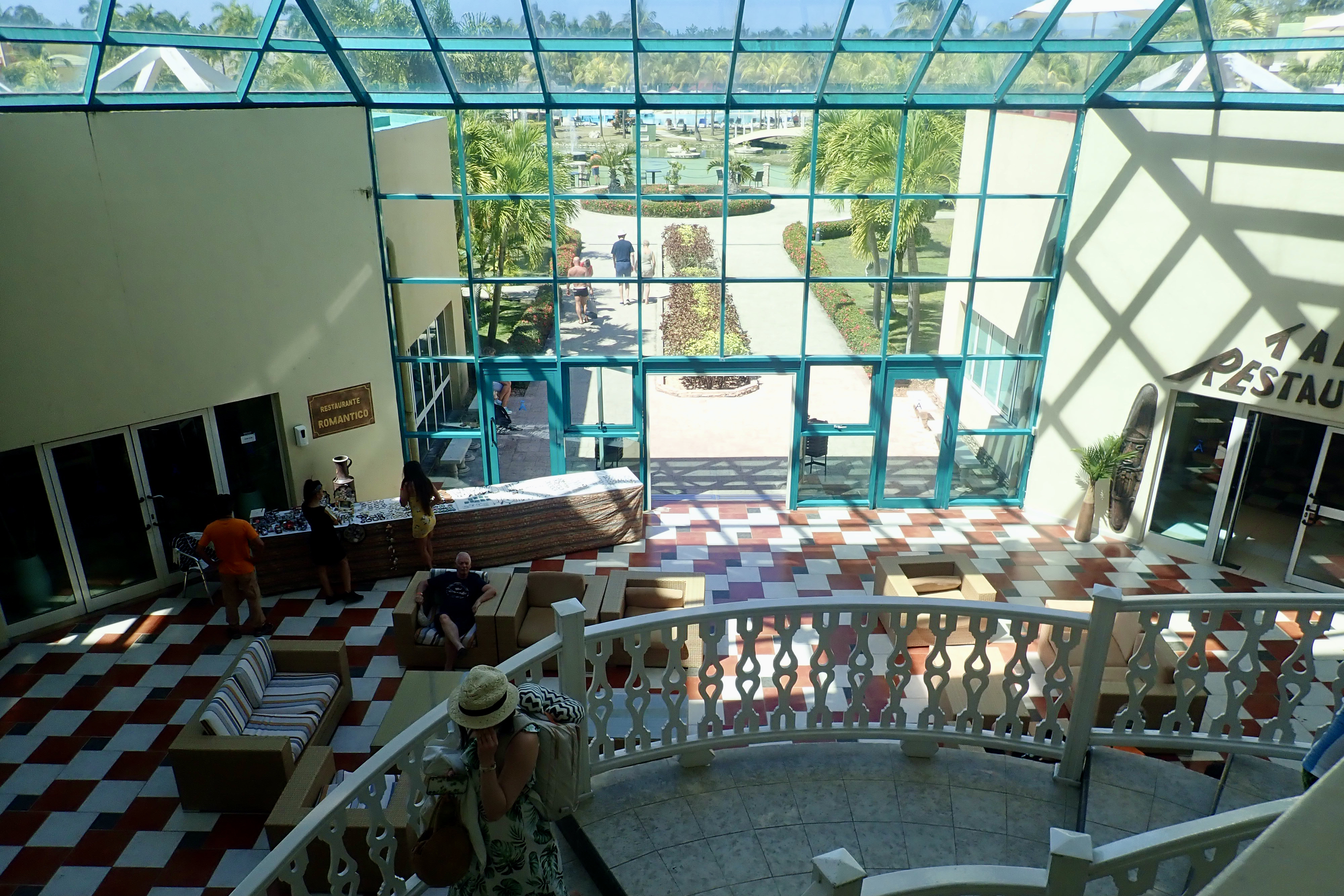
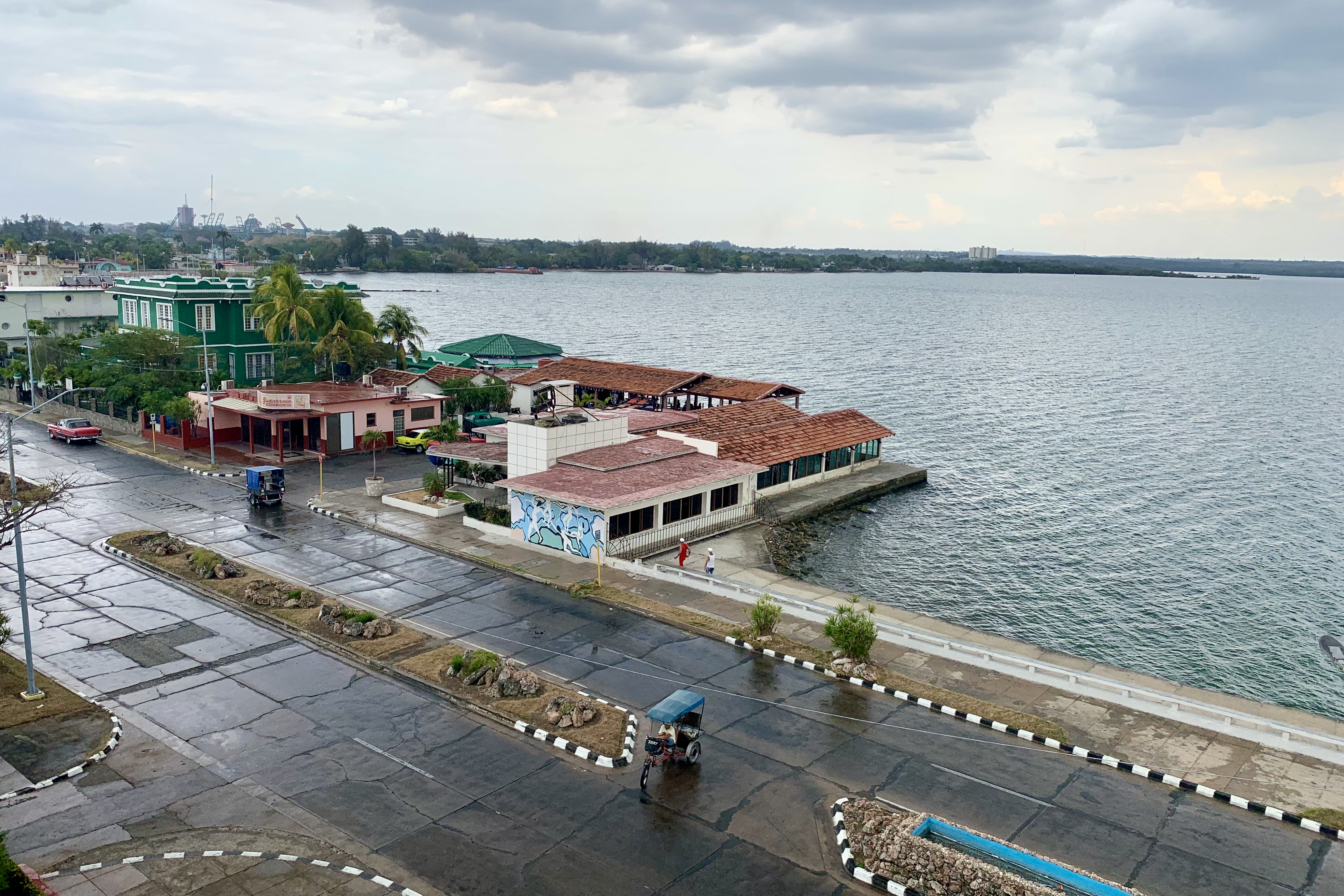
The view from my balcony:
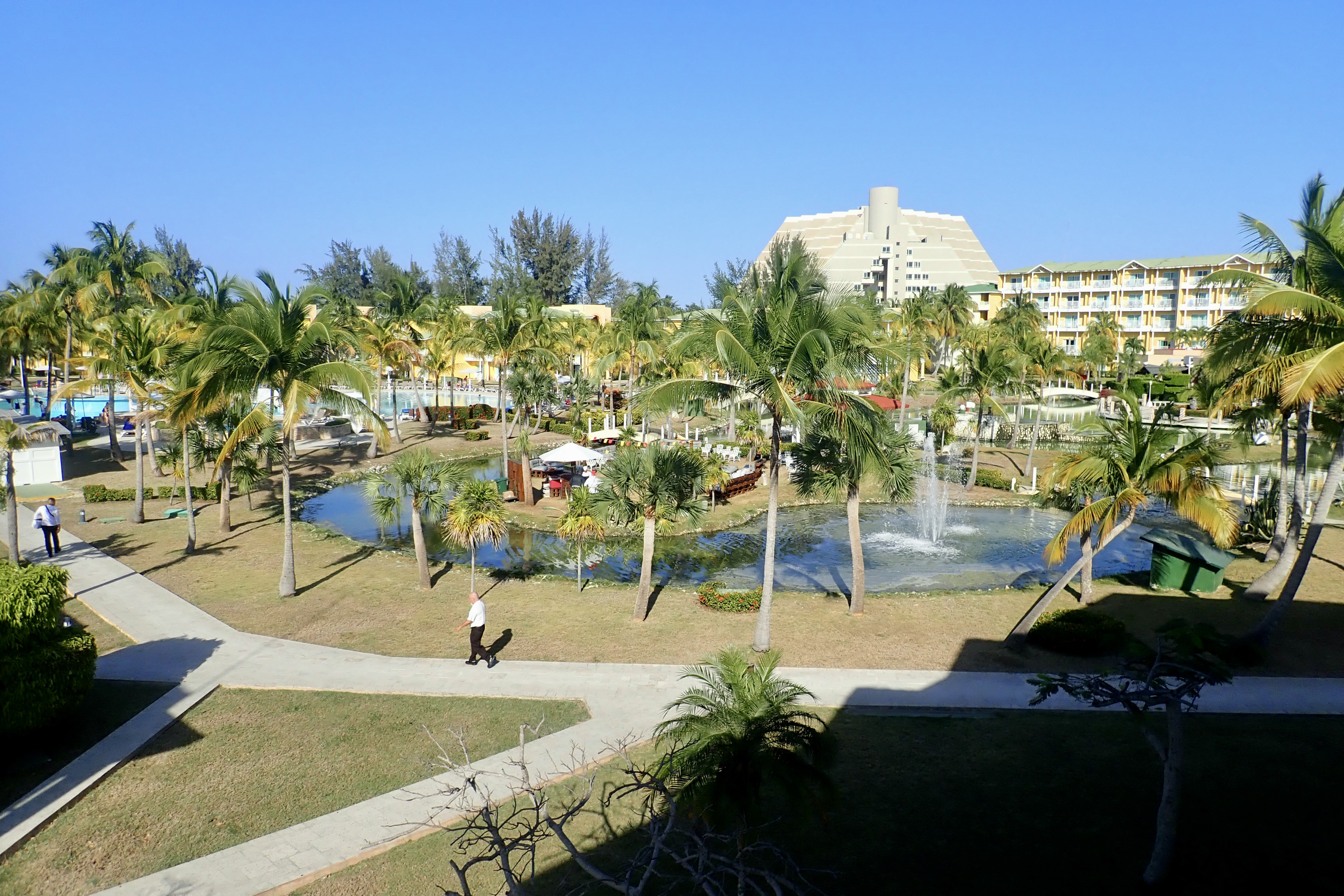
Beautiful, relaxing, but not much to share. Giving you a break from super long blog posts.
Cuba – day 7

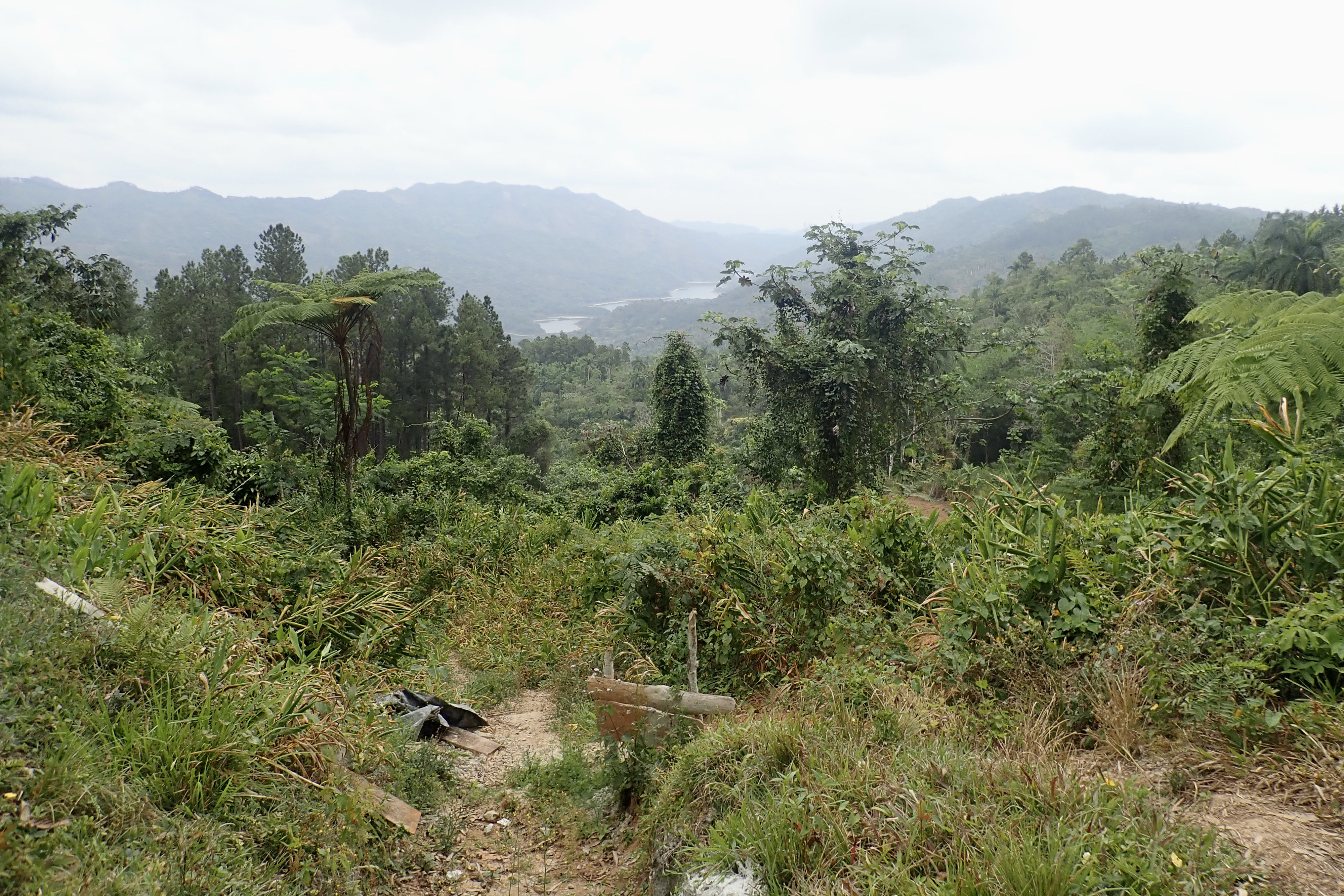
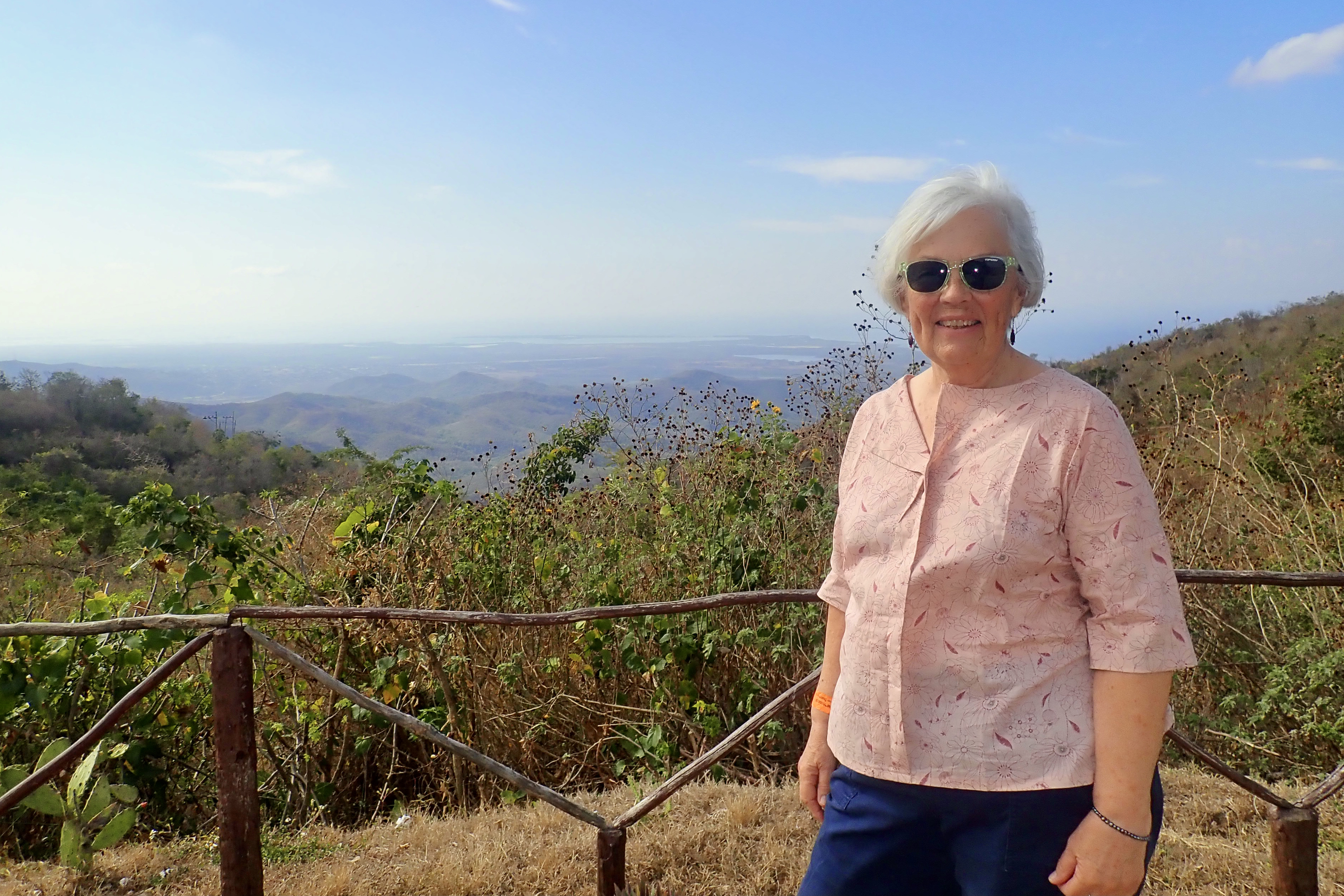
We boarded the bus and drove into the mountains on curvy narrow roads. We stopped at a couple of overlooks.

Our next stop was a coffee farm where we would have lunch – the best meal so far!

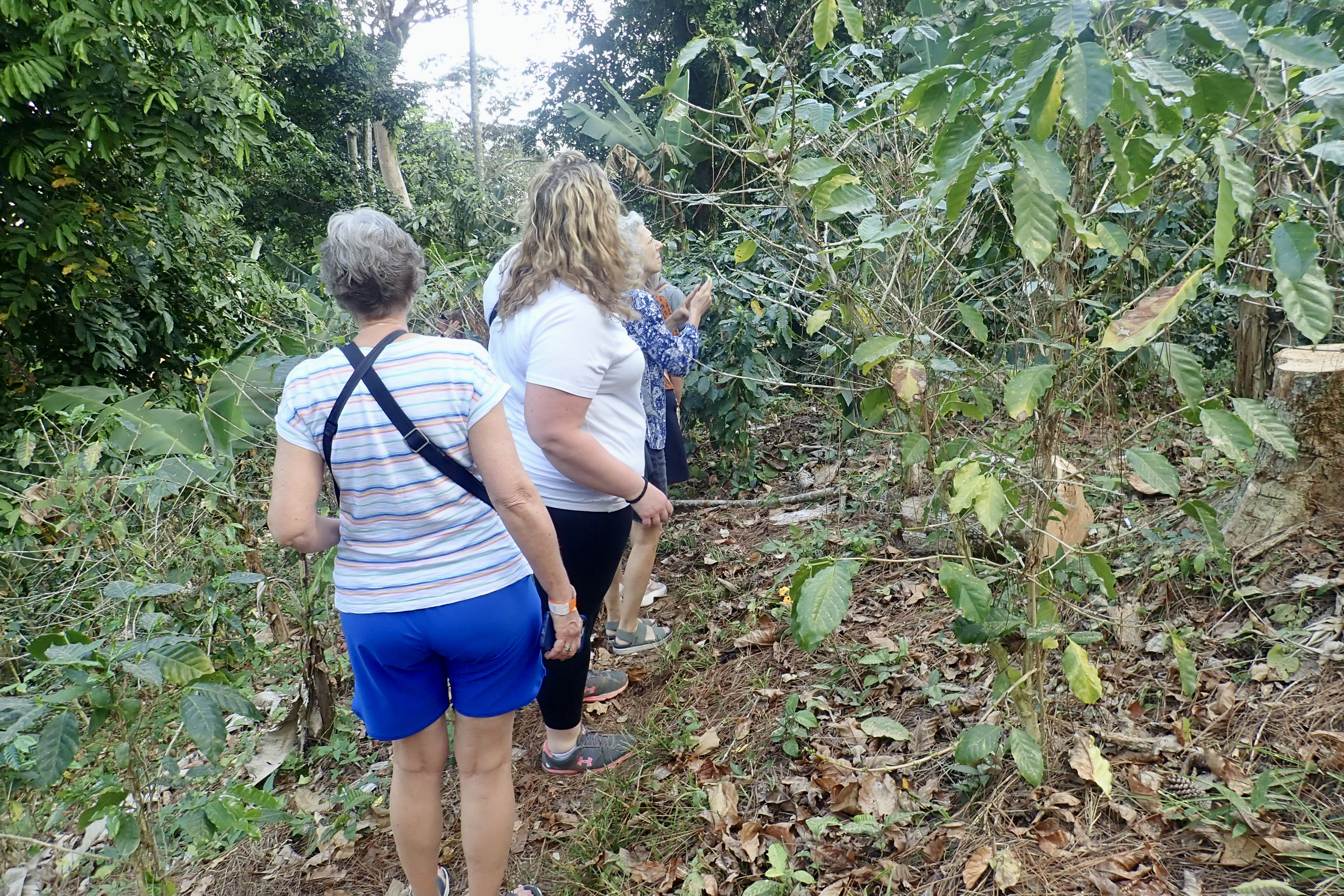
We took a walk on a narrow path to see the coffee plants.

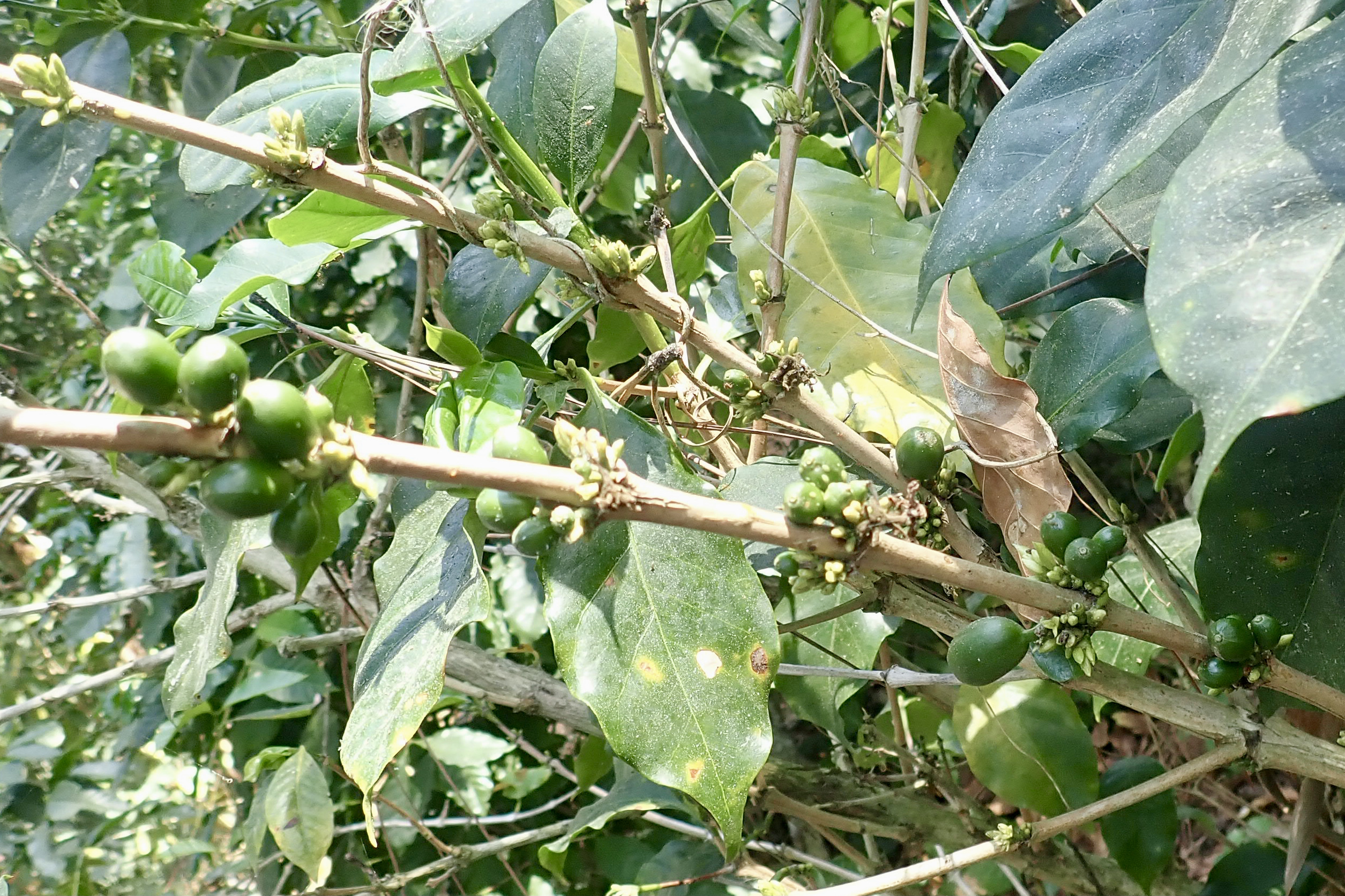
Green coffee – not ready to harvest.

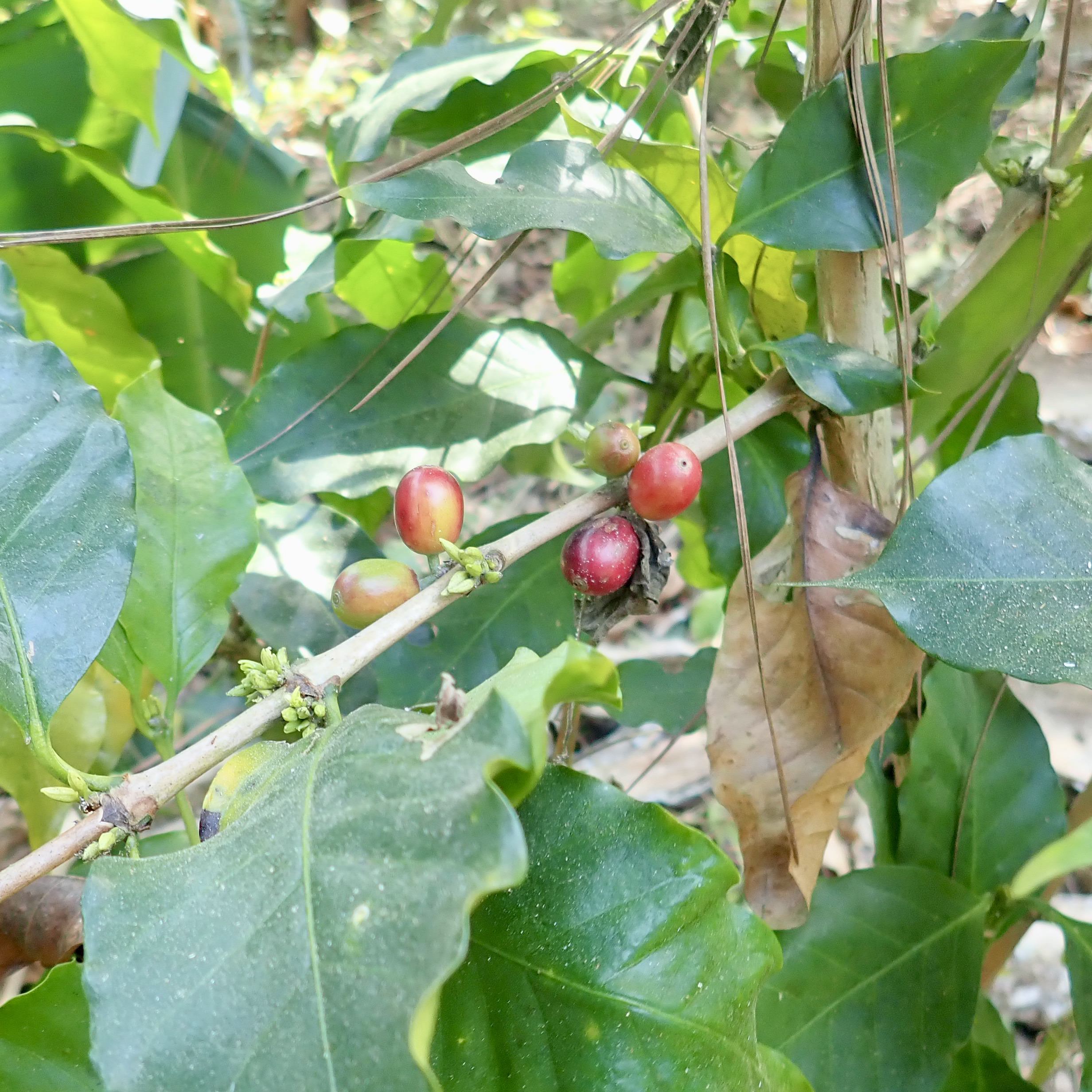
Red berries ready to pick.

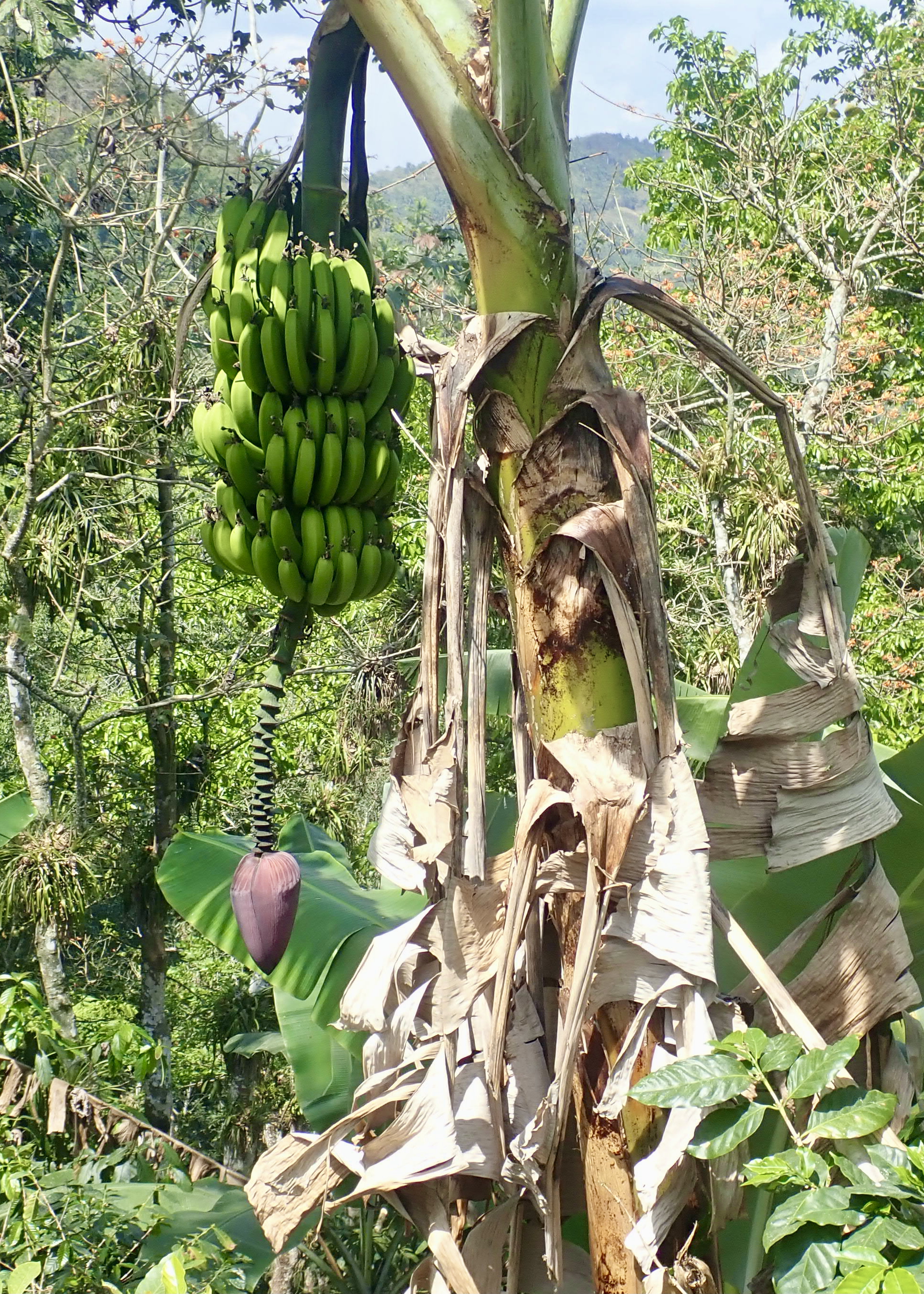
Banana tree:

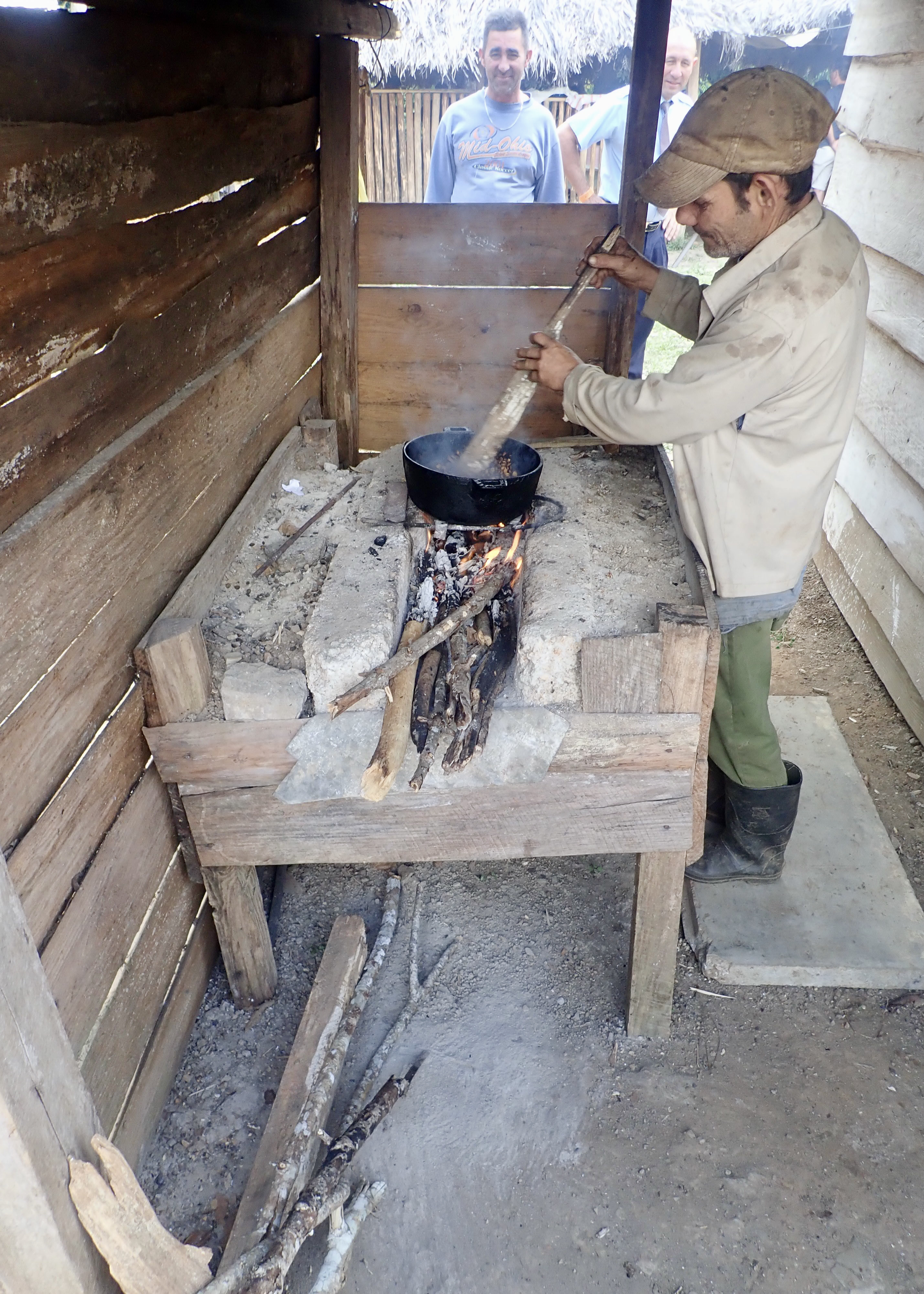
Roasting the dried coffee beans stirring constantly:

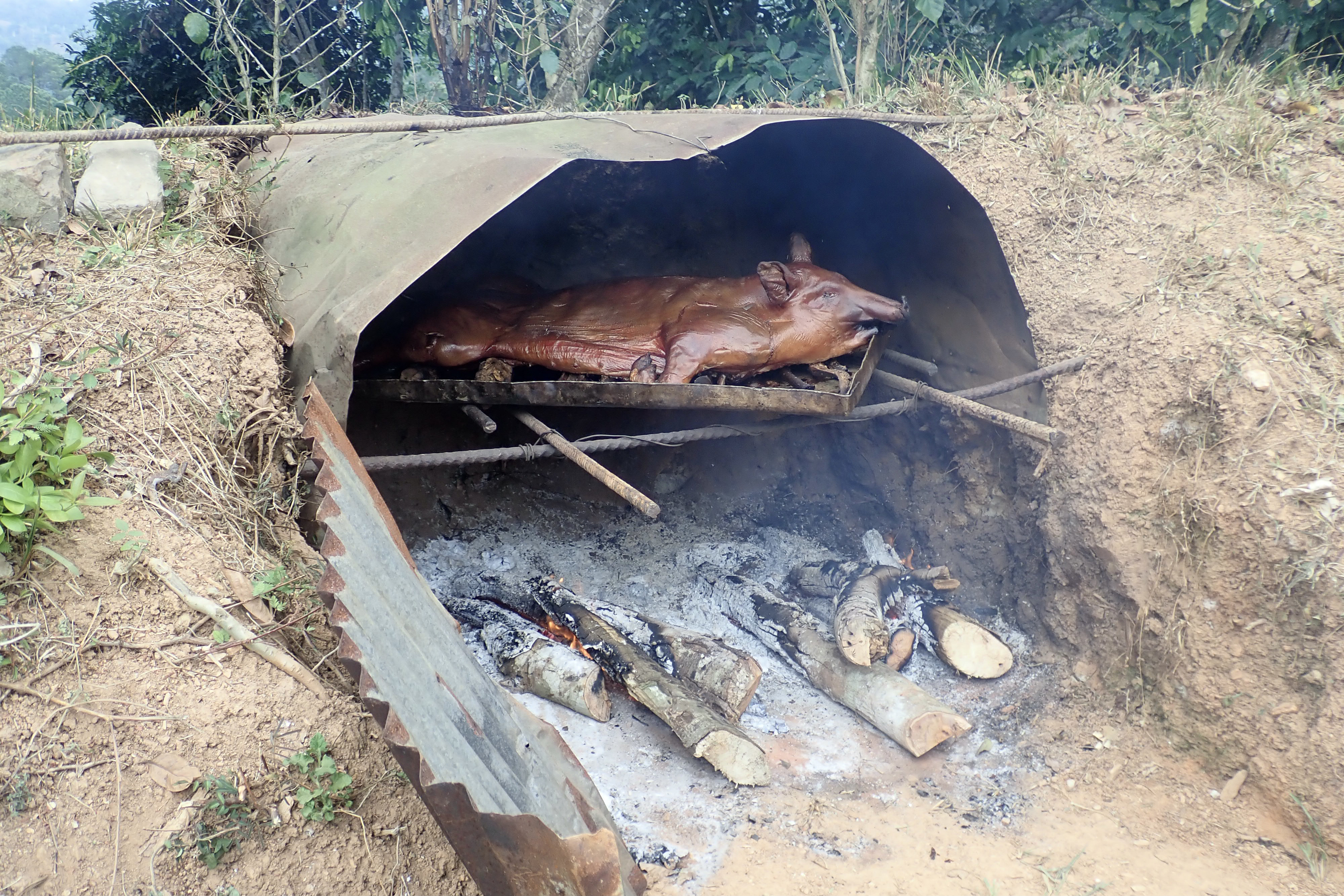
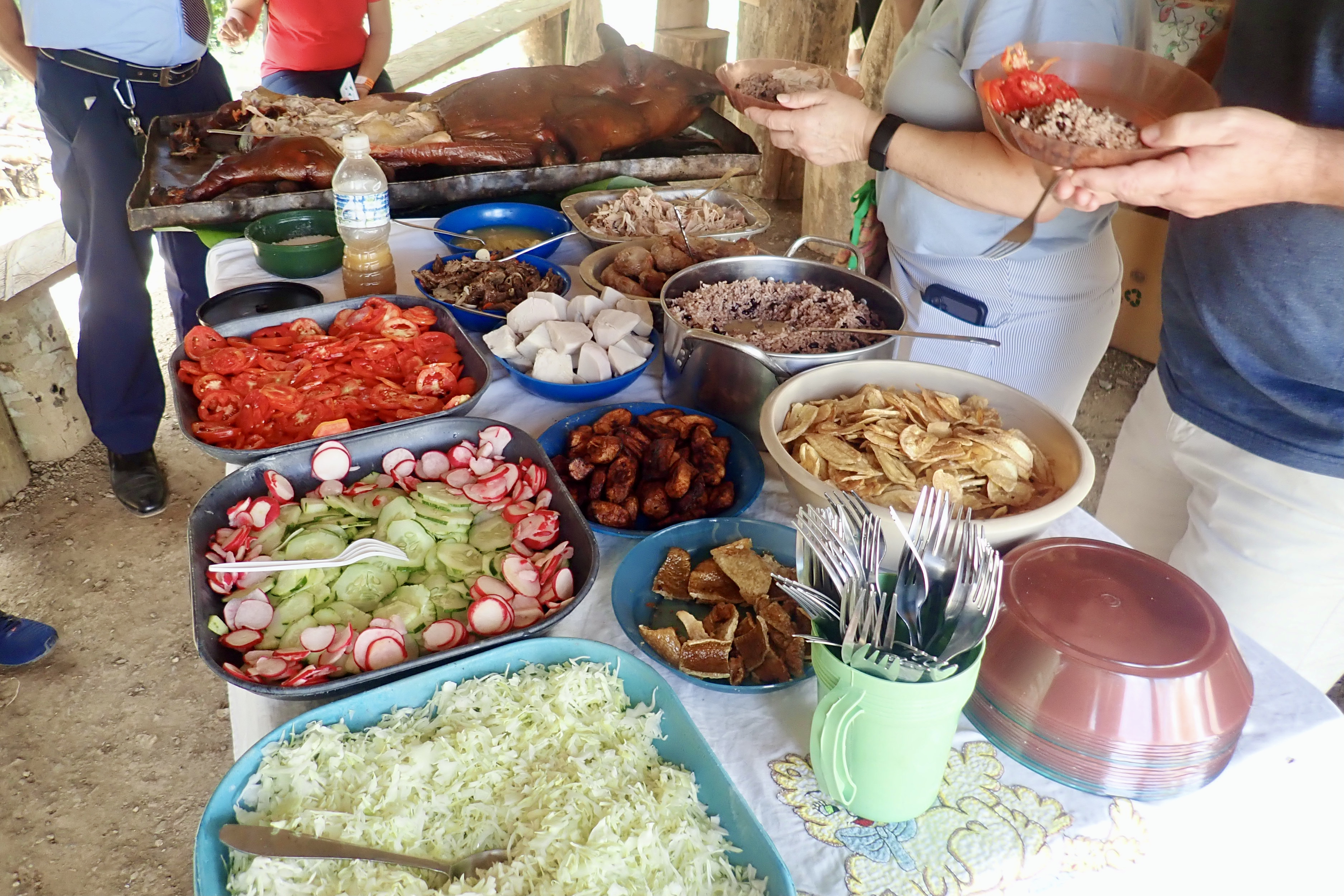
A very special lunch of roast pig:

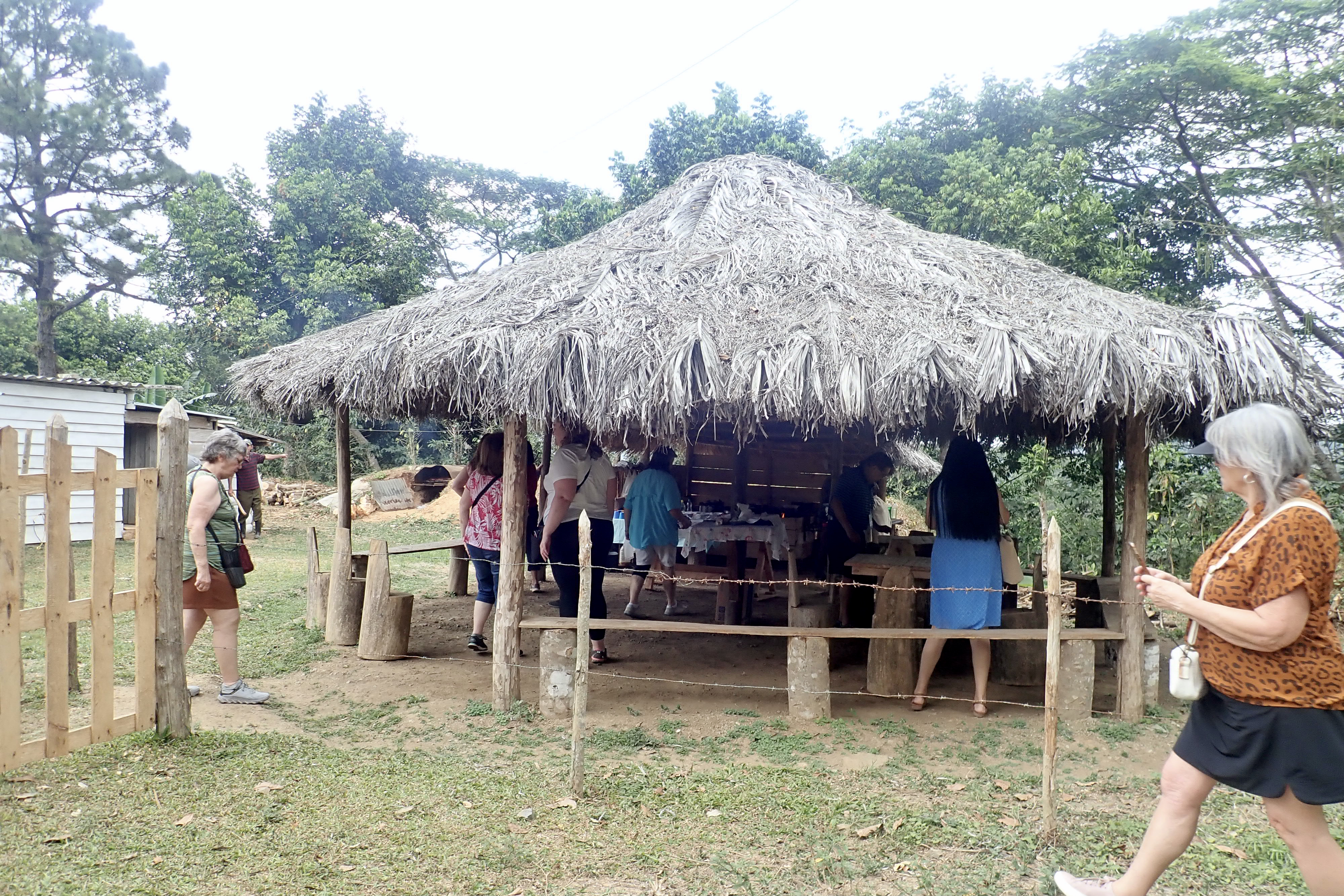
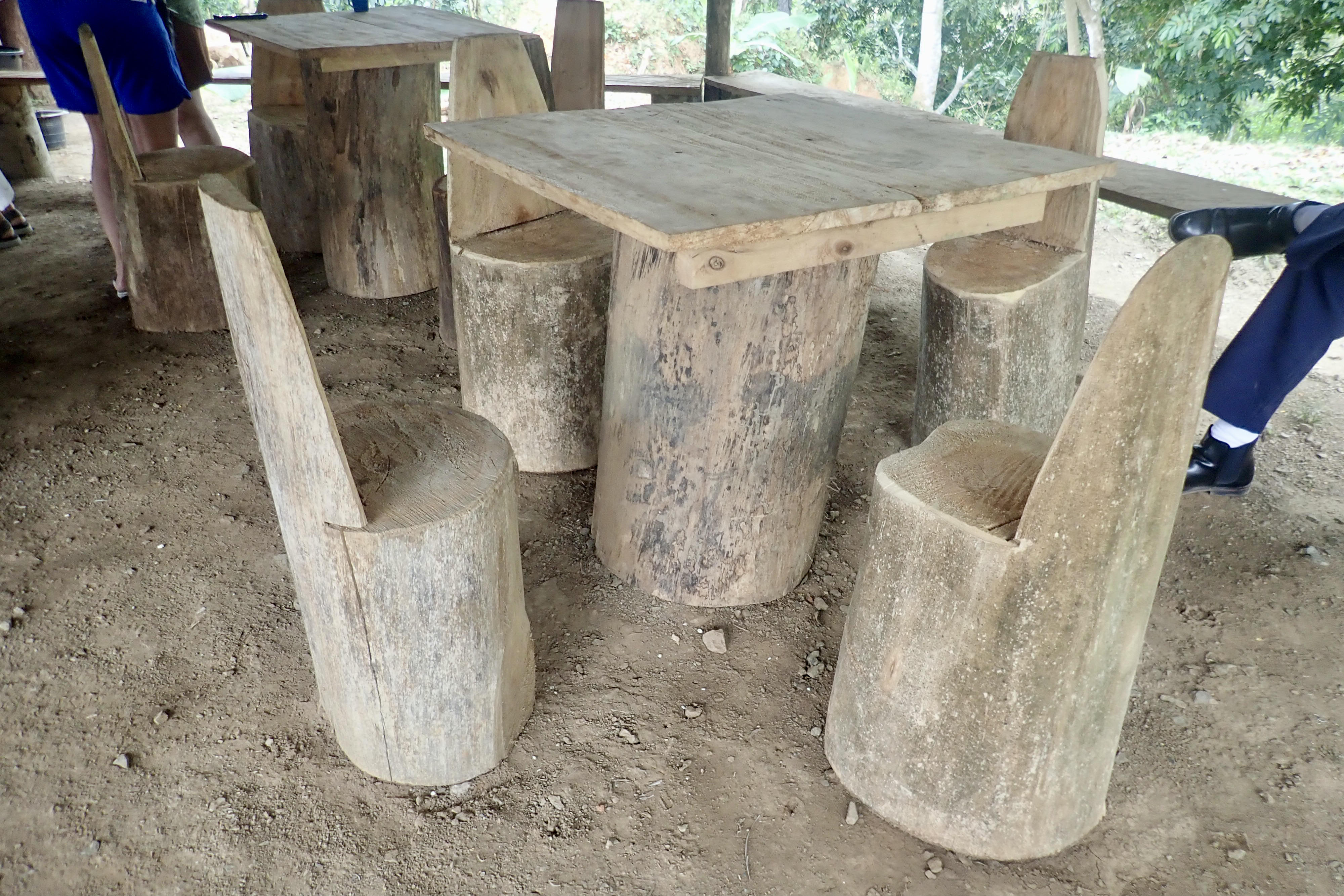
The seating was a bit rustic.

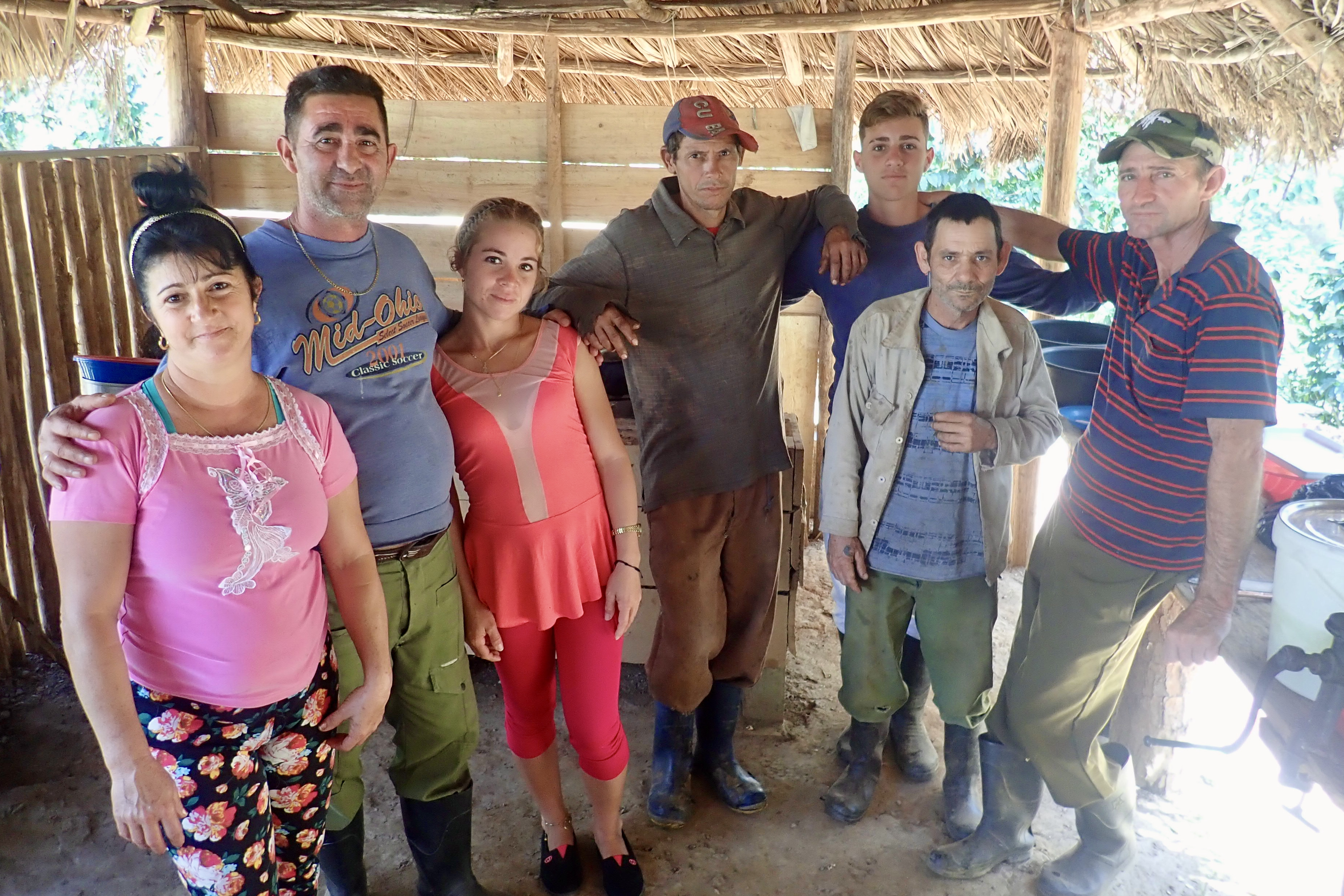
The family who hosted us. So friendly and welcoming.
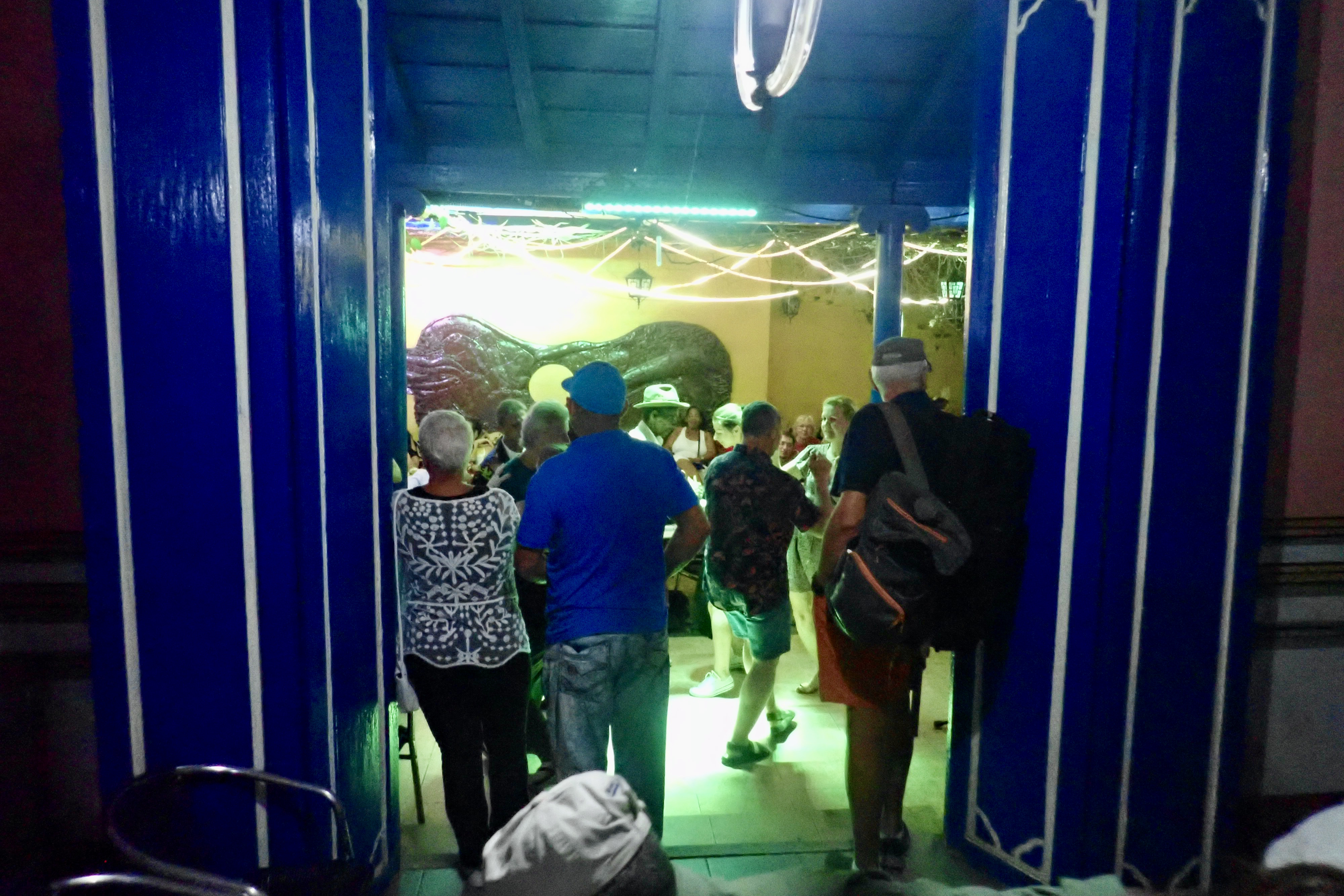
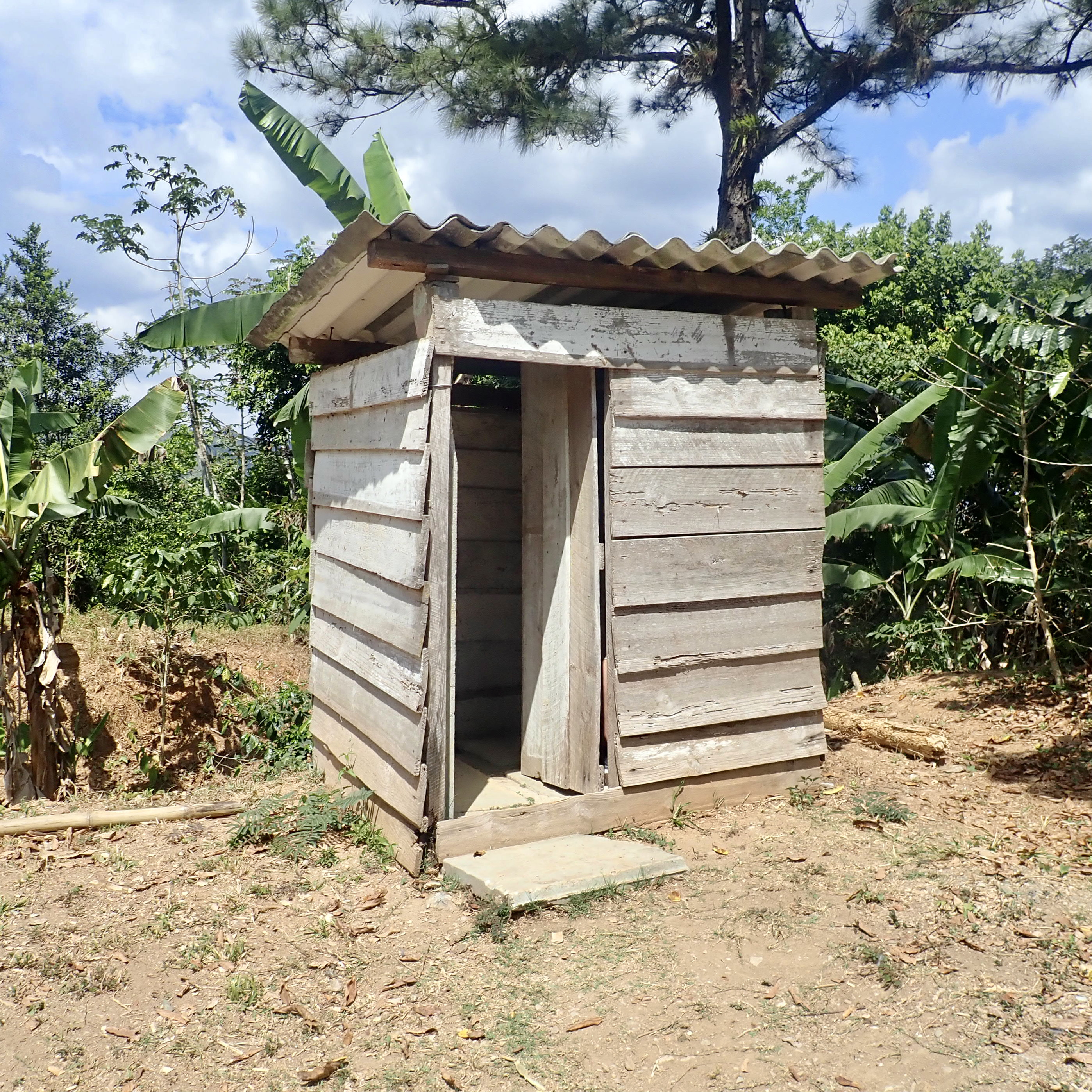
Before we left, we used the outhouse with a porcelain toilet, actually much cleaner than some of the indoor toilets we’ve used.

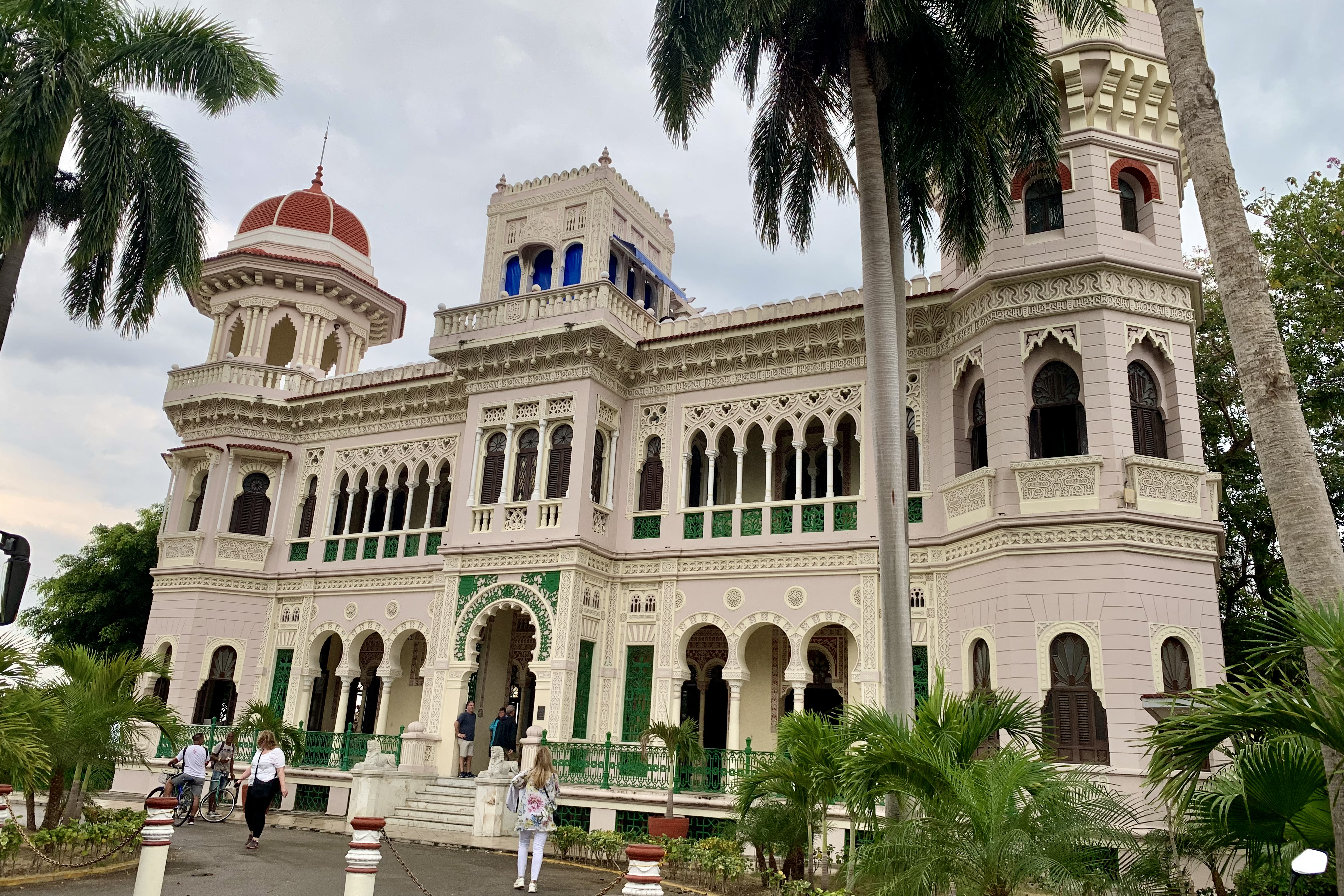
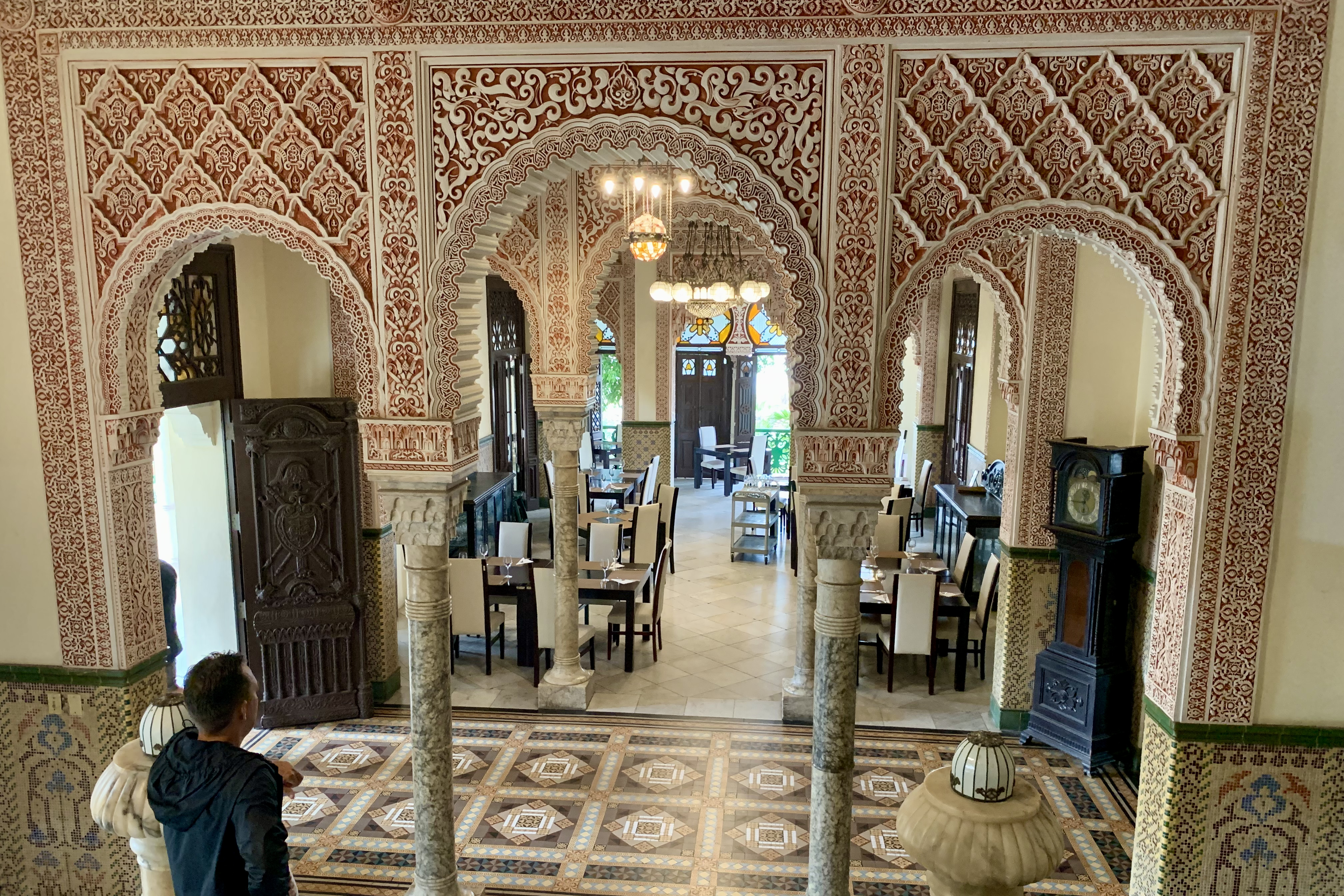
From rustic to over-the-top opulence. In Cienfuegos – 100 fires – the home of a rich Spanish investor in the sugar cane industry built to resemble the Alhambra.

The view from the roof patio.

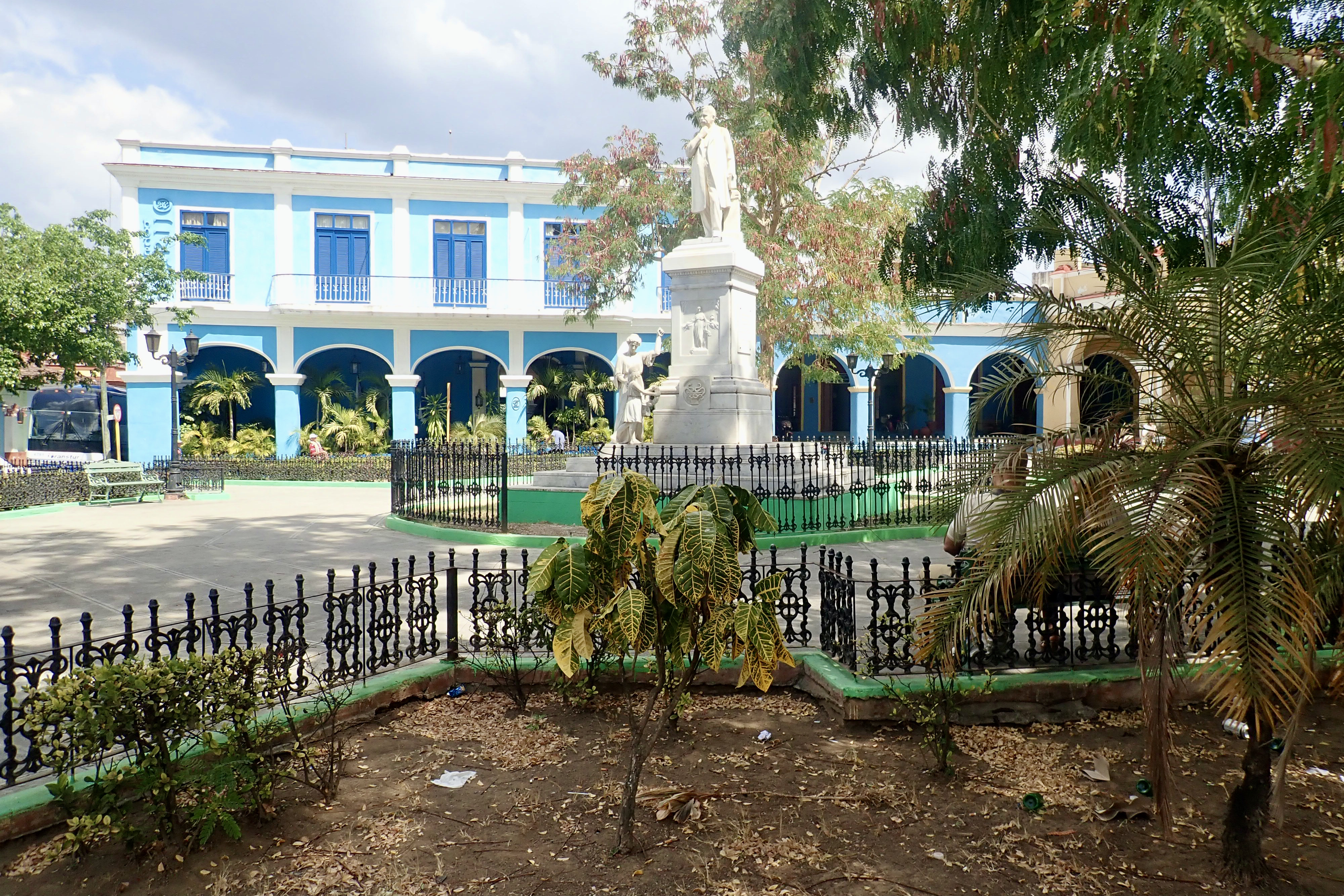
We walked the wide boulevard downtown and ran into a children’s group parading to celebrate the International Book Fair.

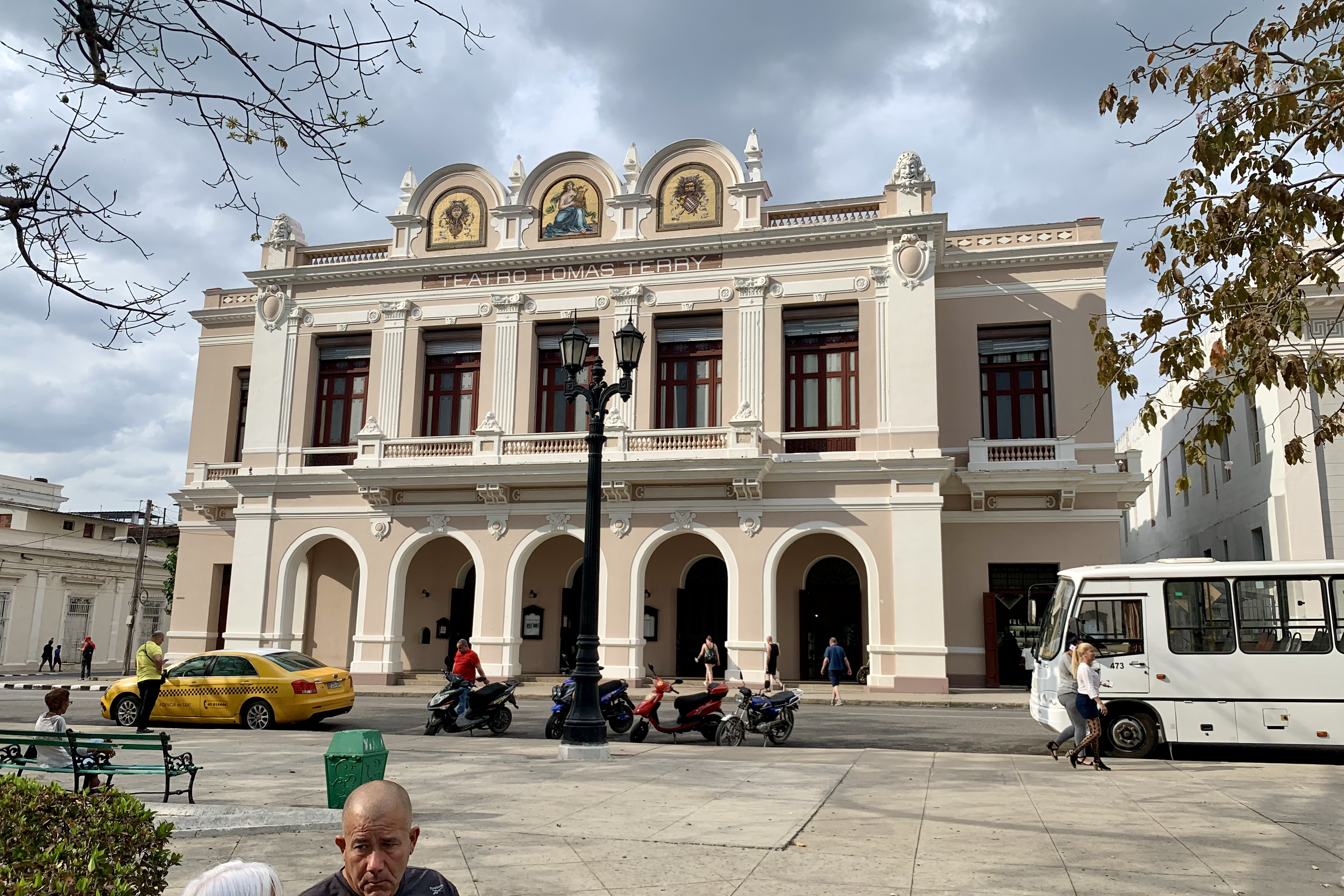
The Tomas Terry Theater built as a thank-you to the people of Cienfuegos for making him a rich man, again in the sugar industry.

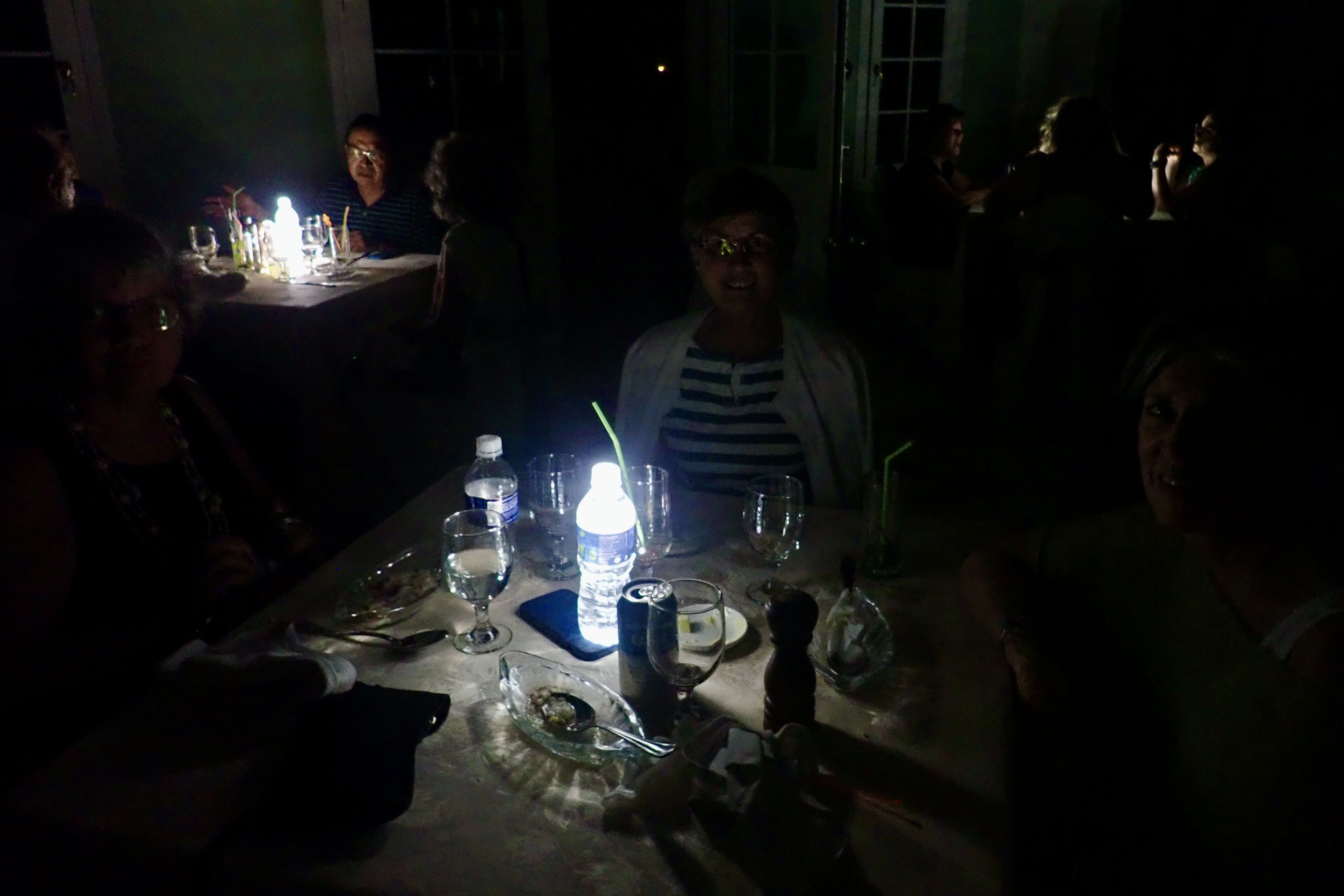
We went to dinner at Cafe Cienfuegos and had another very authentic Cuban experience – no electricity. Totally dark and no candles. The wait staff showed us how to get a bit of light – set a bottle of water on top of a cell phone with the flashlight turned on.

Cuba – day 6

We boarded the bus and drove to Sancti Spiritus

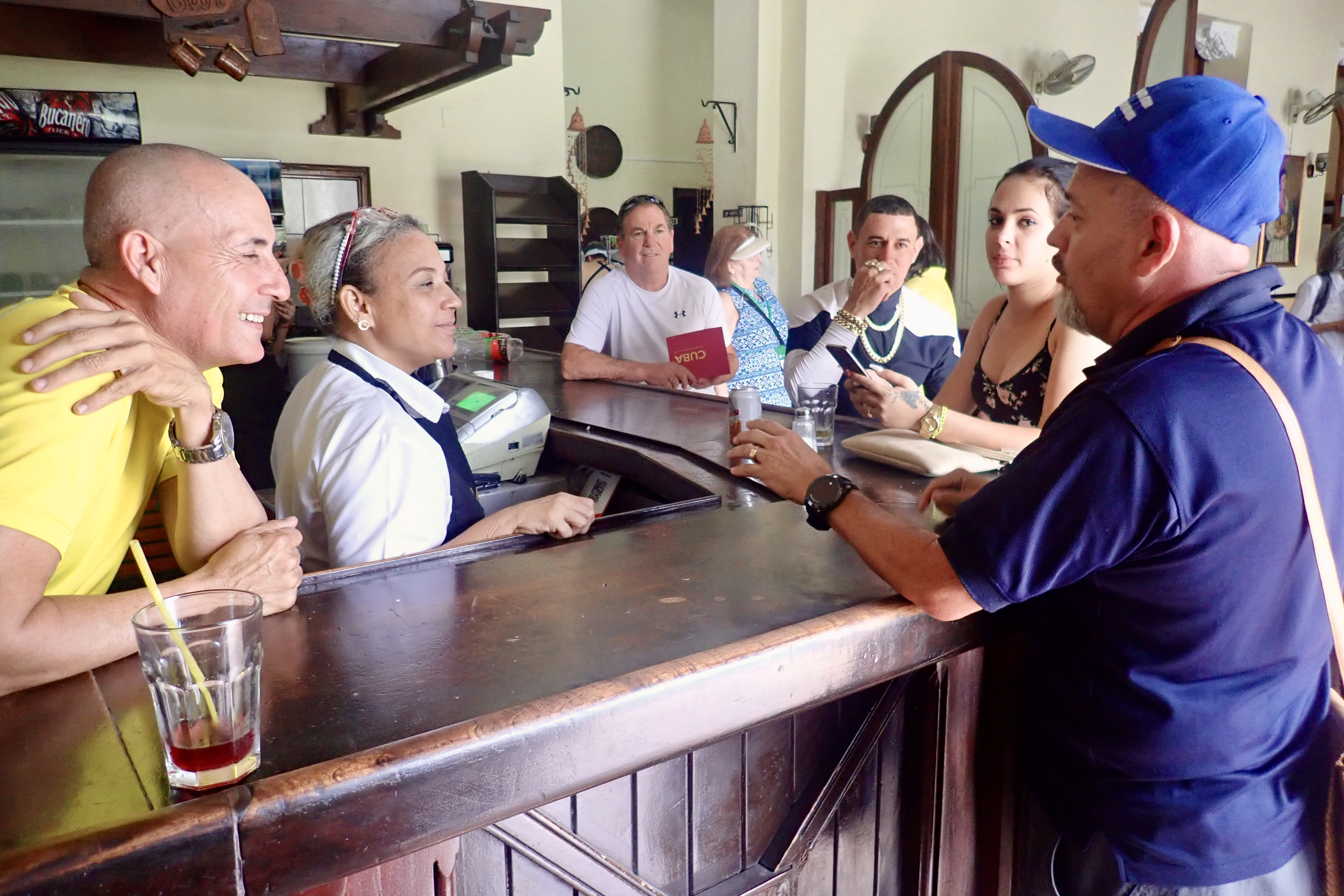
where we began with a before-lunch sangria. Porfirio – tour director, far right – loves to sing. He sang a song to the staff to celebrate International Women’s Day. 

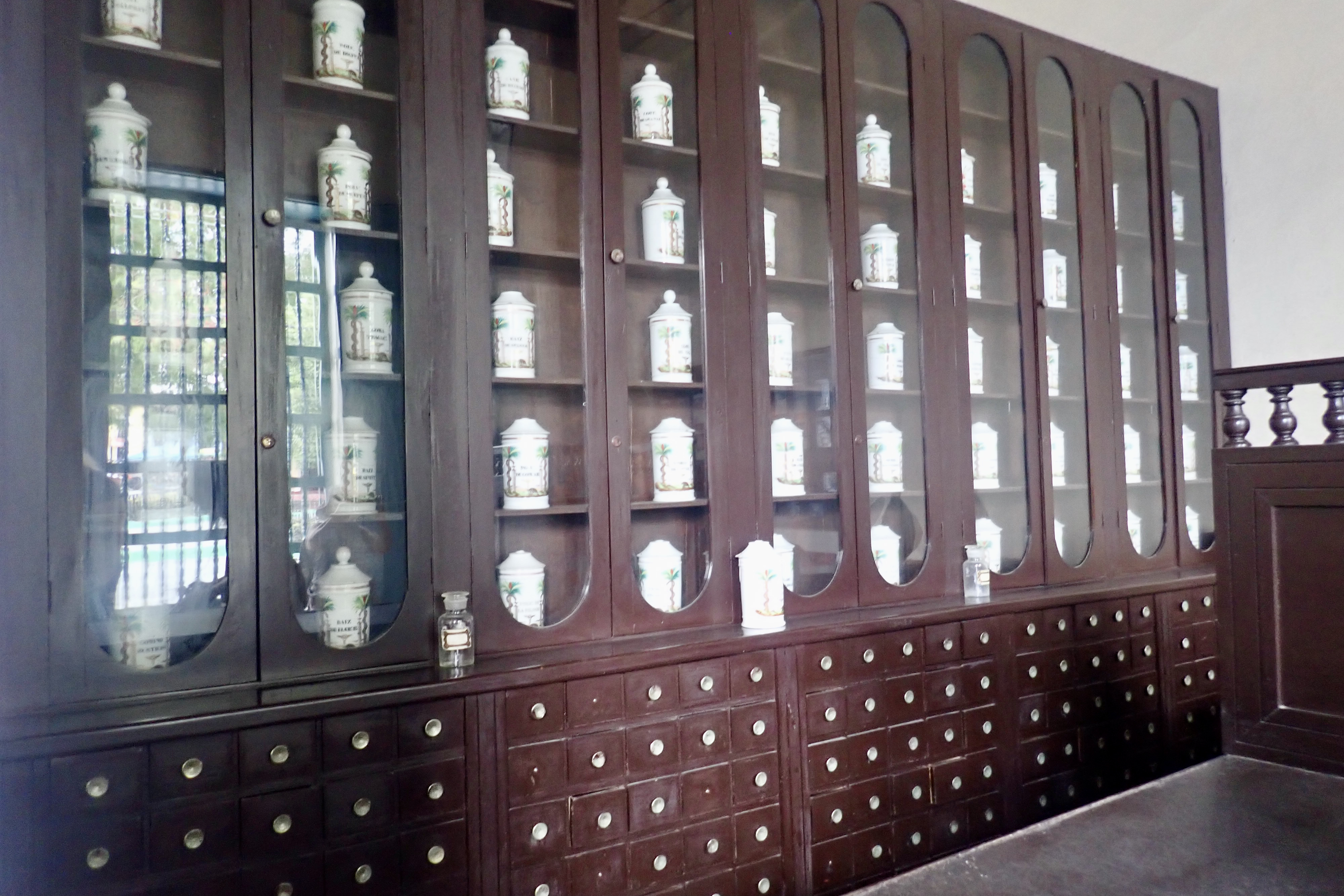
A brief stop at a “green pharmacy” – herbal mixtures are sold here.

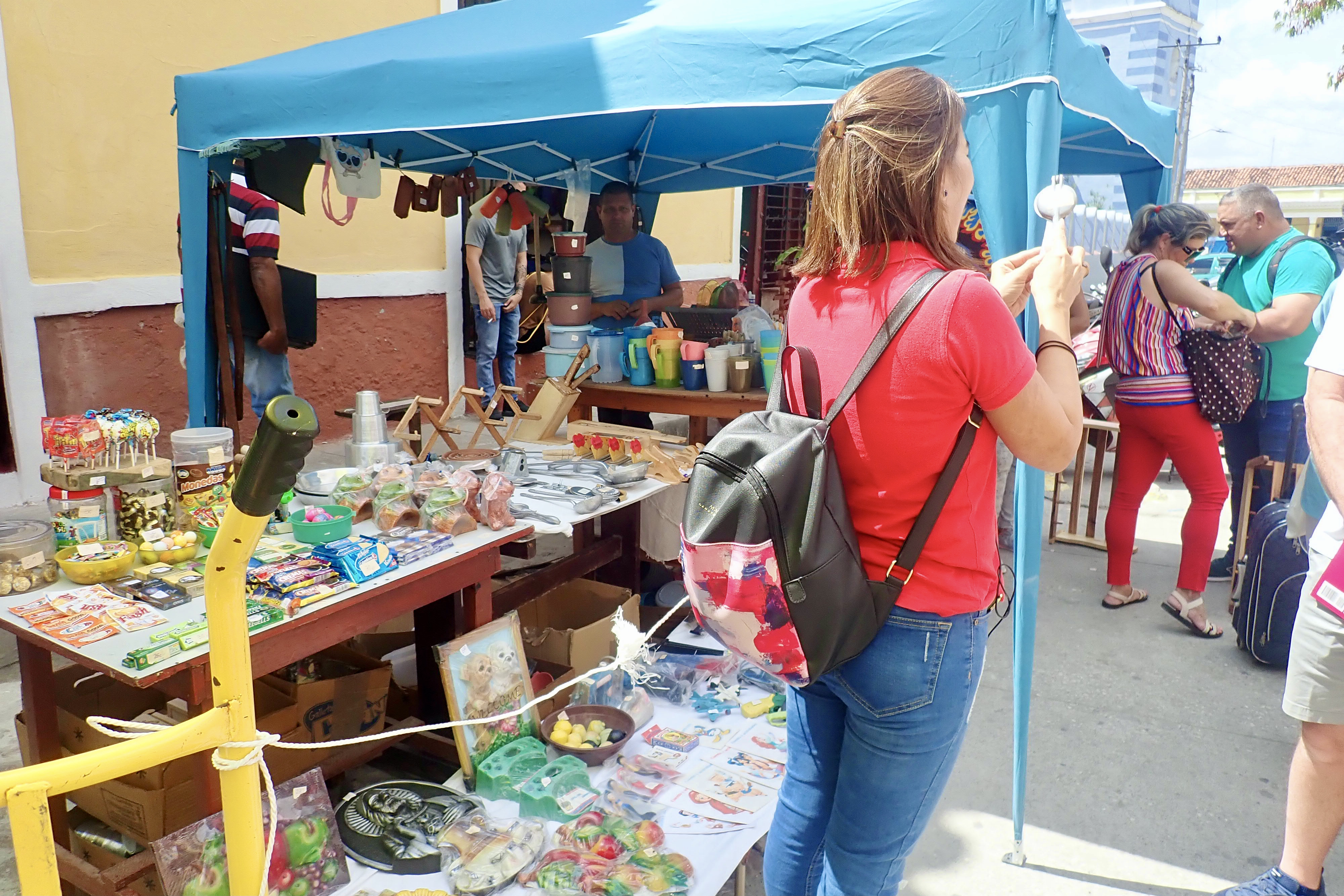
A walk through the mercado. Ray explained what some of the time were, like a little smasher for plantains before cooking.

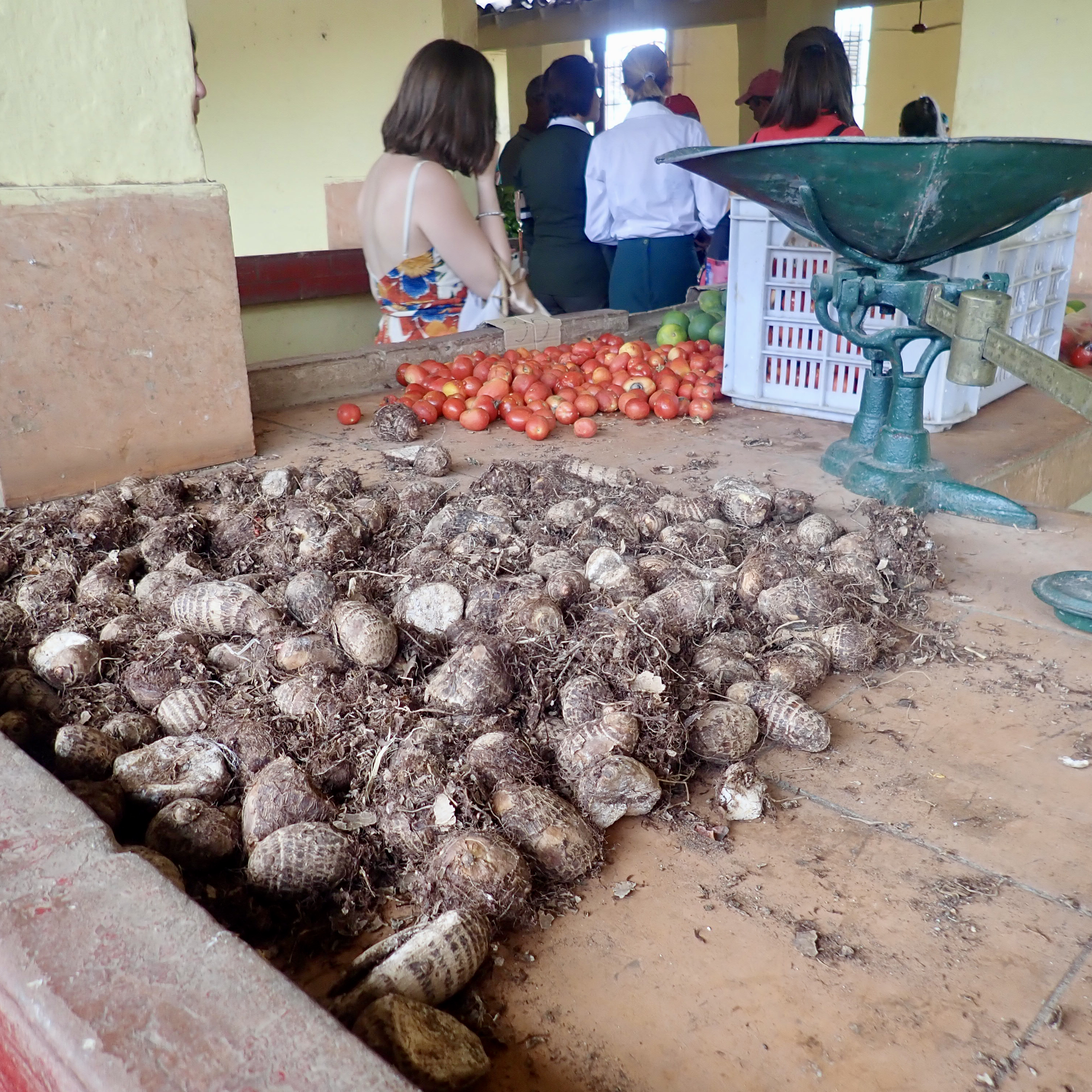
In the front, small yams:

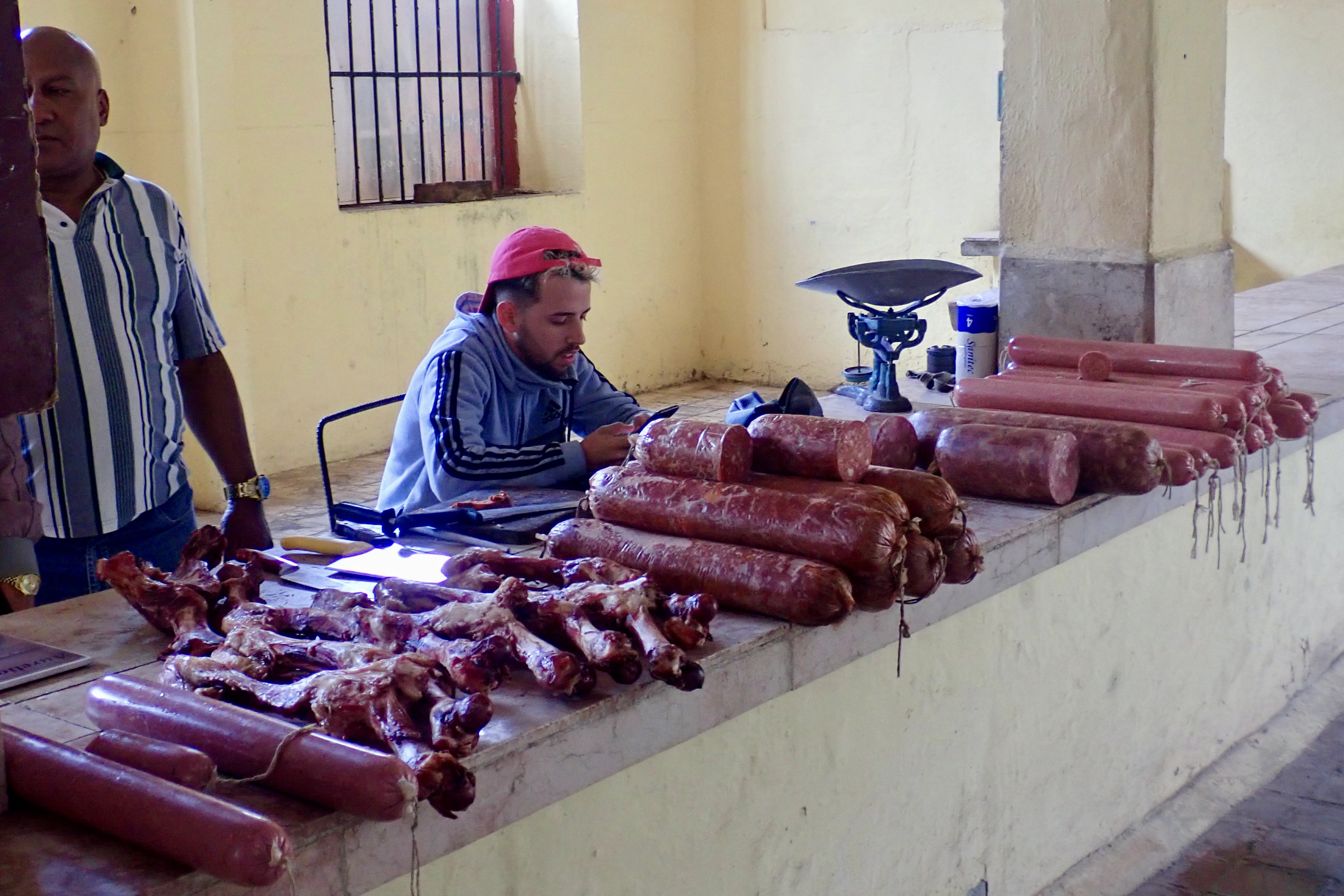
The sausage maker (on the phone) with his variety of sausages.

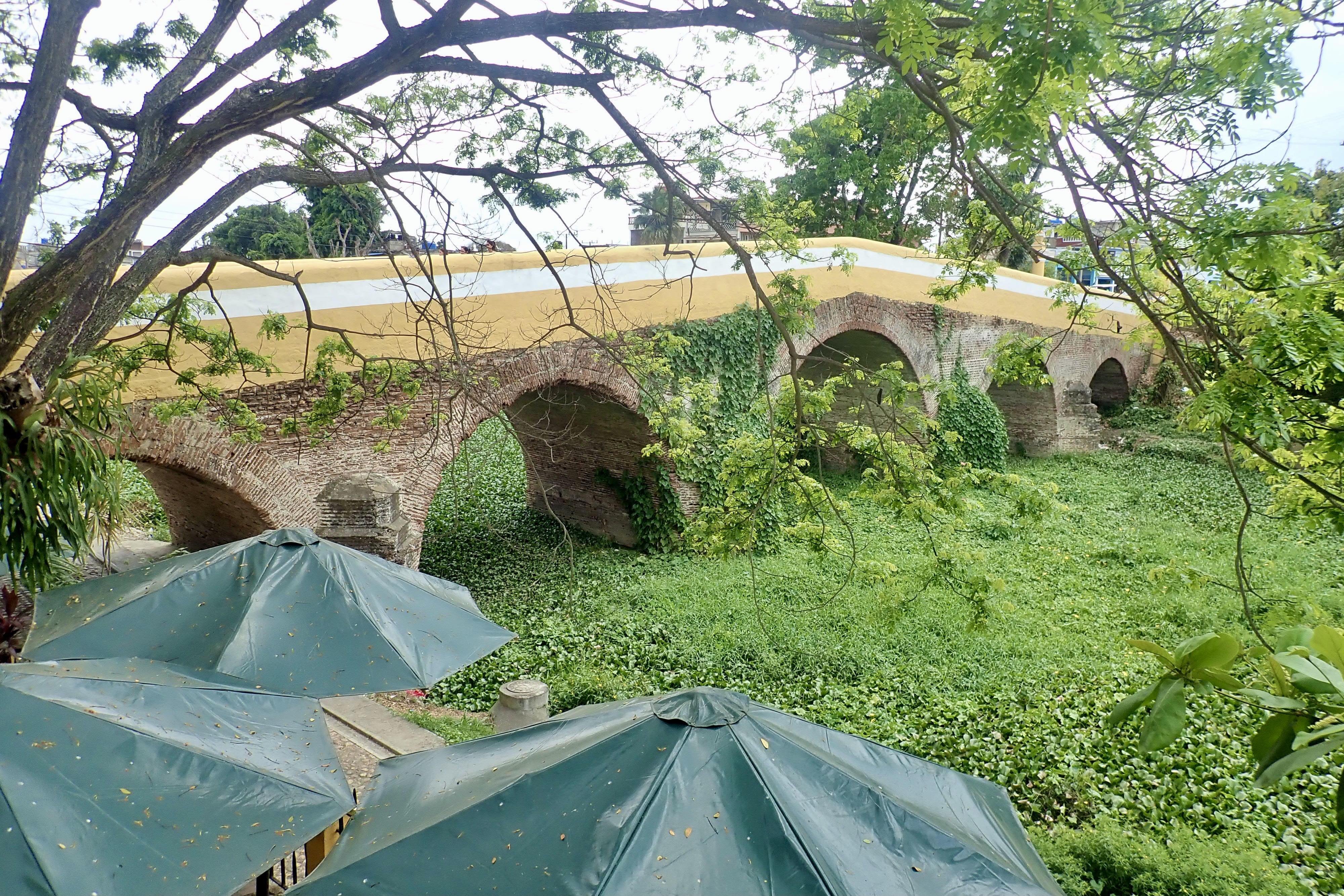
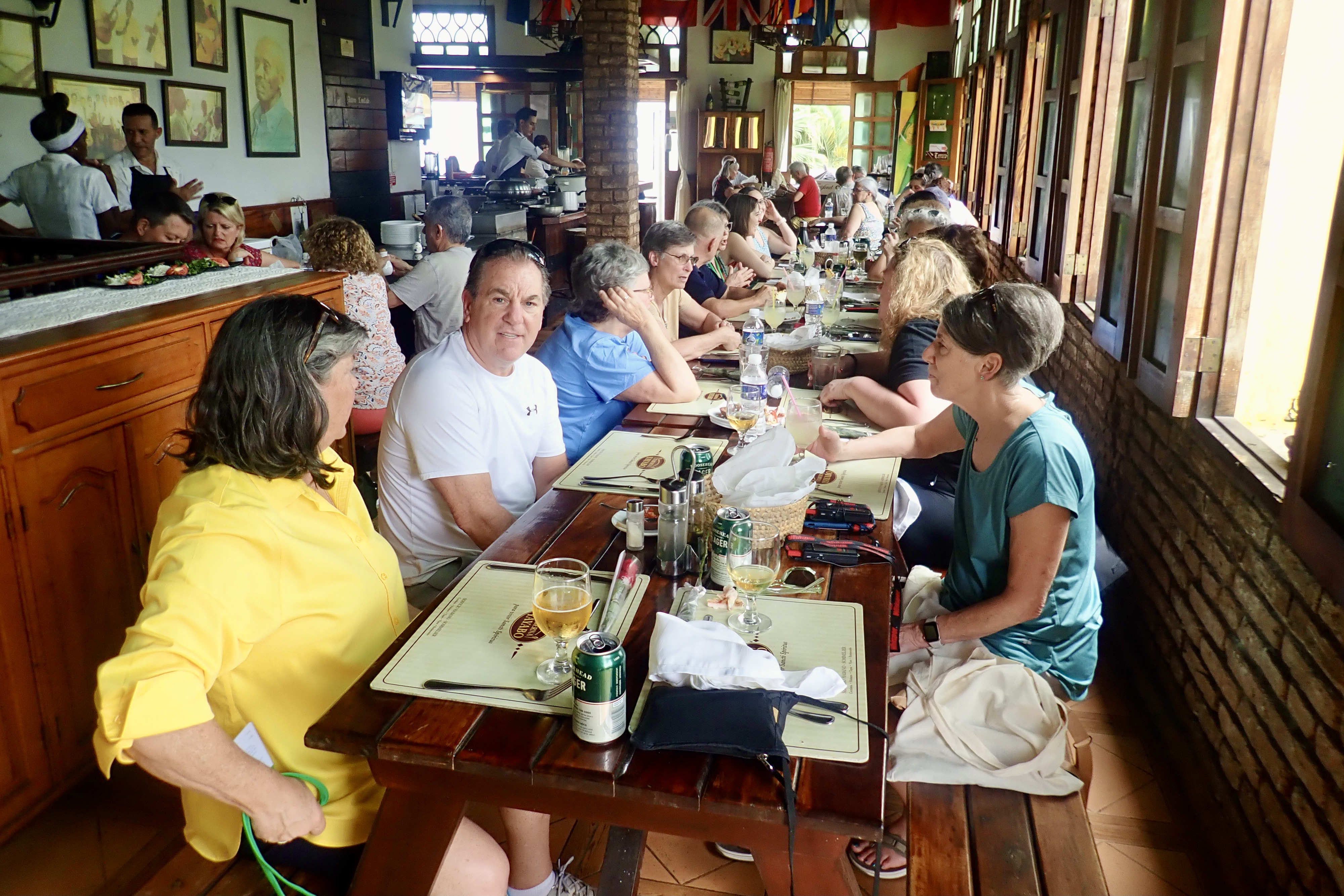
Lunch was at Taberna Yayabo just before you crossed the only brick bridge in Cuba

which crossed Rio Yayabo. You can’t see any water because of the hyacinths.

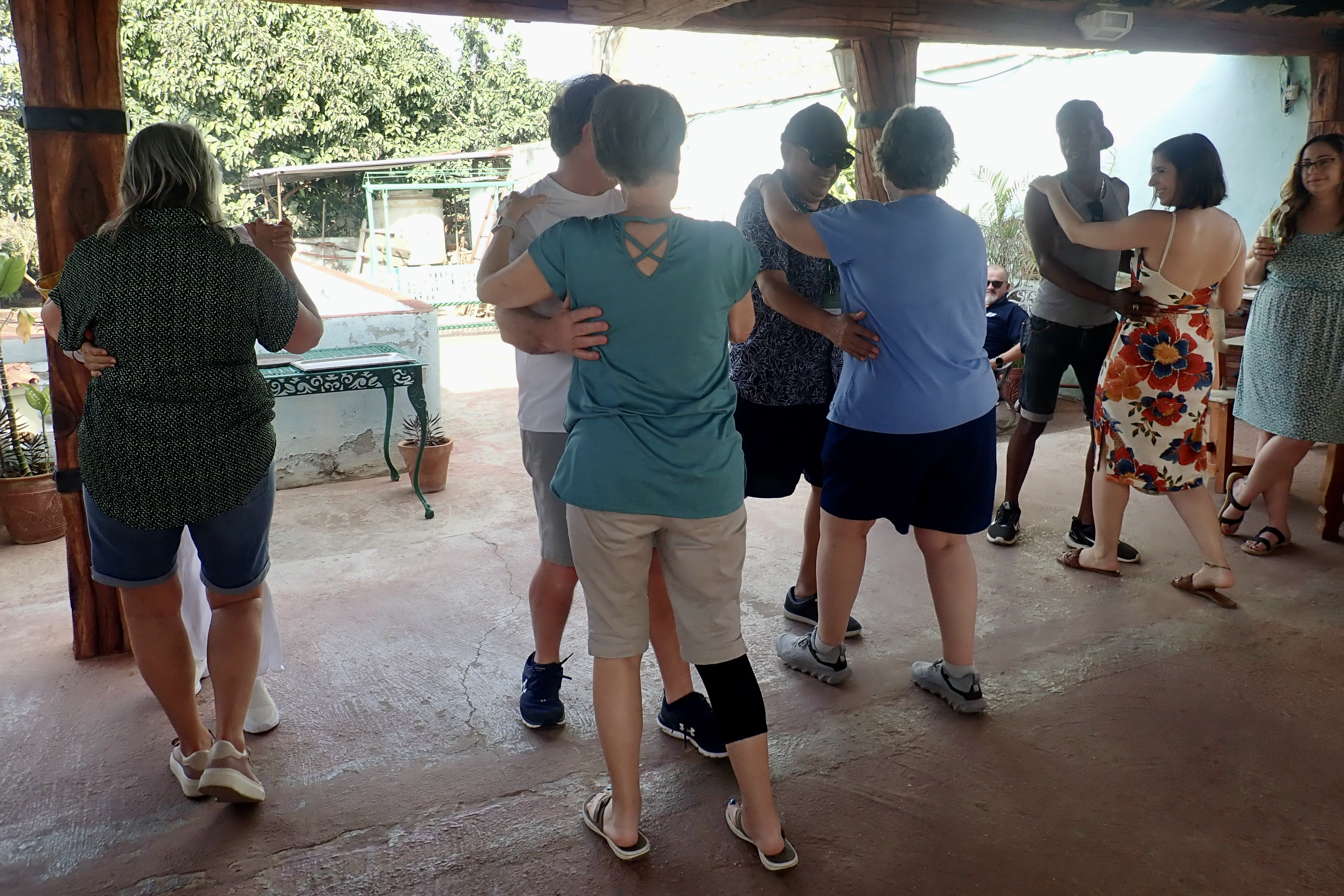
We walked to a nearby home and up to the rooftop where we had a salsa dance lesson.

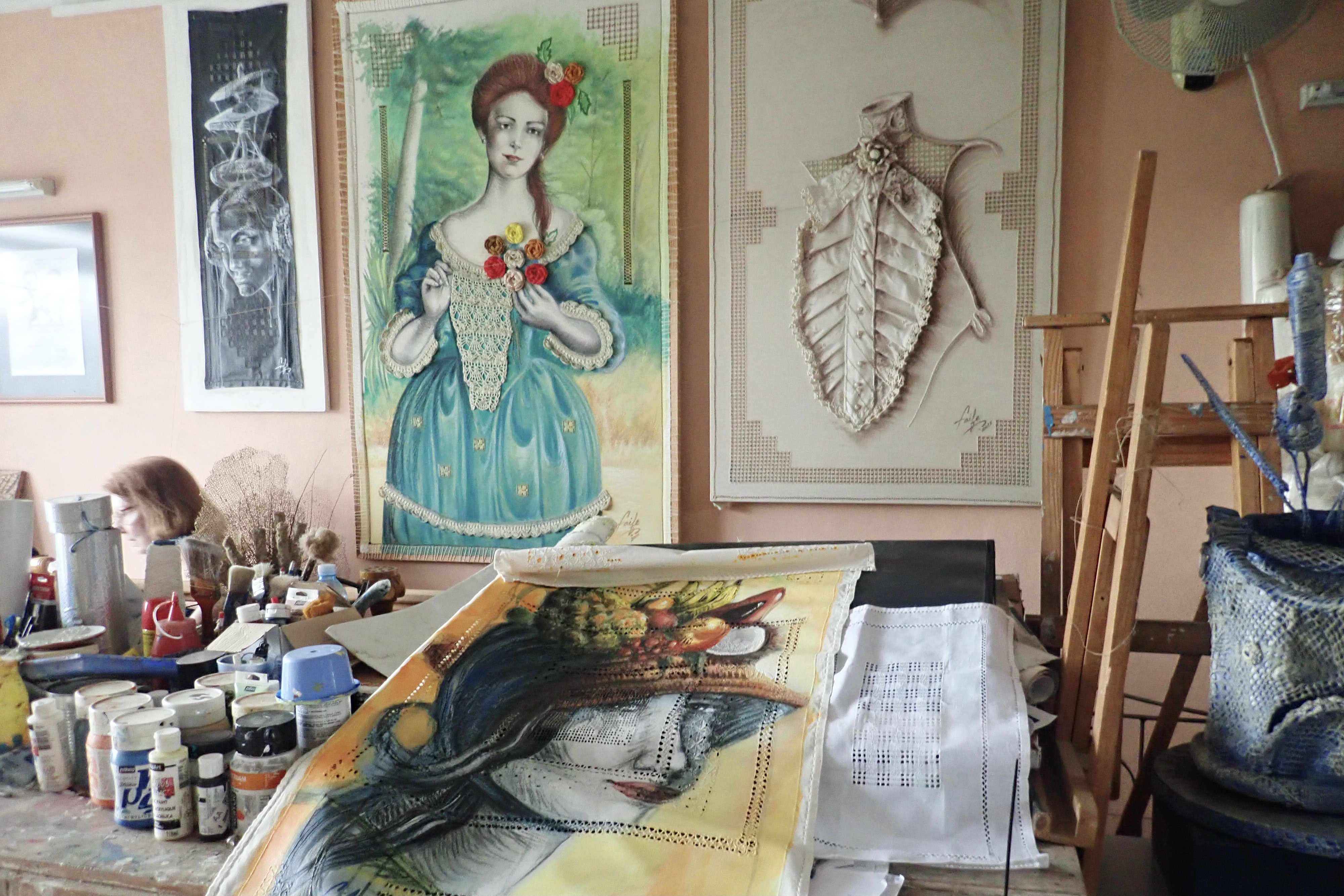
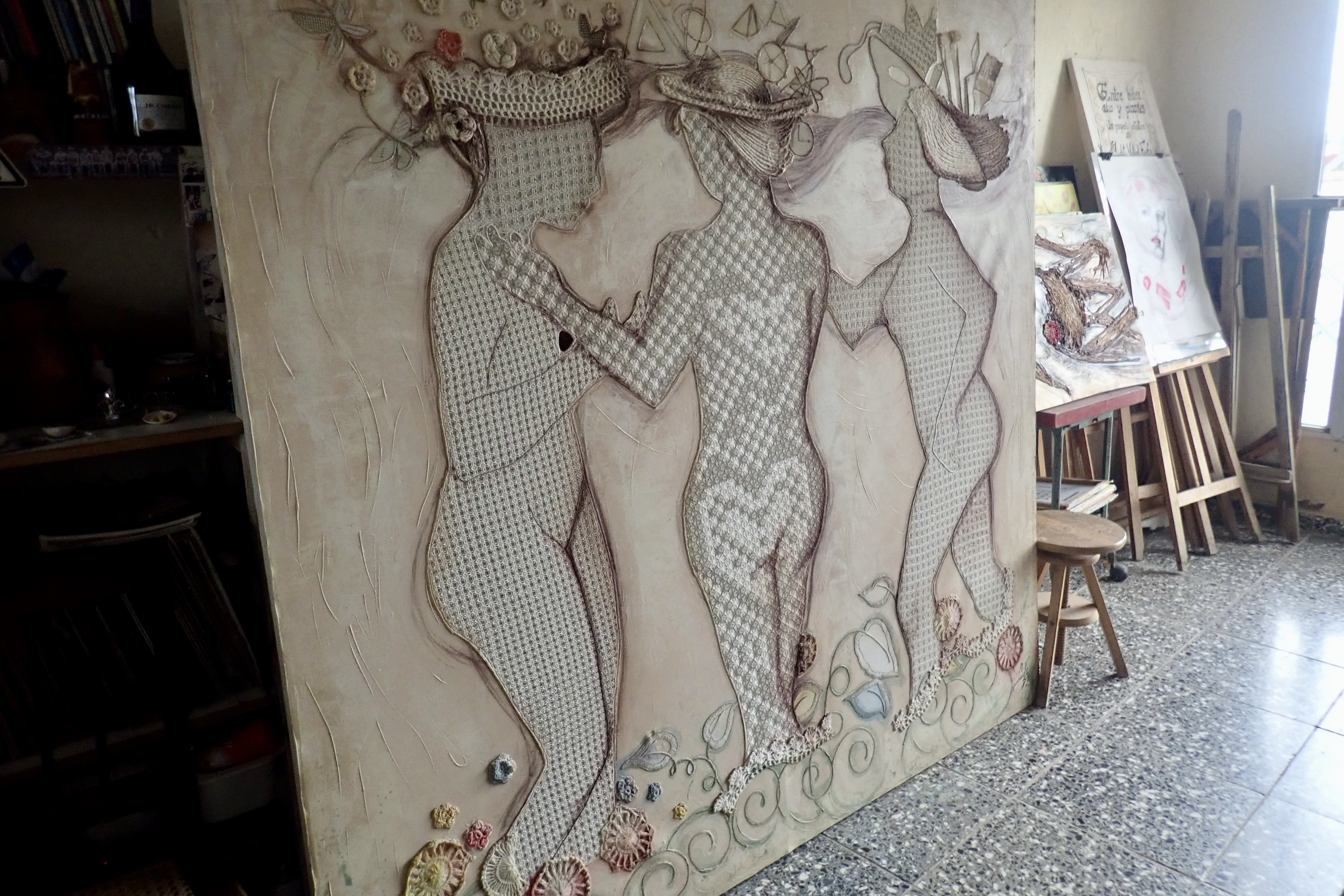
We visited the studio and home of Yudit, an internationally known artist.

This piece is paint but also embroidery (through the painter’s canvas!) with a rather intricate pattern over a large area.

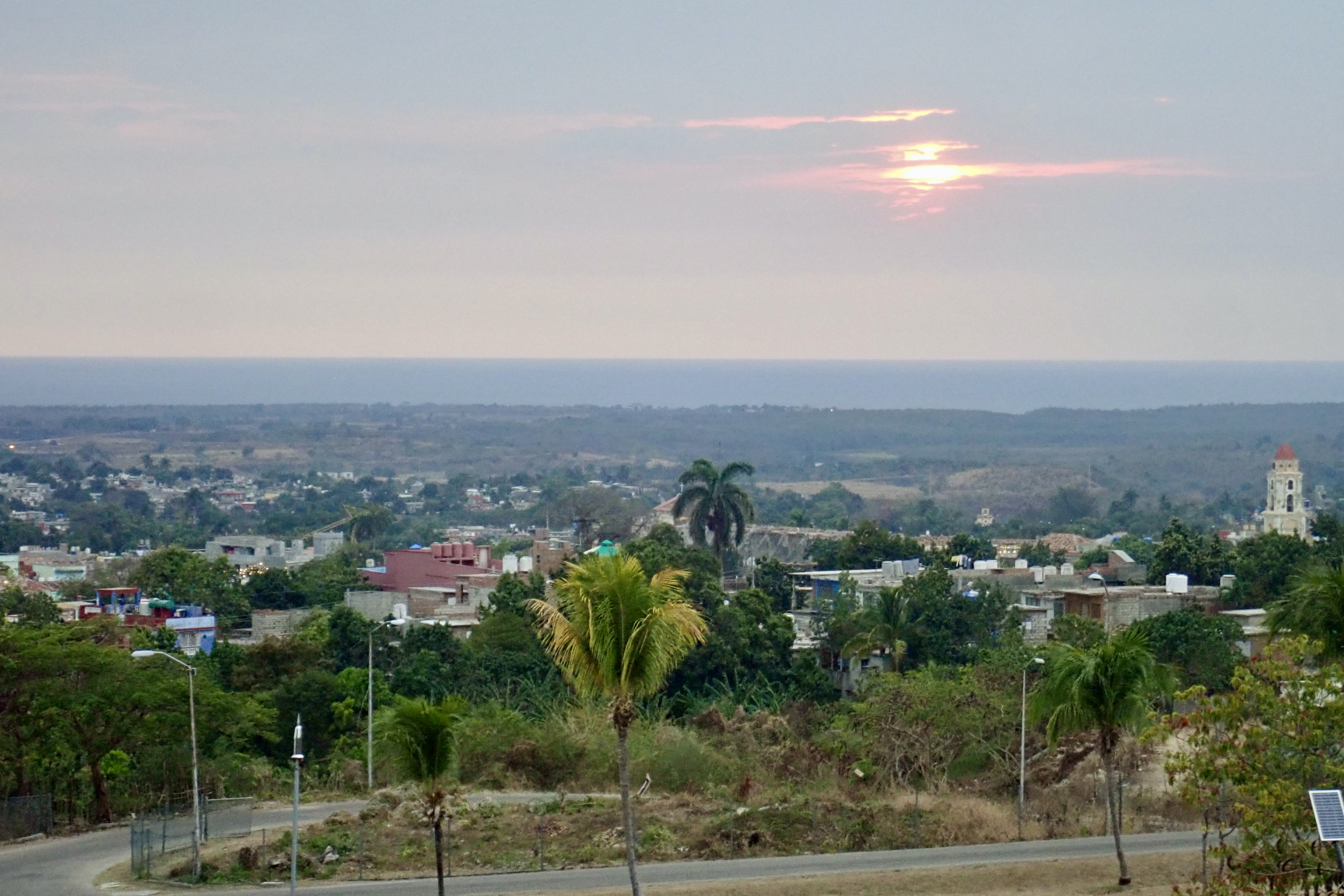
Our hotel tonight is Las Cuevas. We arrived at sunset, not so good this day due to the clouds.

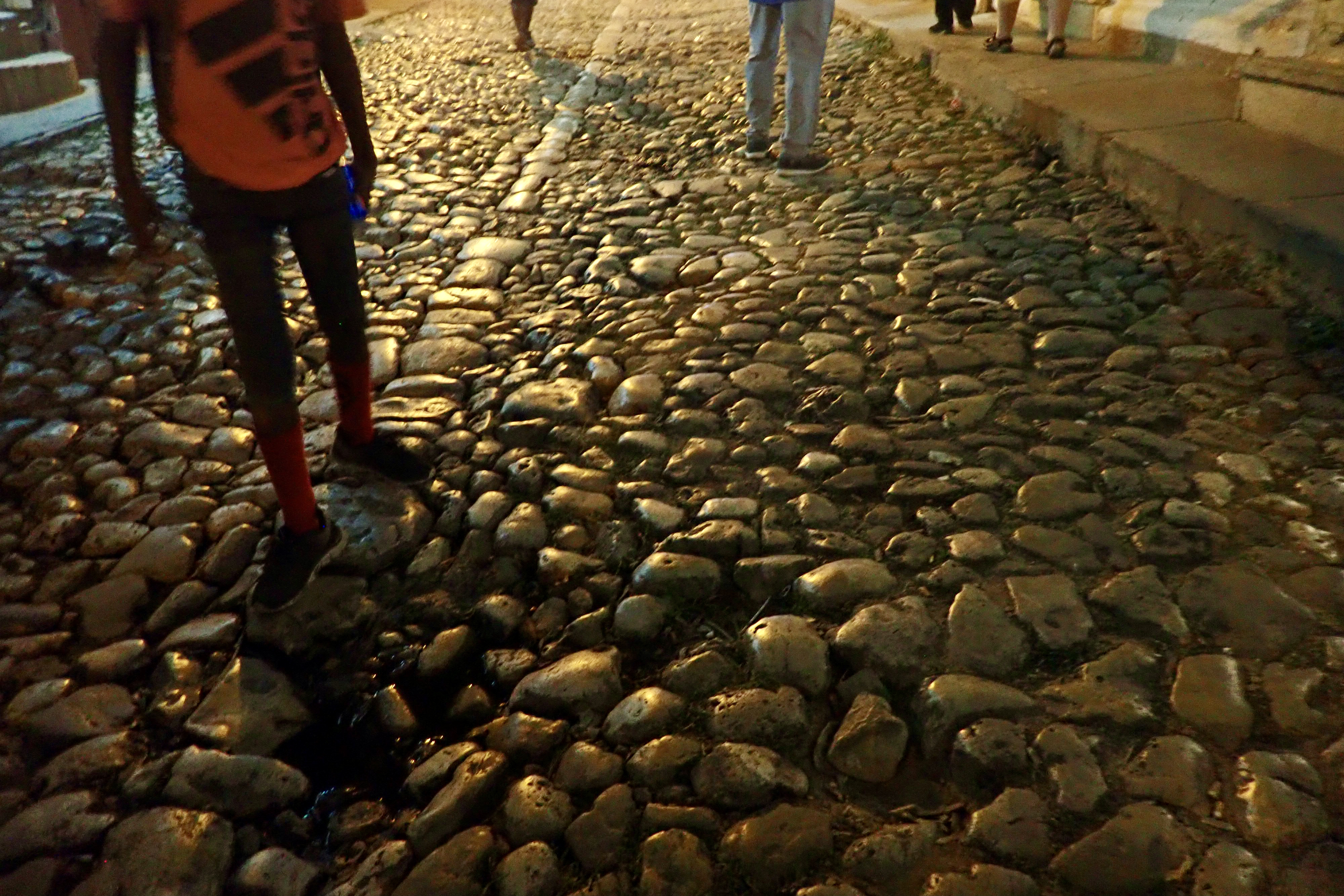
For dinner, the bus got us as close as possible to the restaurant but we still had to walk 5 blocks over treacherous cobbles.

Dinner at Los Conspiradores.

After dinner, just 4 of our group of 18 went to a local club for salsa dancing. Not me, though, too tired.

Cuba – day 5

Another very busy day.

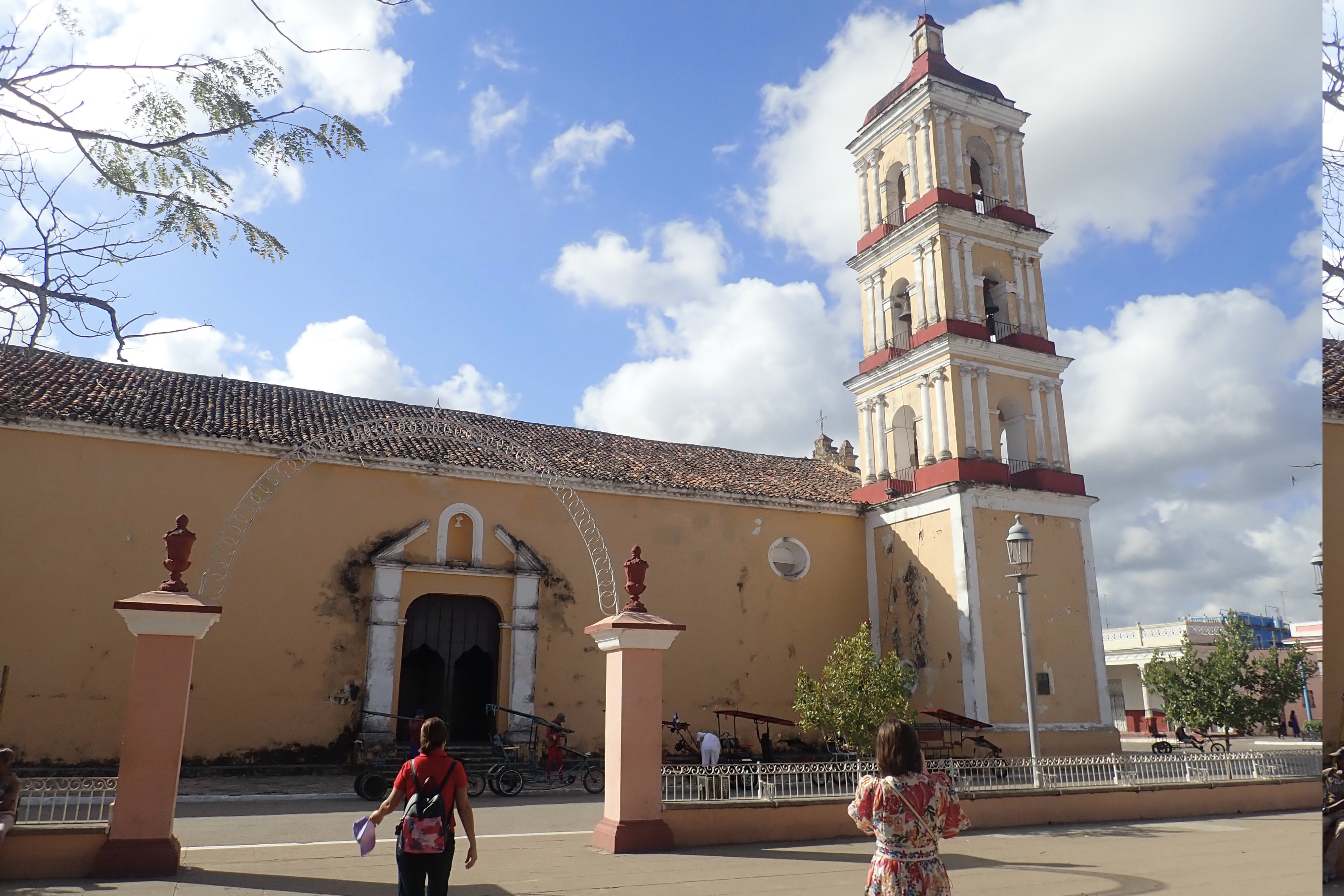
Remedios is the only city in Cuba to have two churches in the plaza. They alternate services weekly. We visited St John the Evangelist.

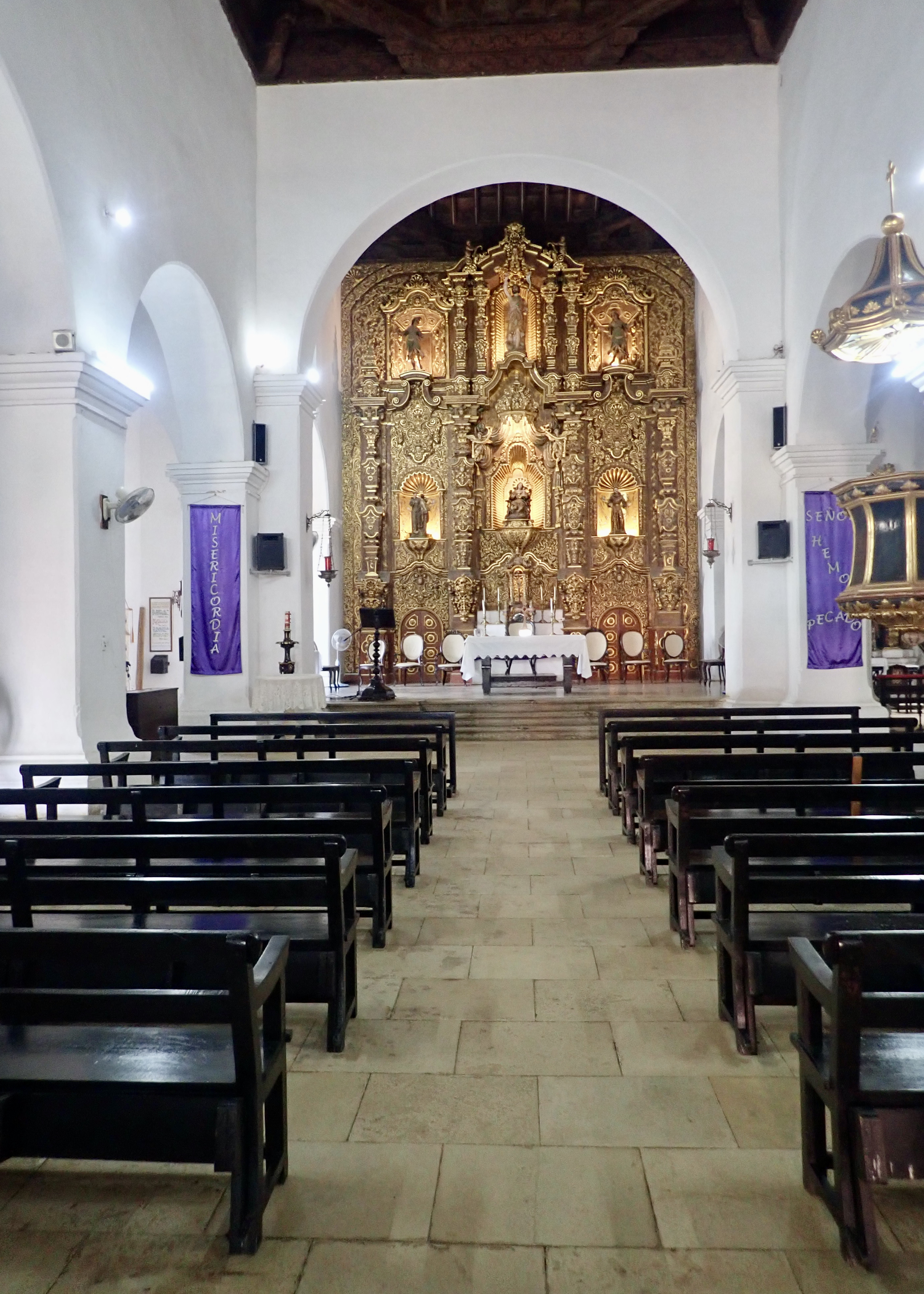
The altar is 22-carat gold over cedar carvings.

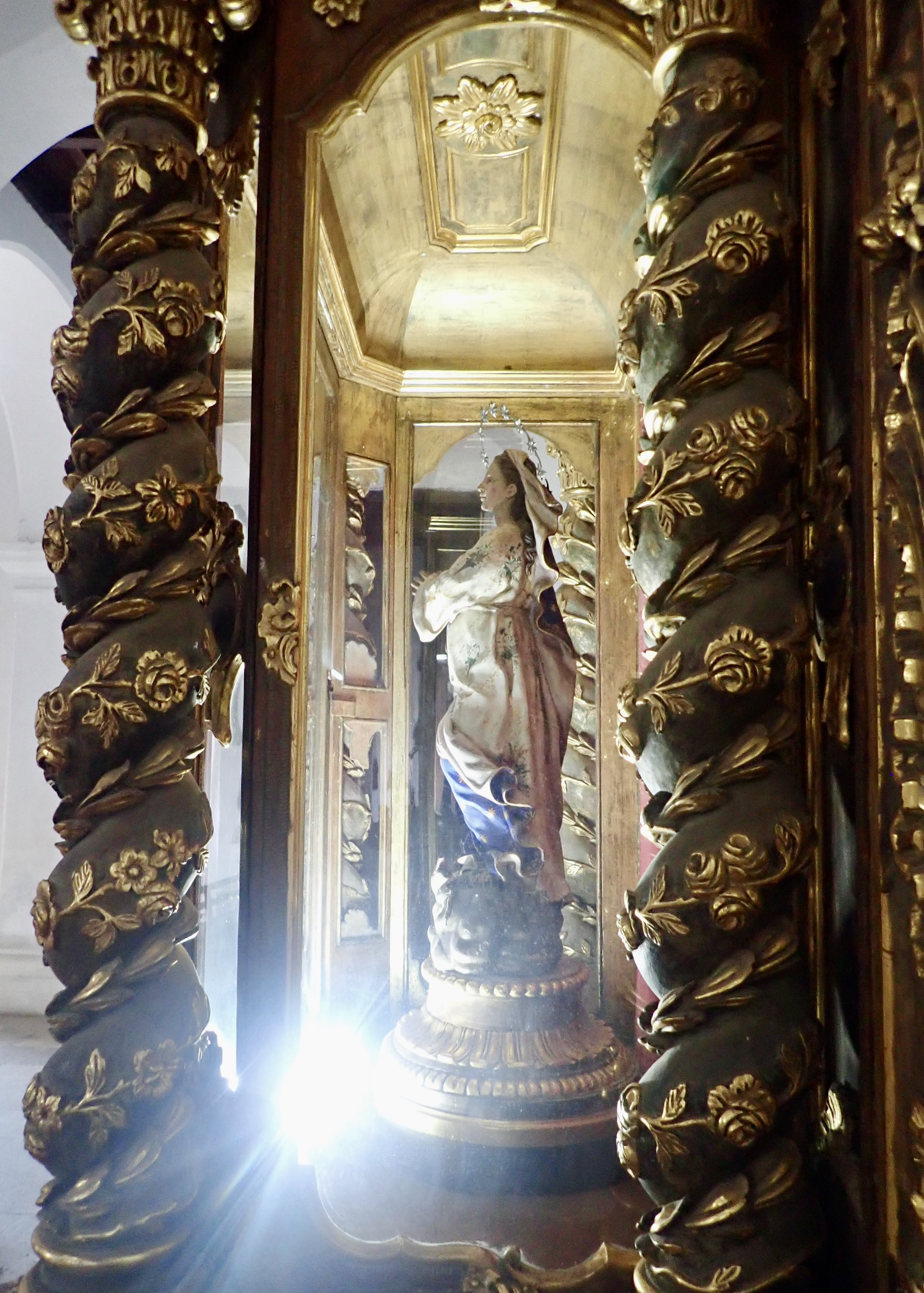
A side altar with a rare image of a pregnant Mary.

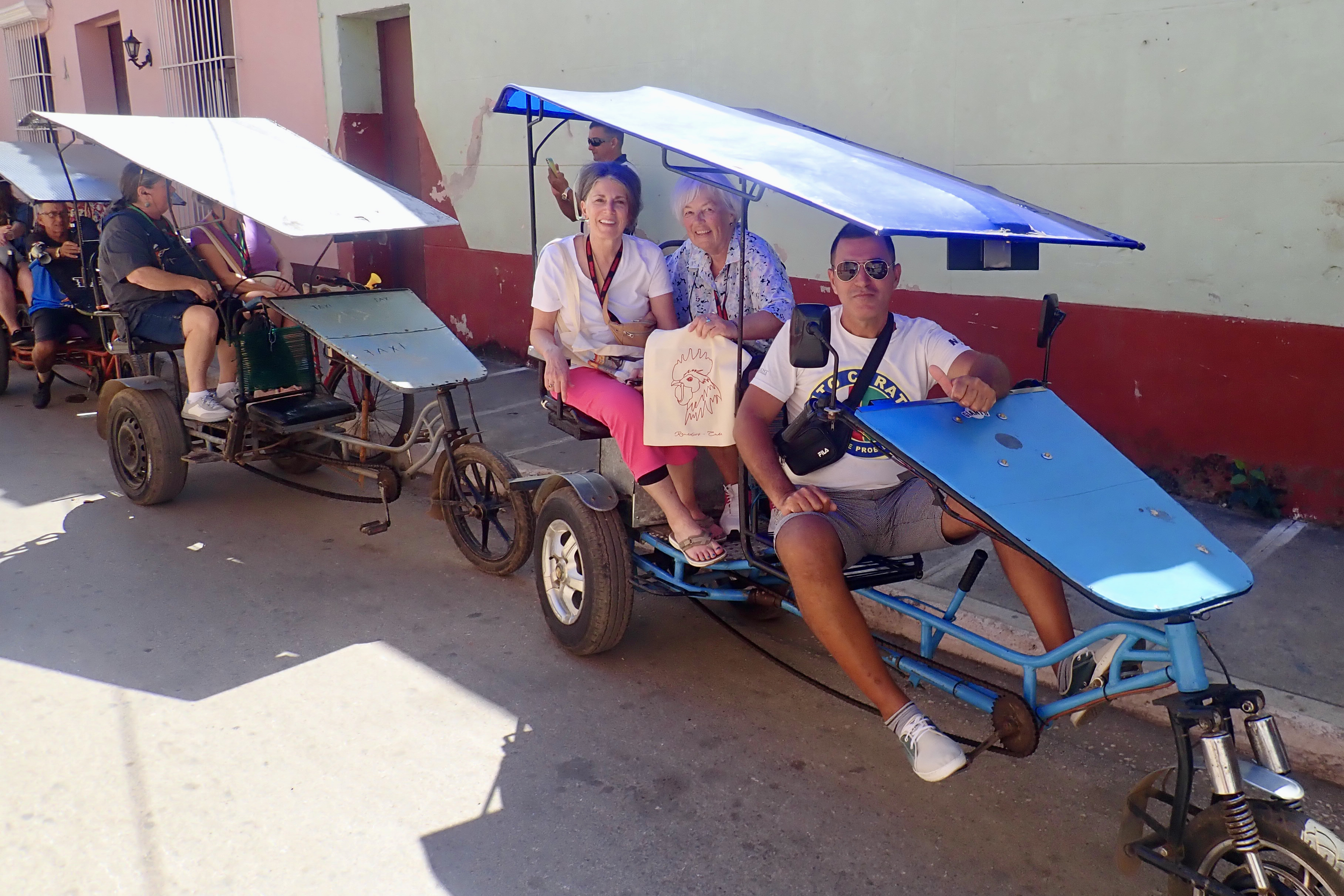
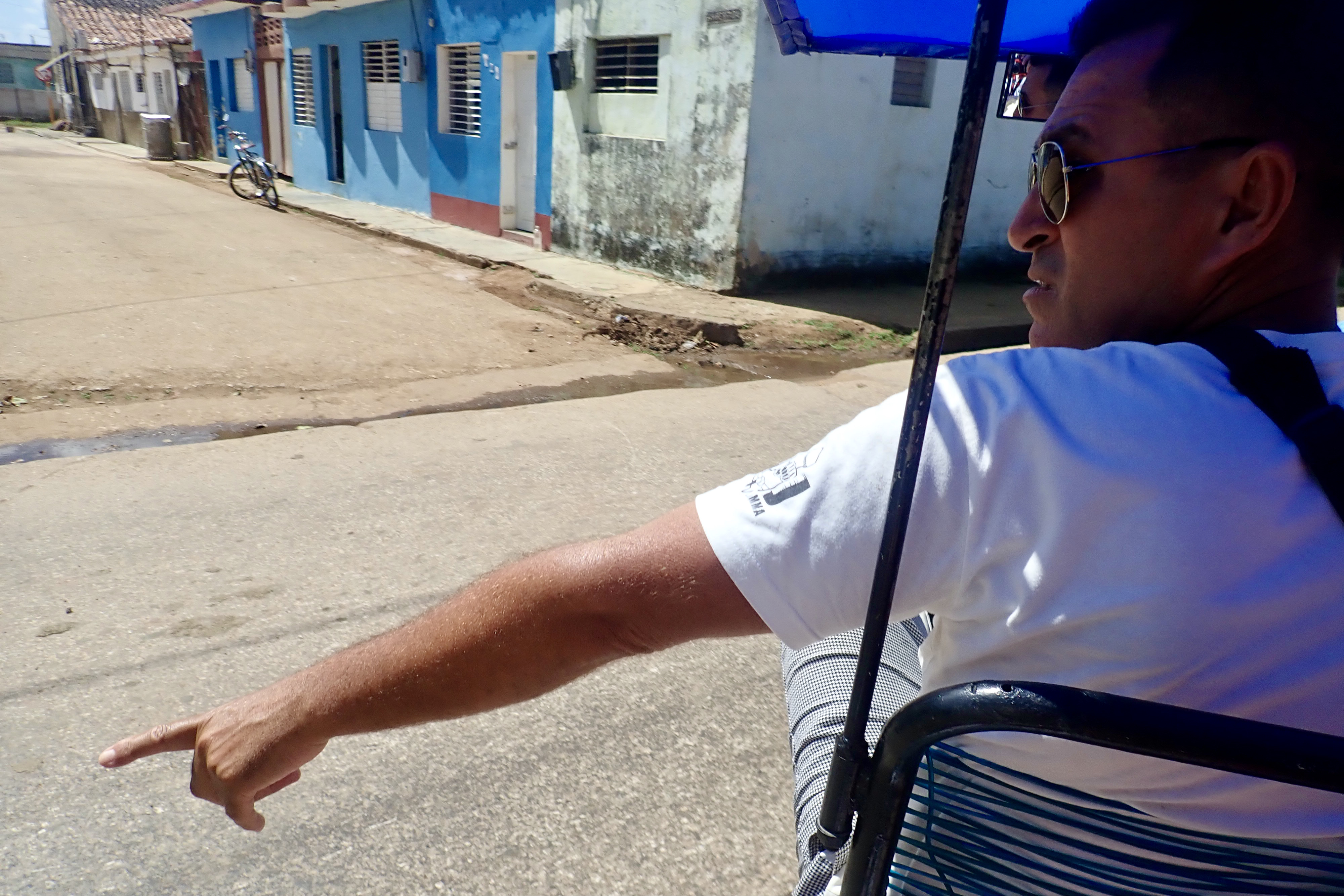
To get to the next destination, we all boarded bicitaxis. Our driver was Manolo.

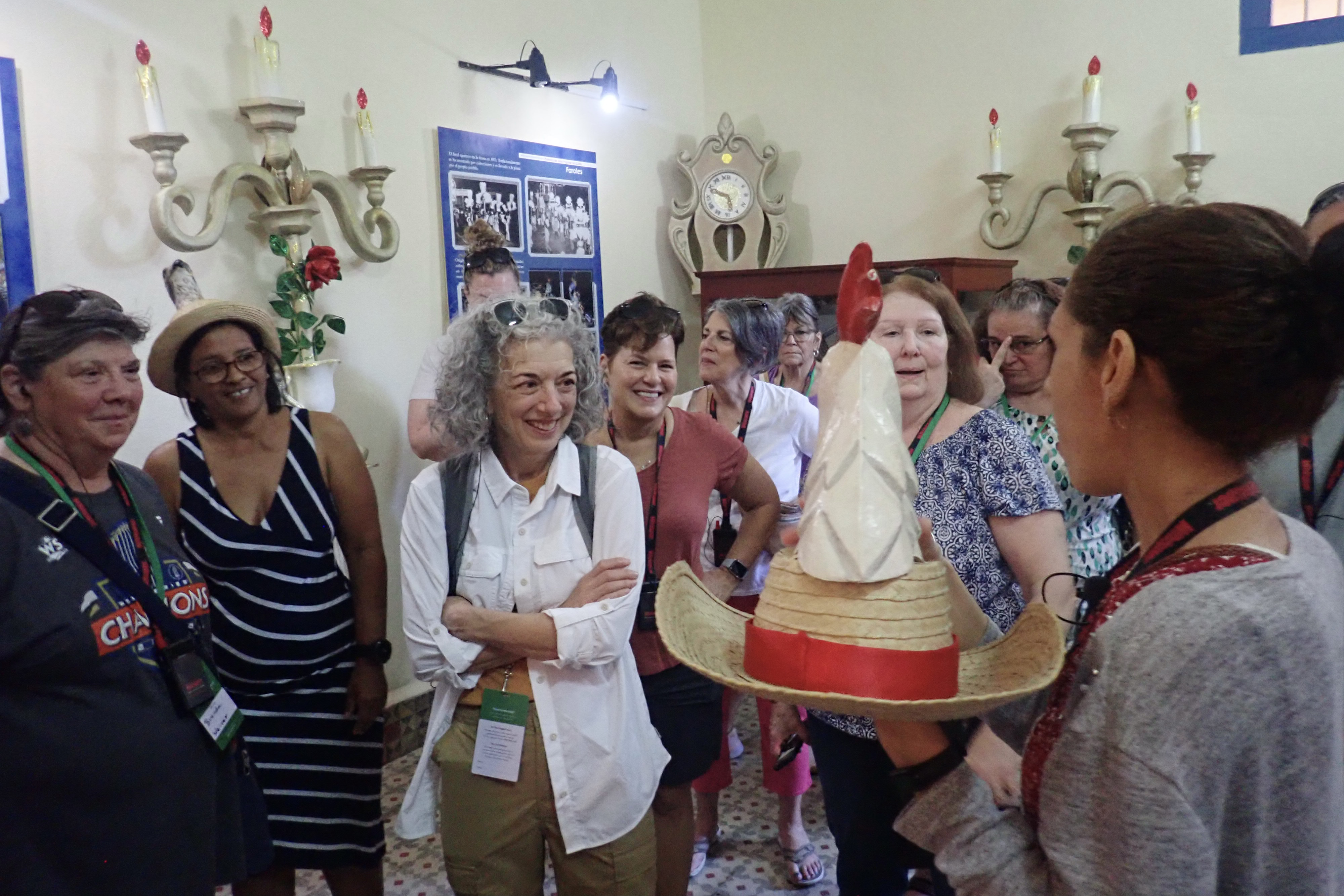
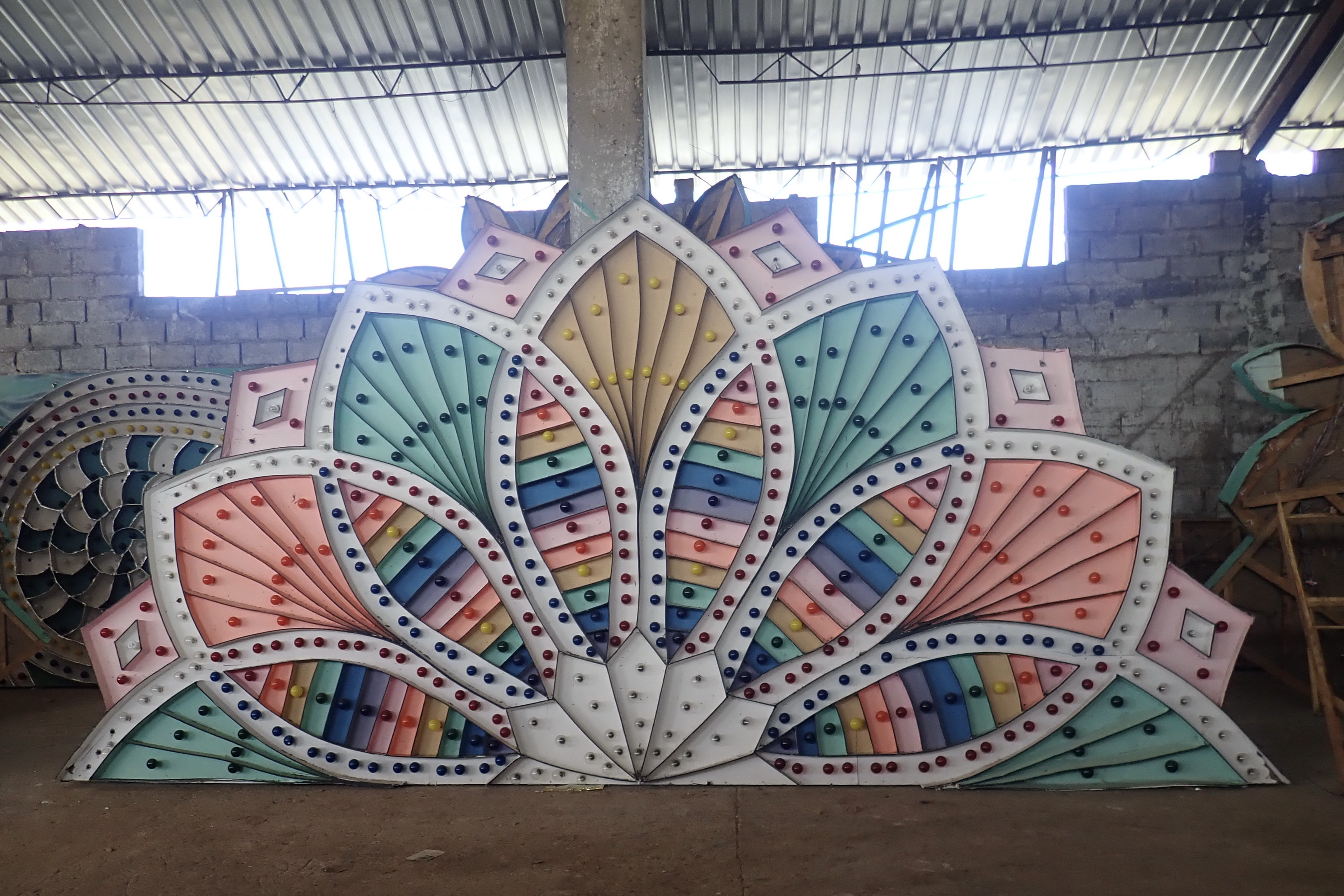
At a local museum, we learned about Remedios’ tradition of Parrandas which lasts 7 days from December 24-31. There is an imaginary line through the center of the plaza and down one of the streets that divides Remedios into two neighborhoods: San Salvador (rooster) and Del Carmen (hawk). In church people sit on one side of the aisle or the other depending on the neighborhood they live in. There is even a joke (I think) that you only marry someone from your neighborhood. For Parrandas, each neighborhood creates floats, costumes, and fireworks. There is a friendly competition to see whose is best. There is no winner, just the enjoyment of competition and bantering back and forth.

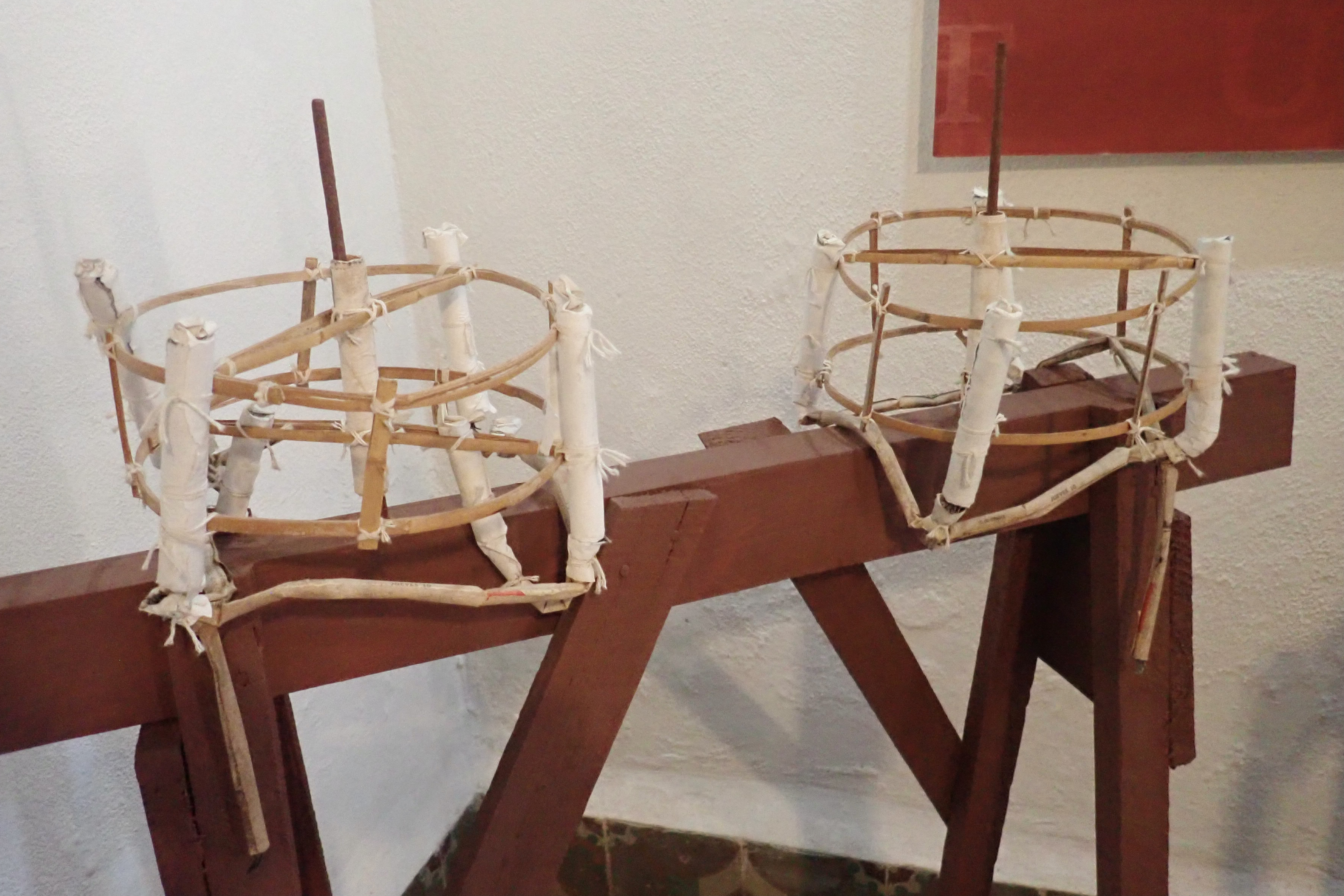
Handmade fireworks. This type spins.

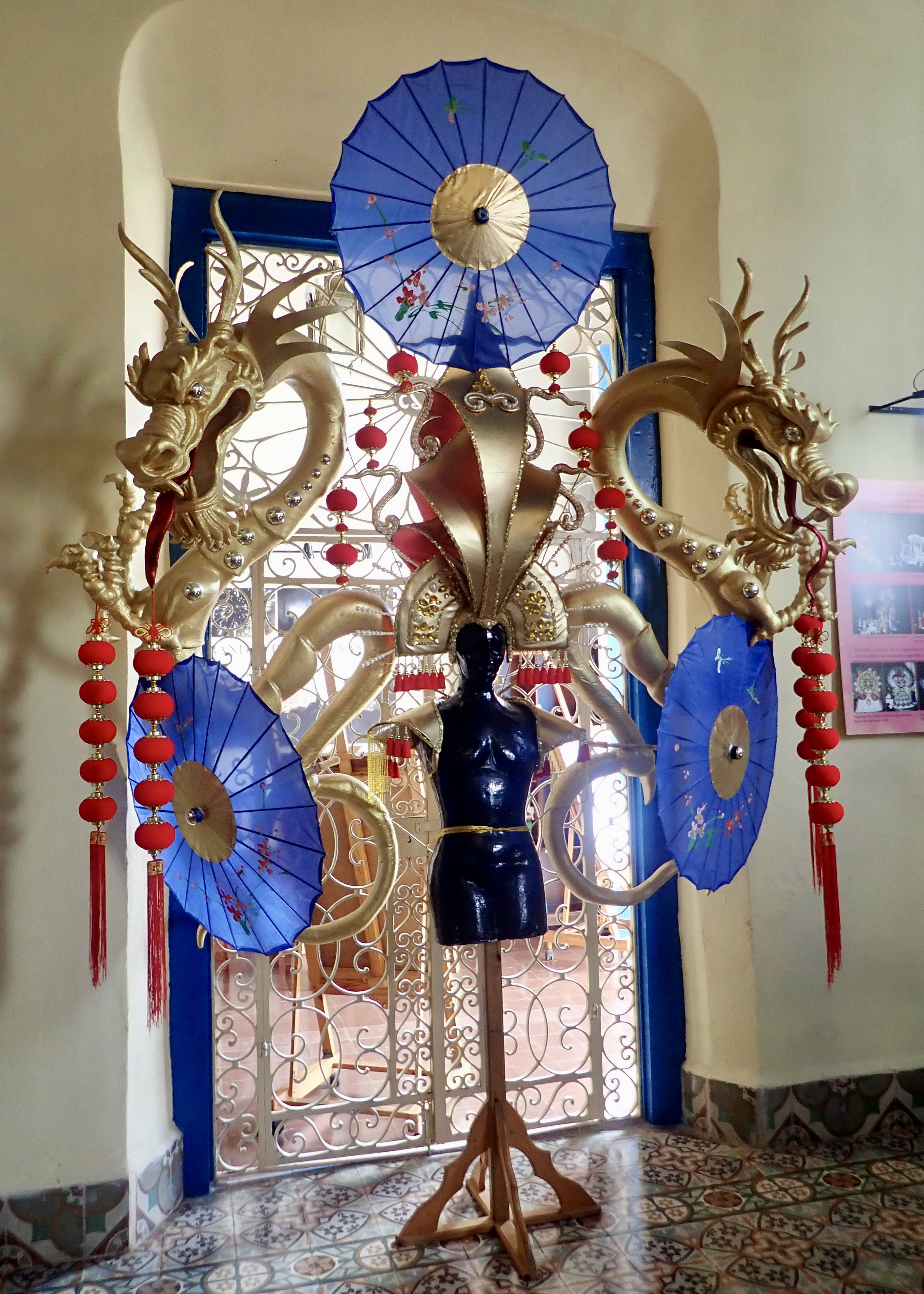
The costumes are quite elaborate.

This is only a headpiece, 3 meters wide, 3 meters tall.

The preparations for Parrandas begin immediately in the new year. Designs are created and the building begins in a secret location in each neighborhood. We visited the Del Carmen location. 

Great left turn signal, Manolo.

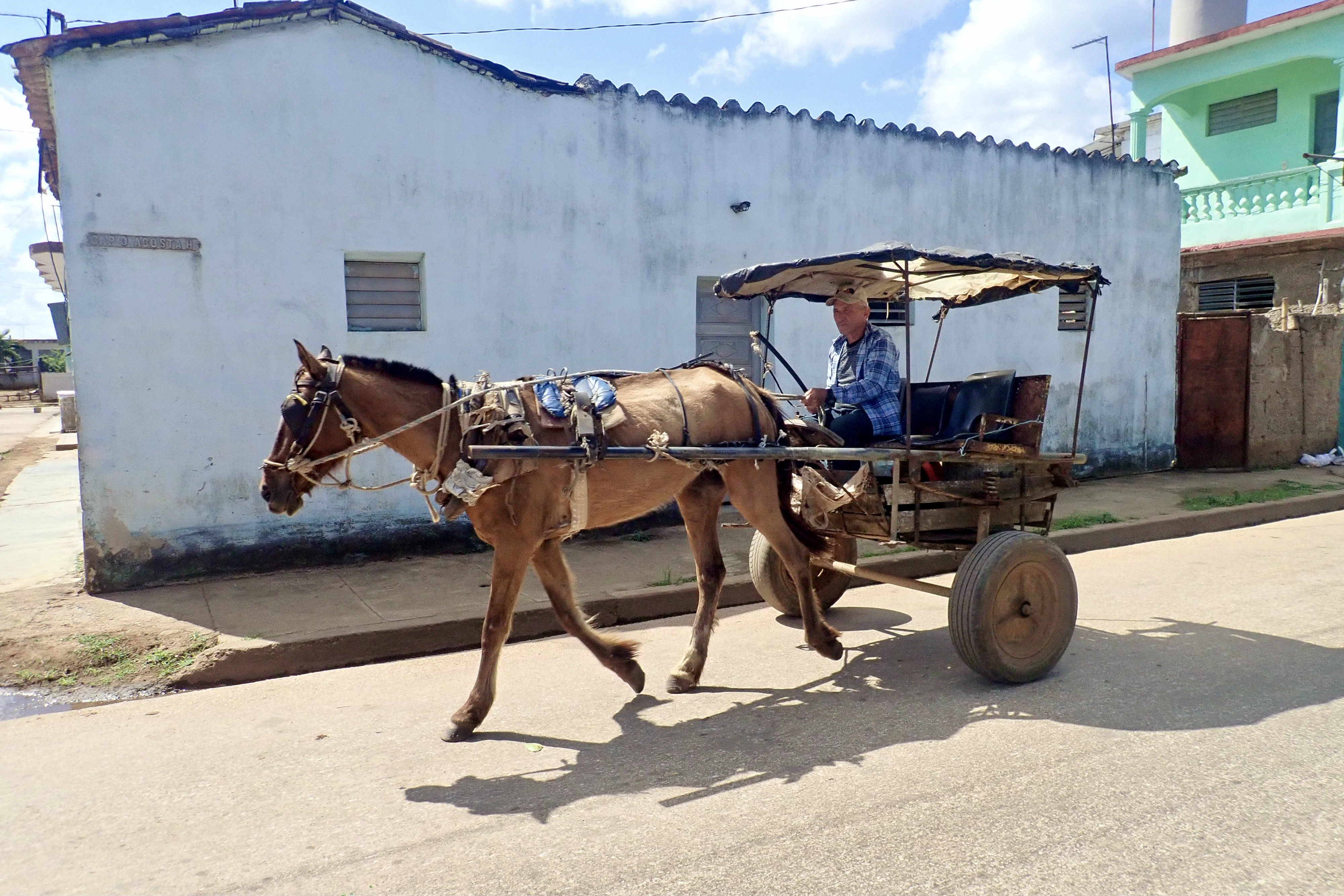
Horse-drawn carts are a common sight.

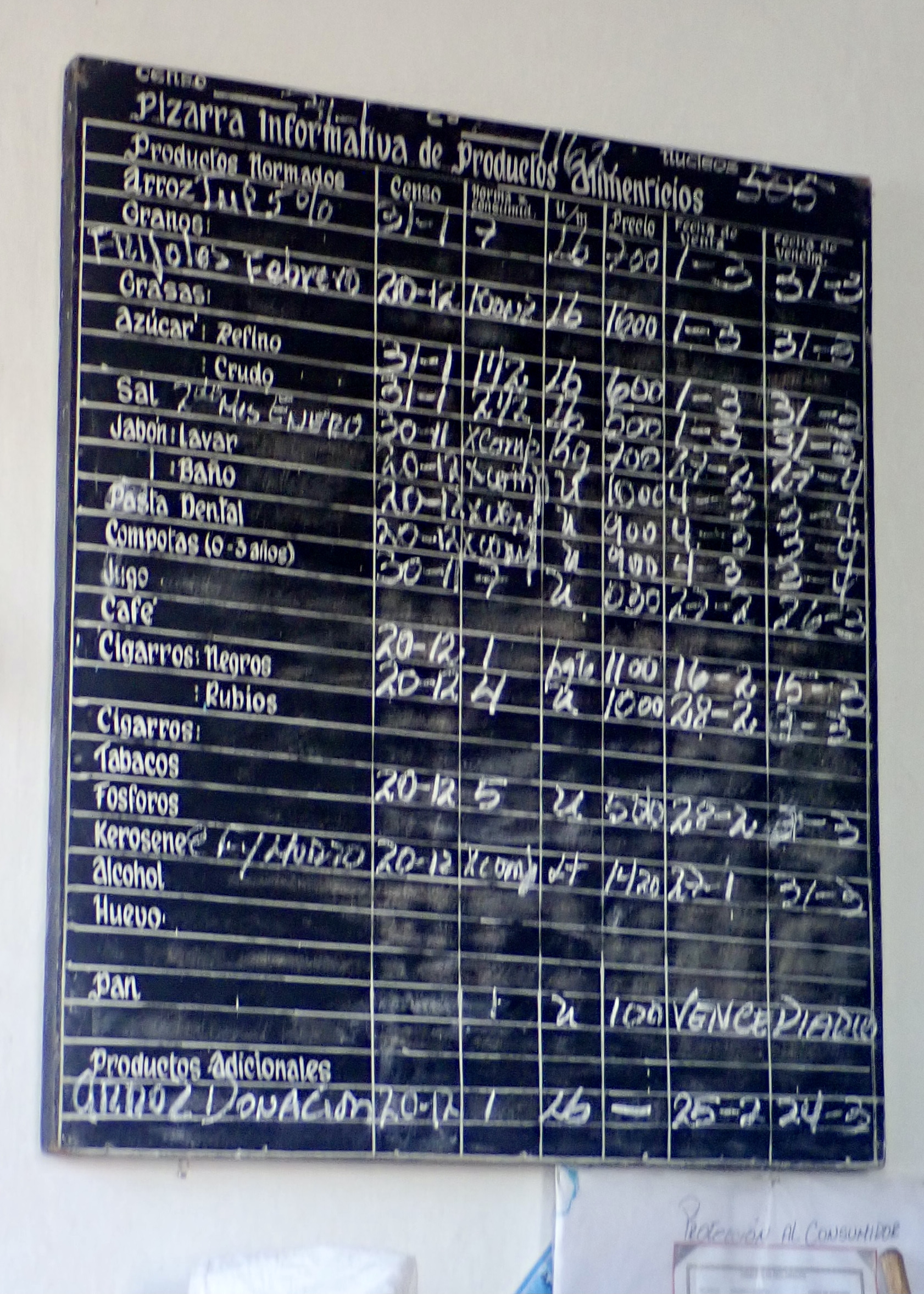
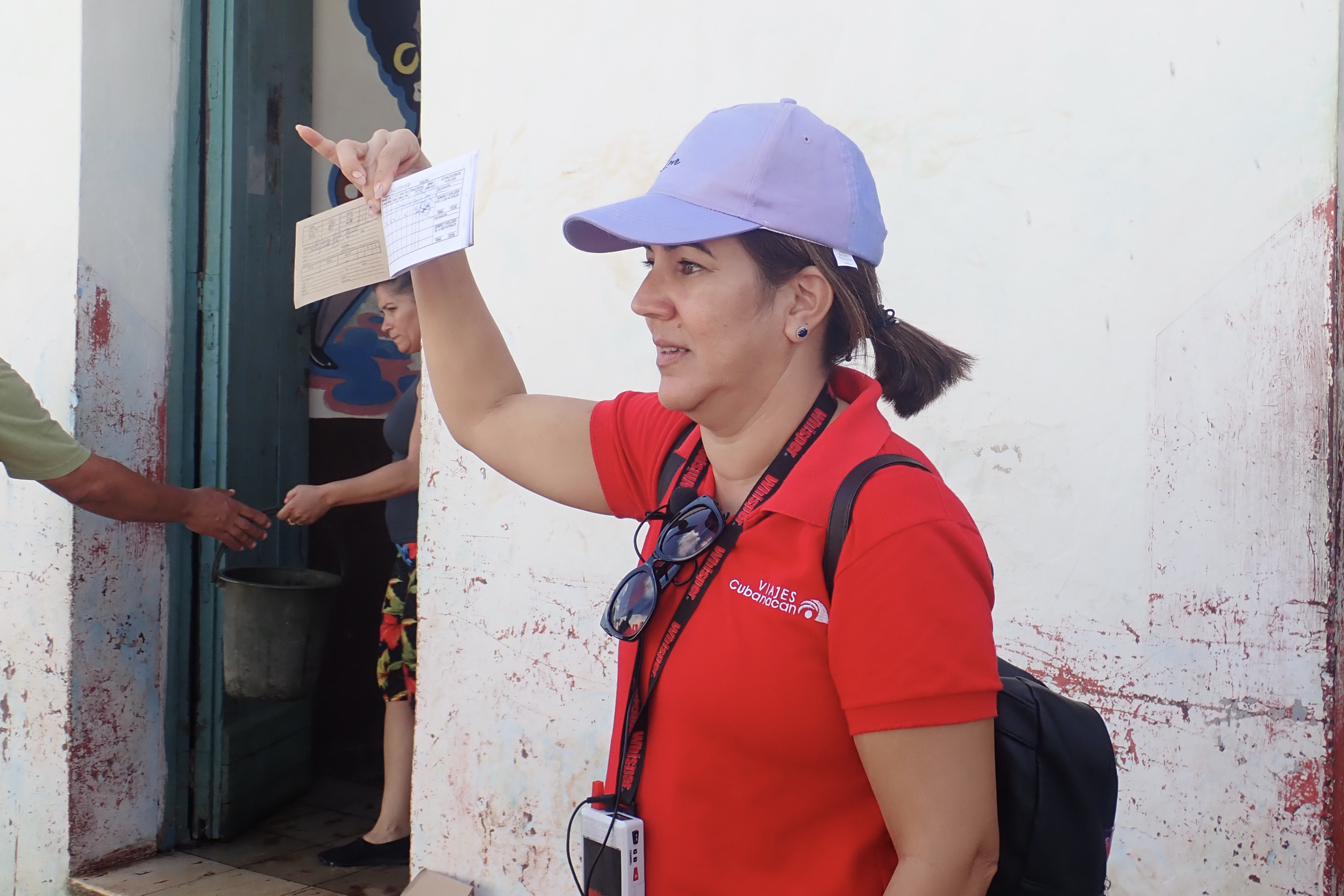
We learned about the bodega – the government run rations store. There’s one in every neighborhood. Our Cuban tour guide, Ray, shared what a ration book looks like and how the system works.

A ration book:

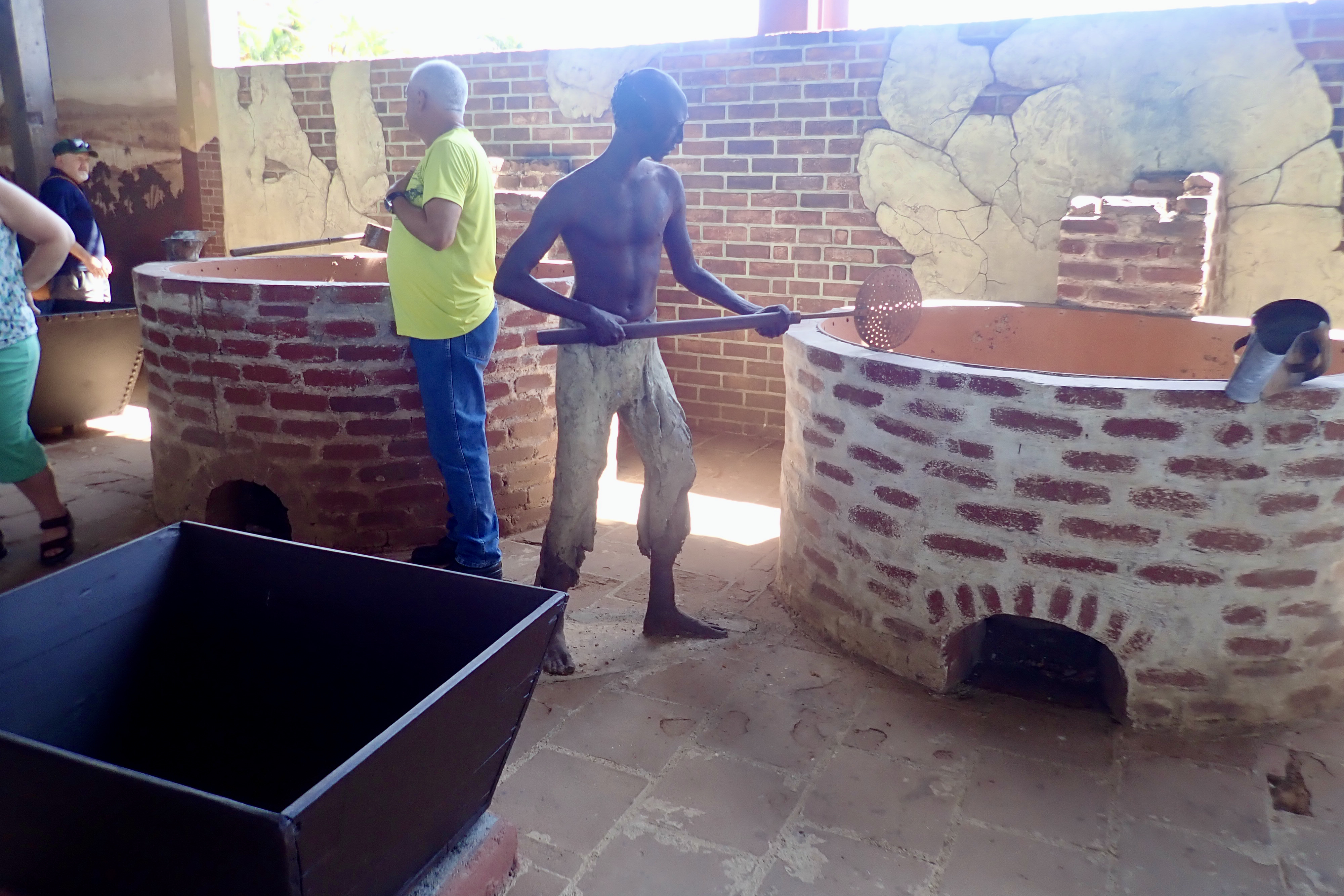
Back to the hotel and onto the bus to visit a nearby museum which showed the history of the sugar industry from the early beginnings

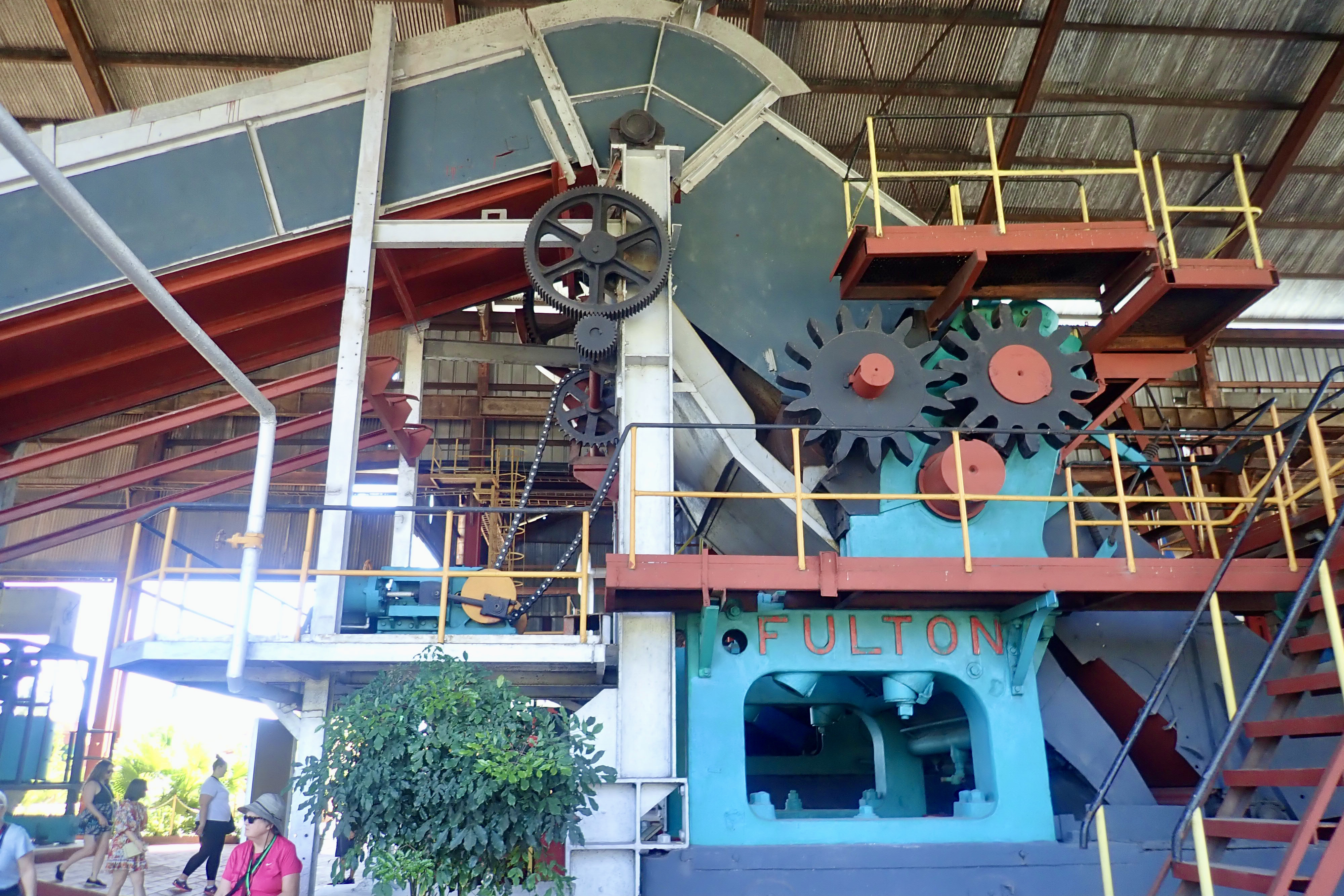
to the next stage of modernization.

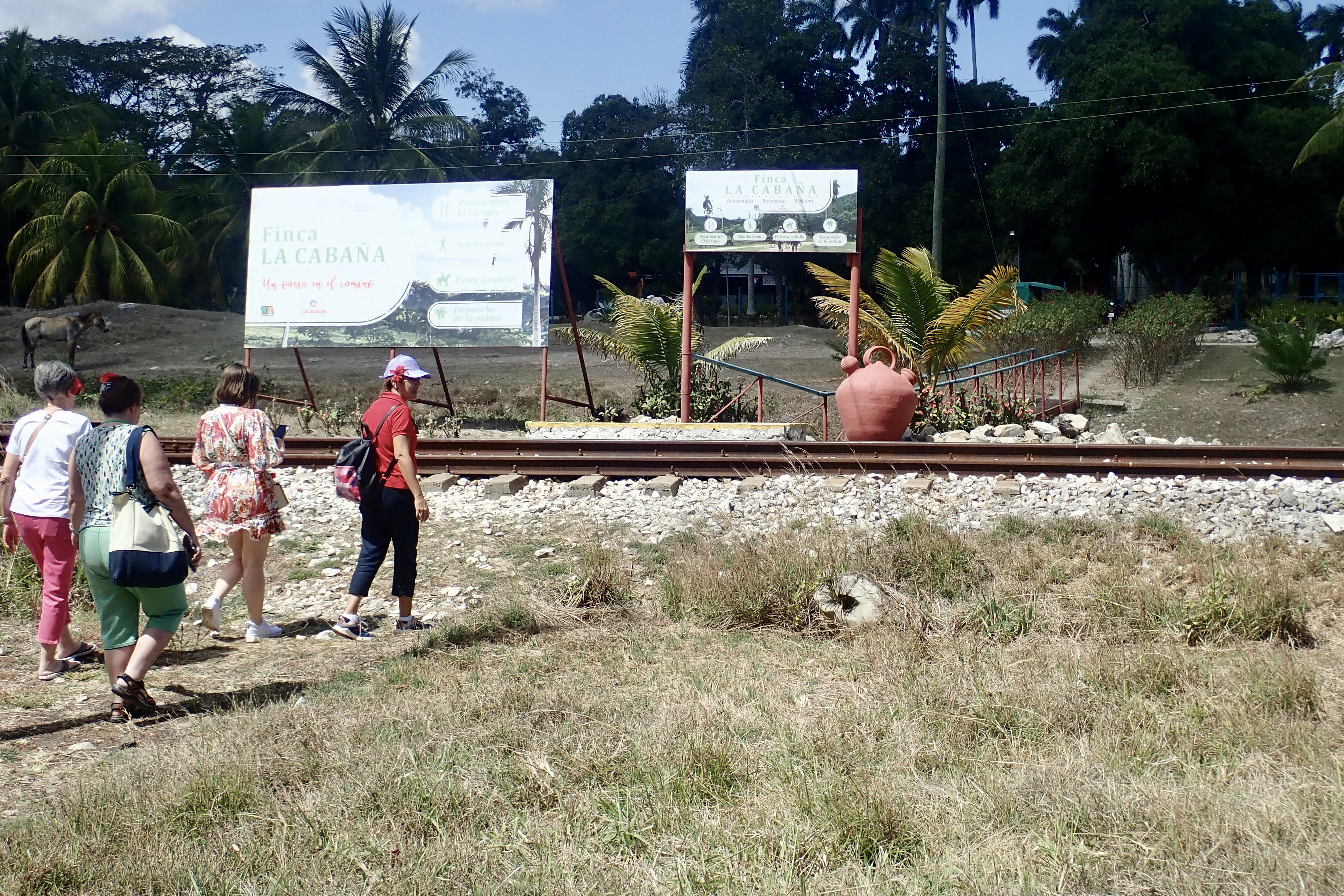
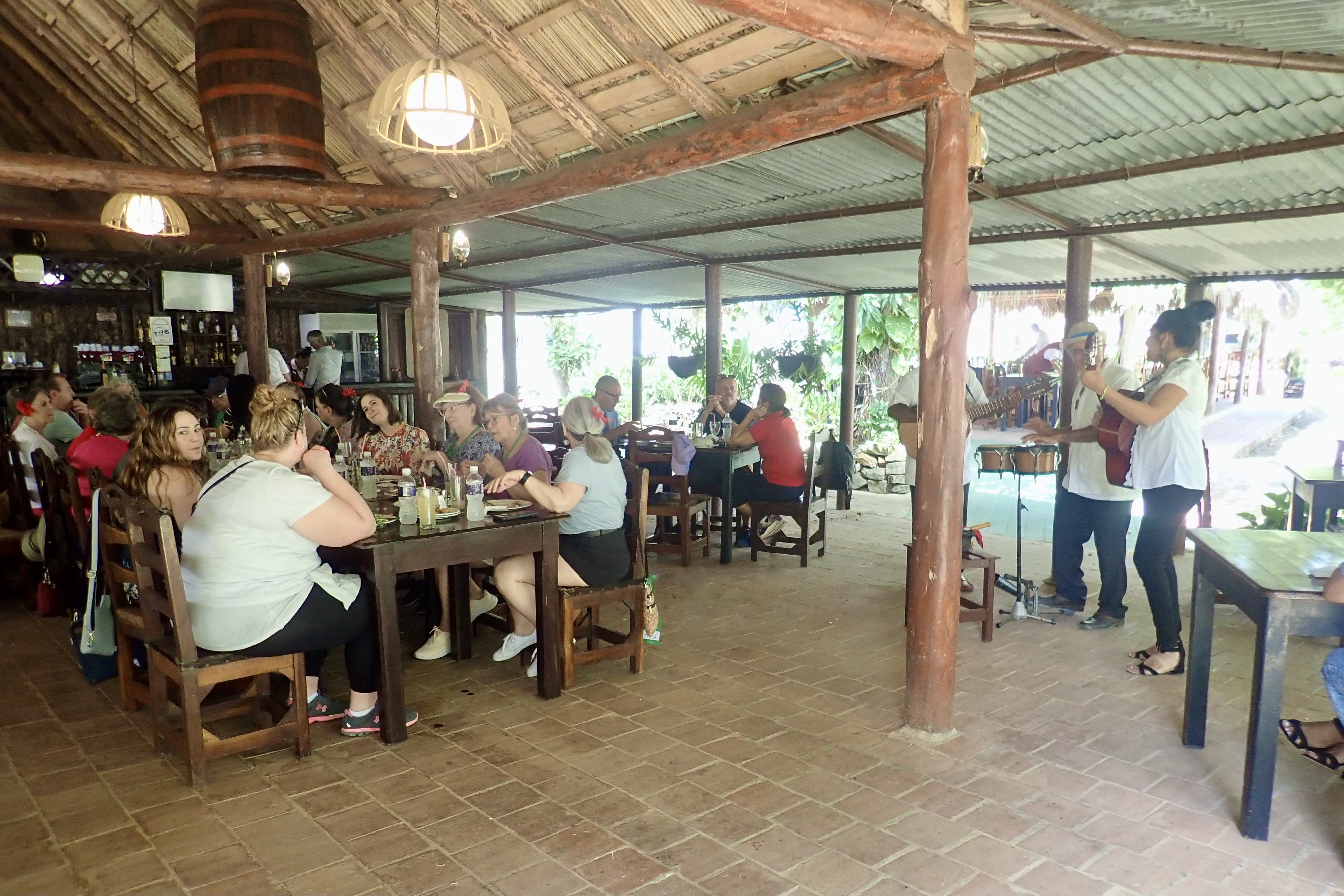
Lunch was at a nearby farm. To get there, we crossed a busy road and railroad tracks, then a bridge which was limited to 8 people at one time. 

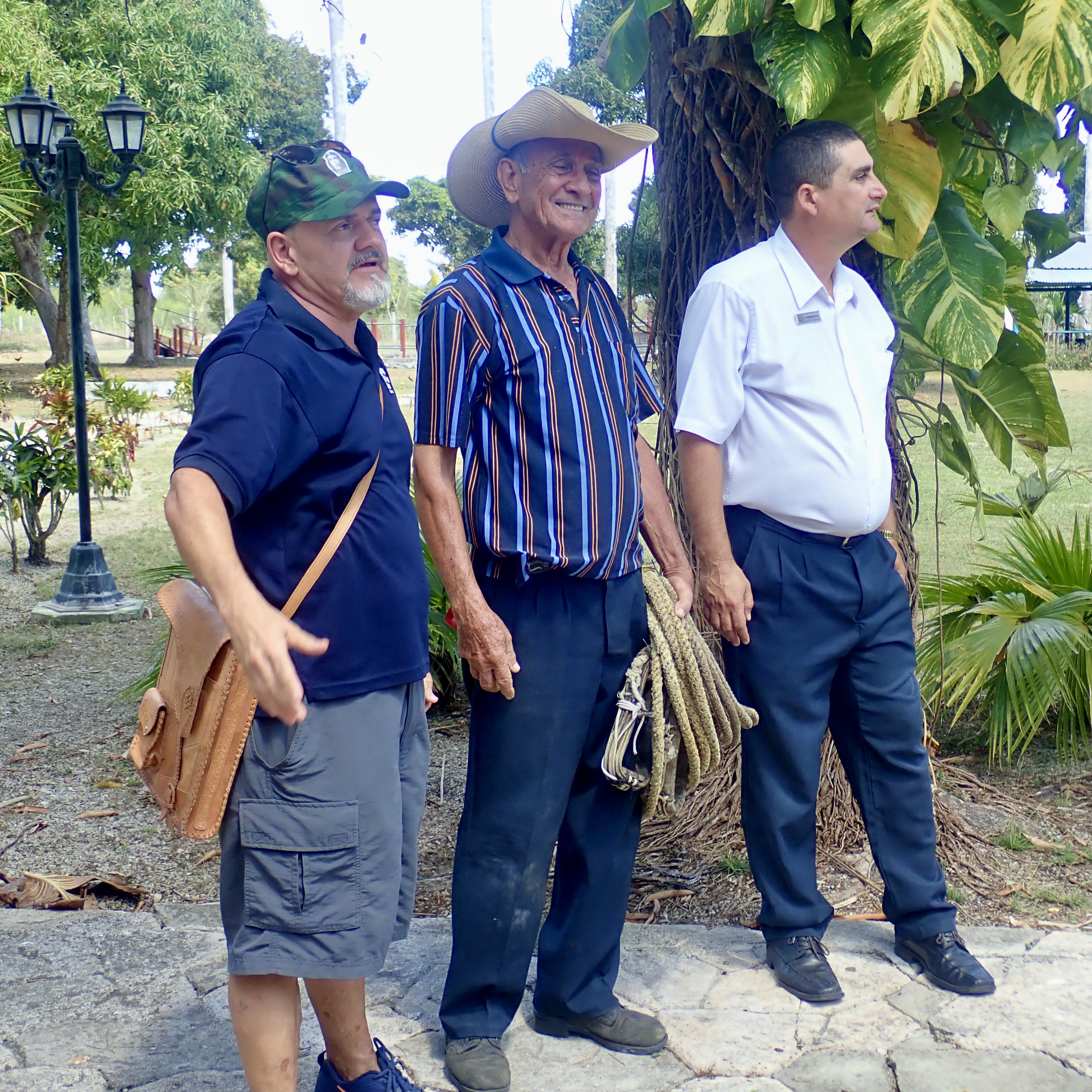
The man in the center is 81 years old and has been harvesting palmiche from the palm trees since he was 14. 

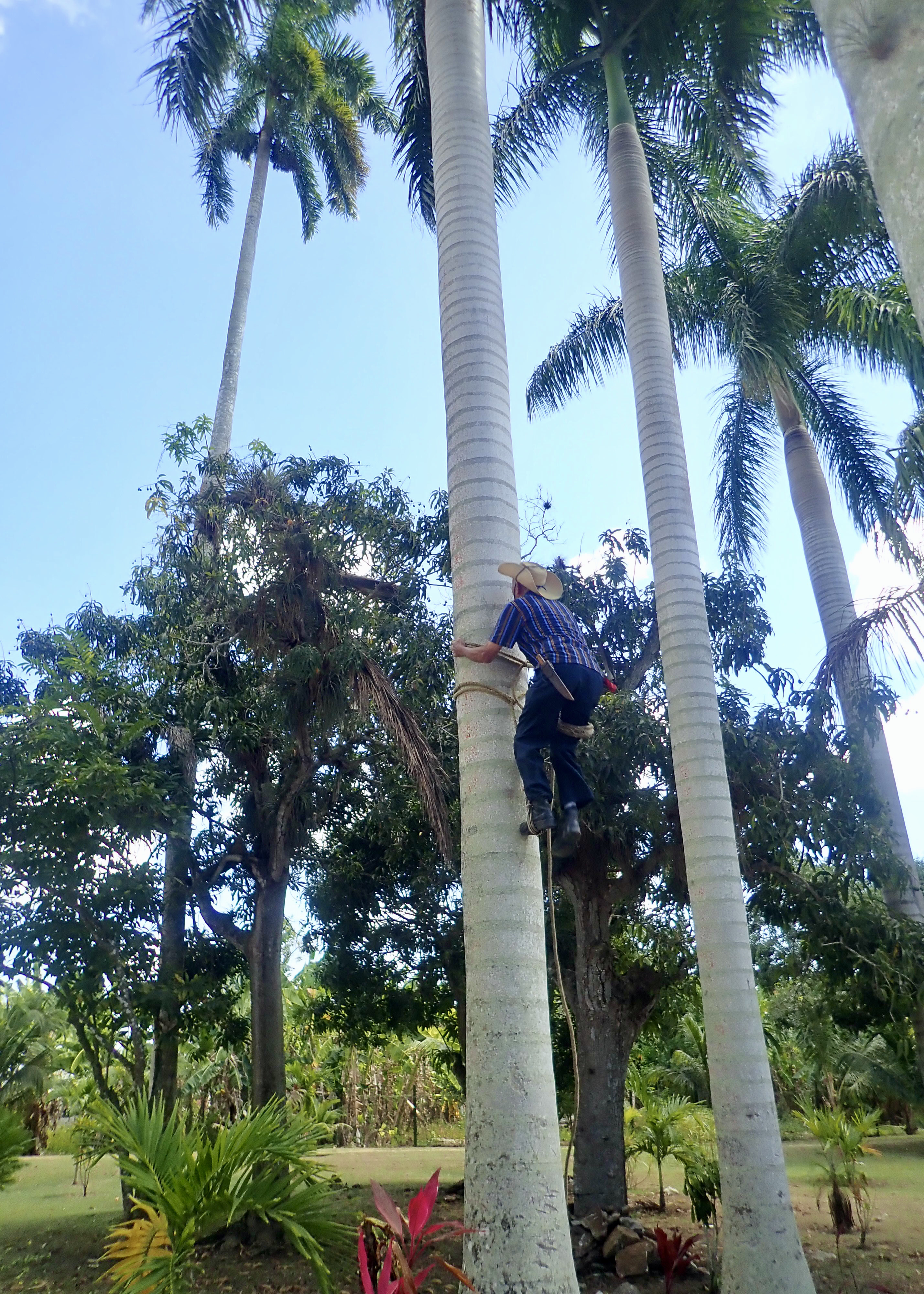
Then he showed how it’s done. 

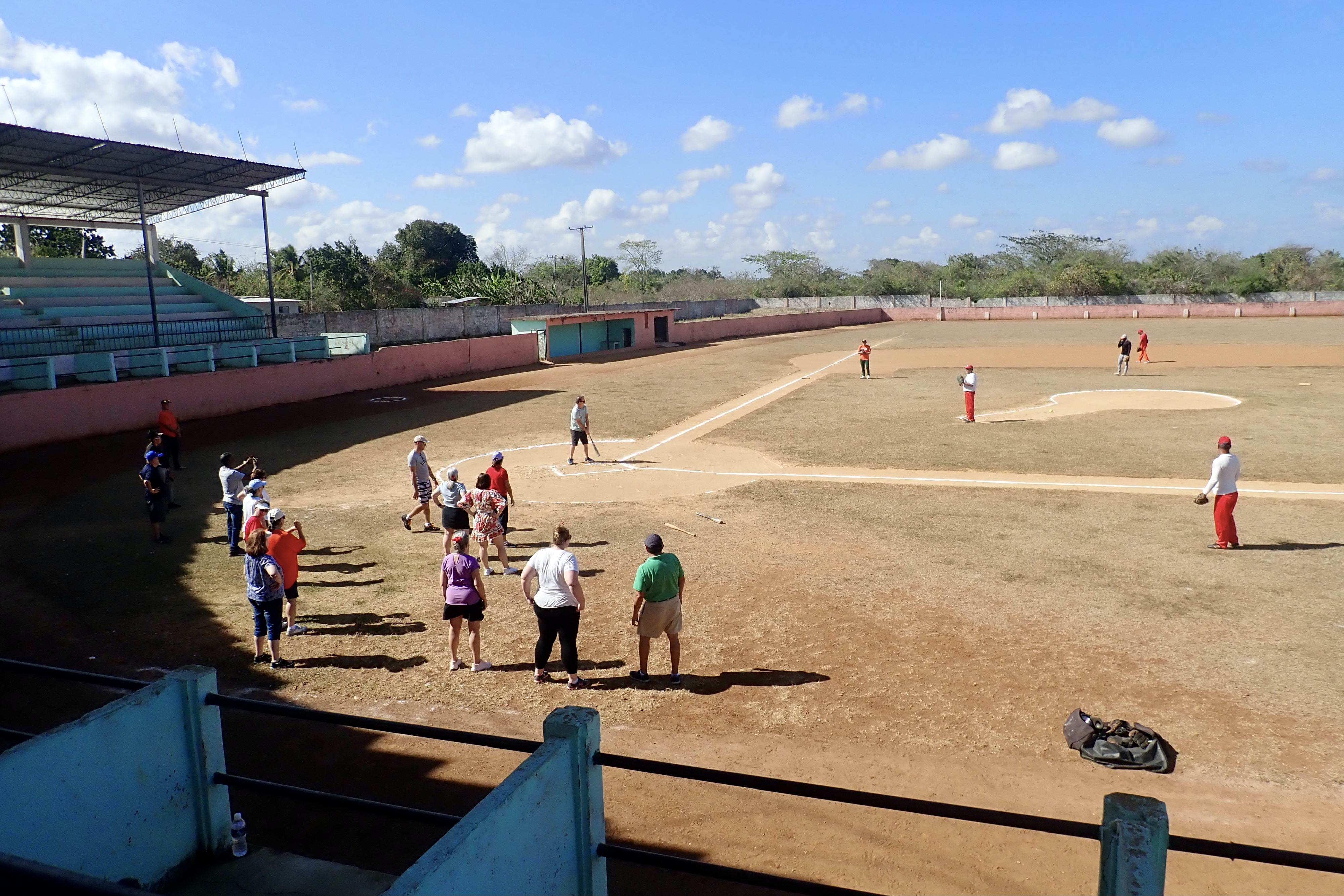
After lunch, we met local professional baseball players and played a one inning game. 

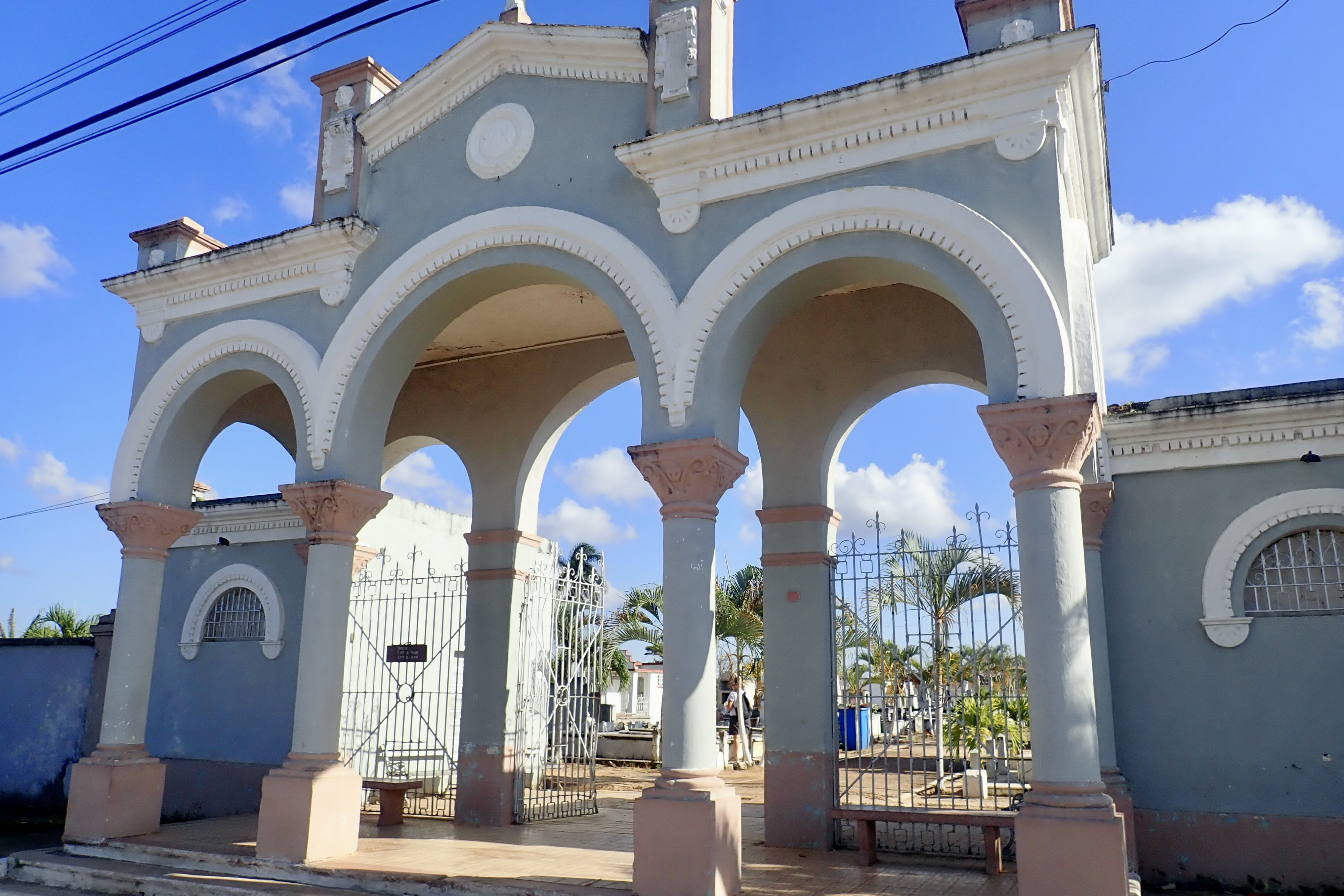
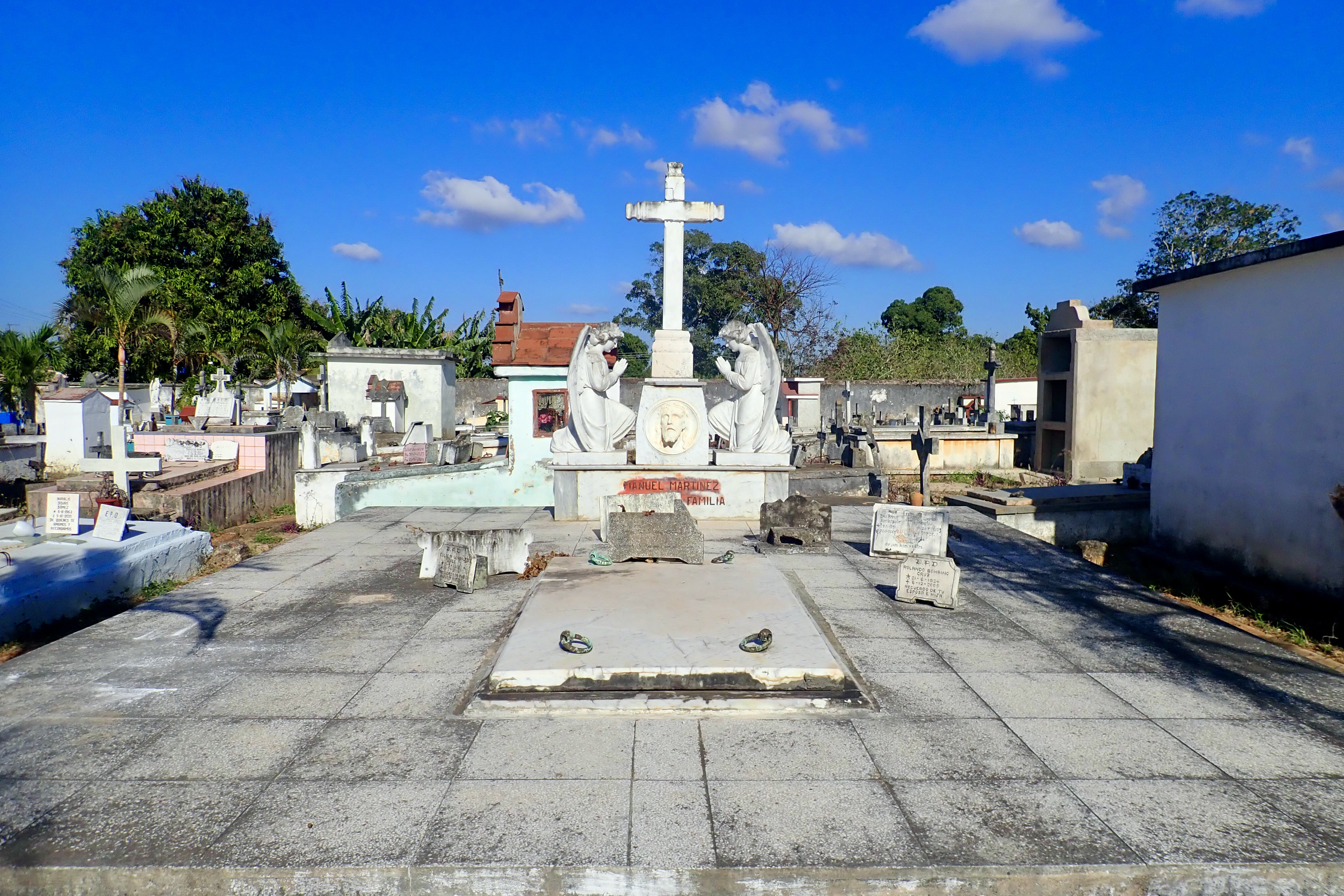
Across the street was a typical Cuban cemetery which are always above-ground.

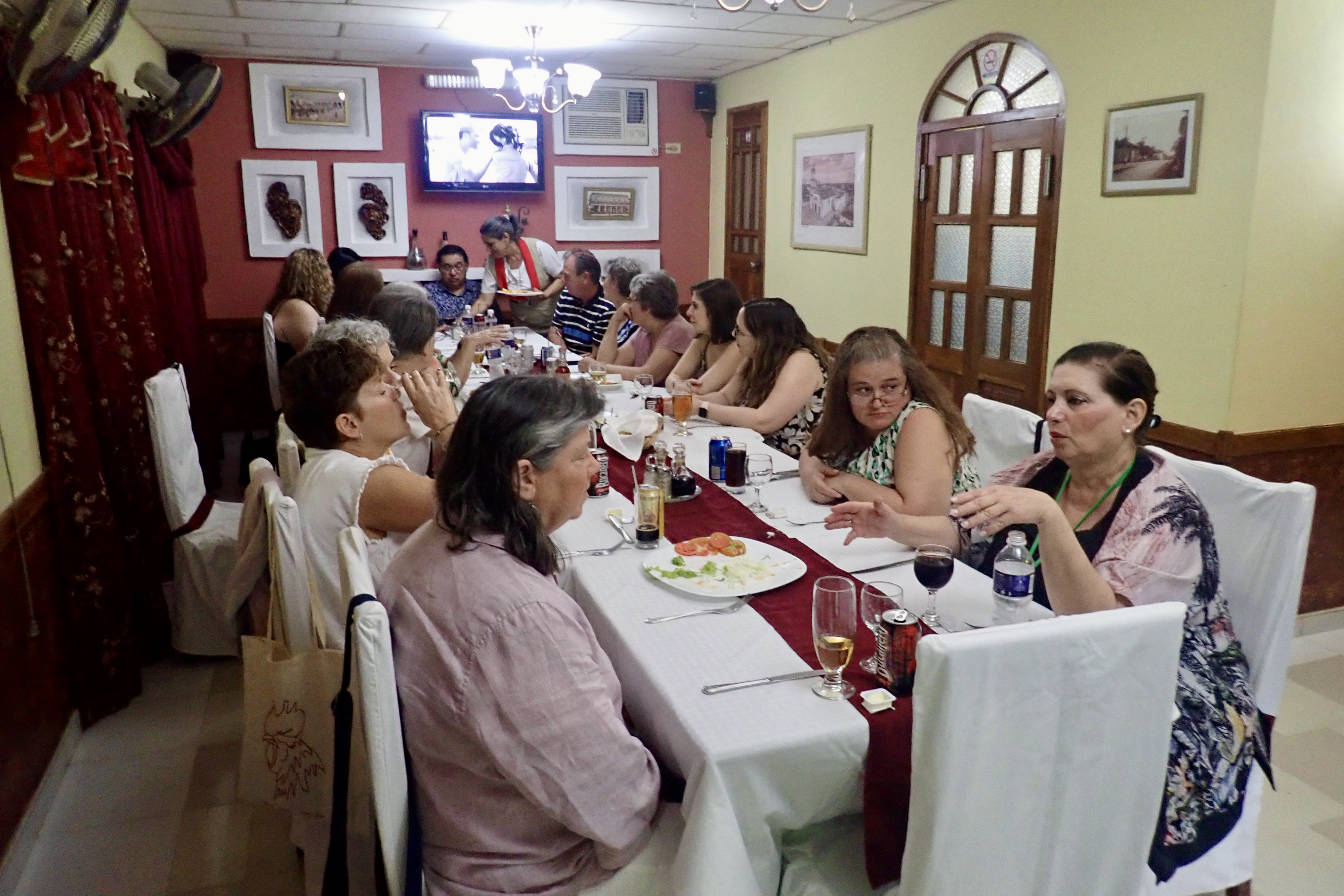
Dinner at a local paladar called El Piramide. The family lives here. We ate in the converted living room. This is what local families do to make more money.

Cuba – day 4

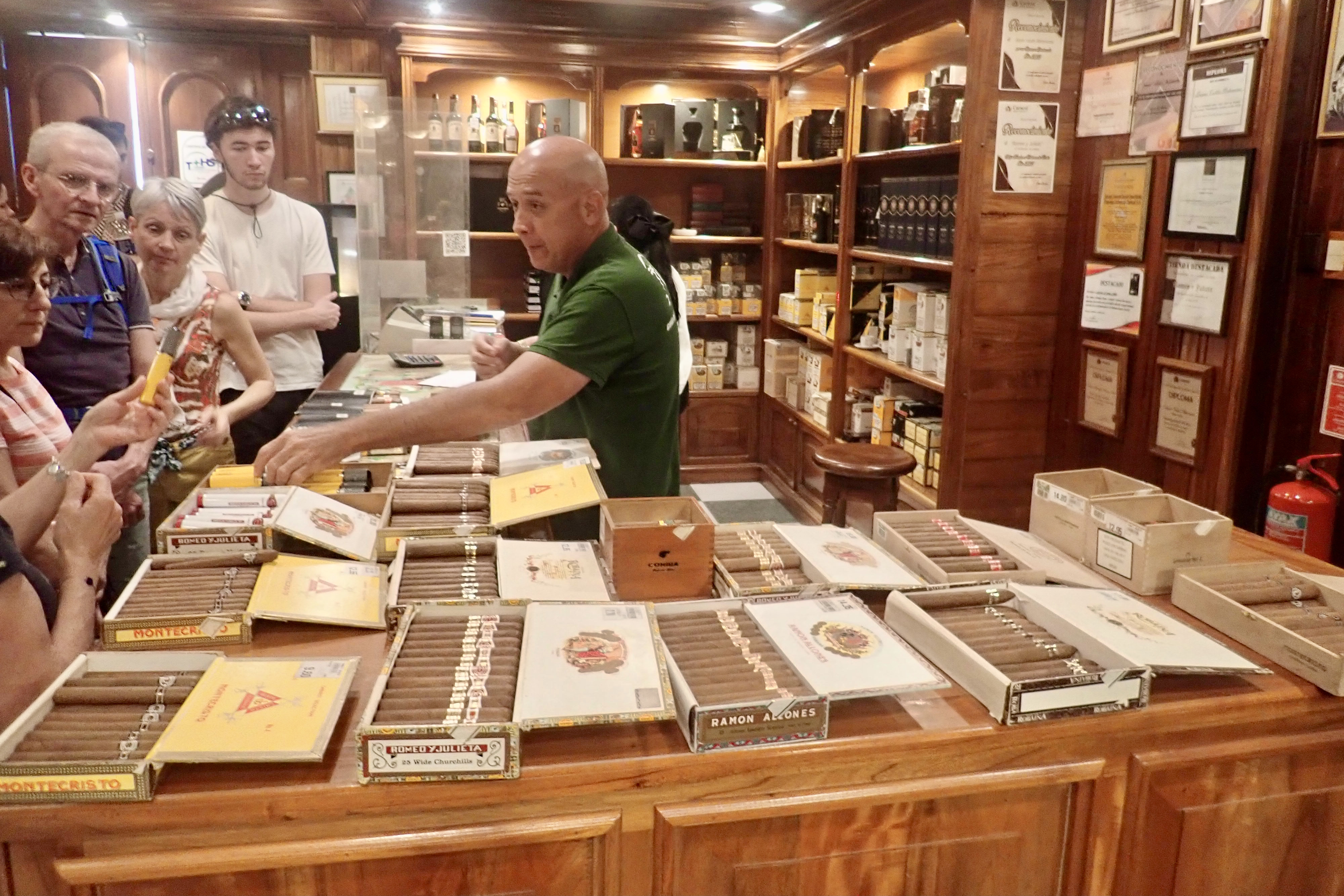
We checked out of our hotel and made one stop at a cigar factory before heading out of Havana.

We climbed several floors to get to the area where the cigars are being rolled. On one side, trainees will spend one year learning how to do it correctly. On the other side, experienced rollers made 70-140 cigars/day depending on the size and type of cigar. Taking photos is not allowed but the security guard was on his phone, so we provided cover for one another and took quick pictures.

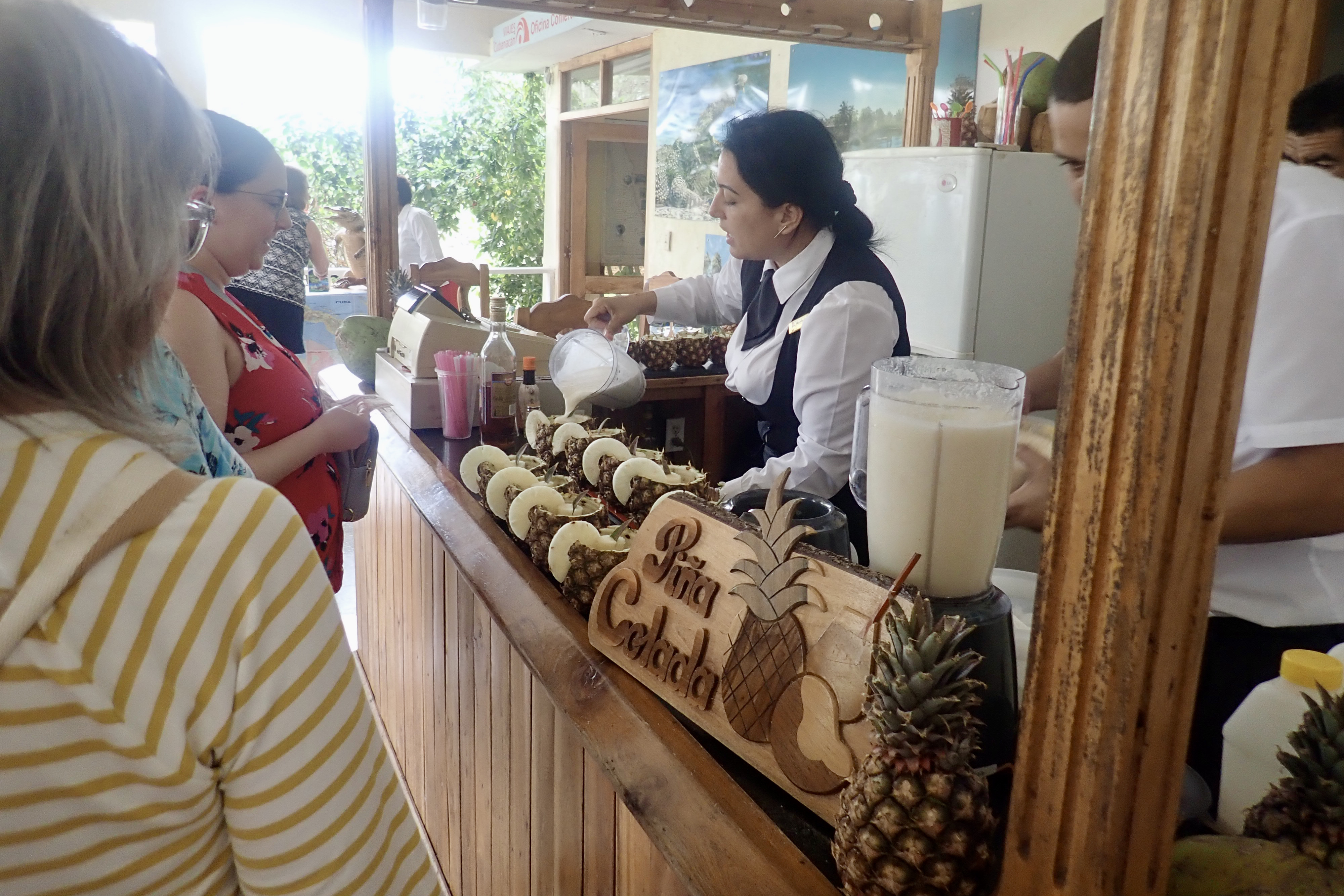
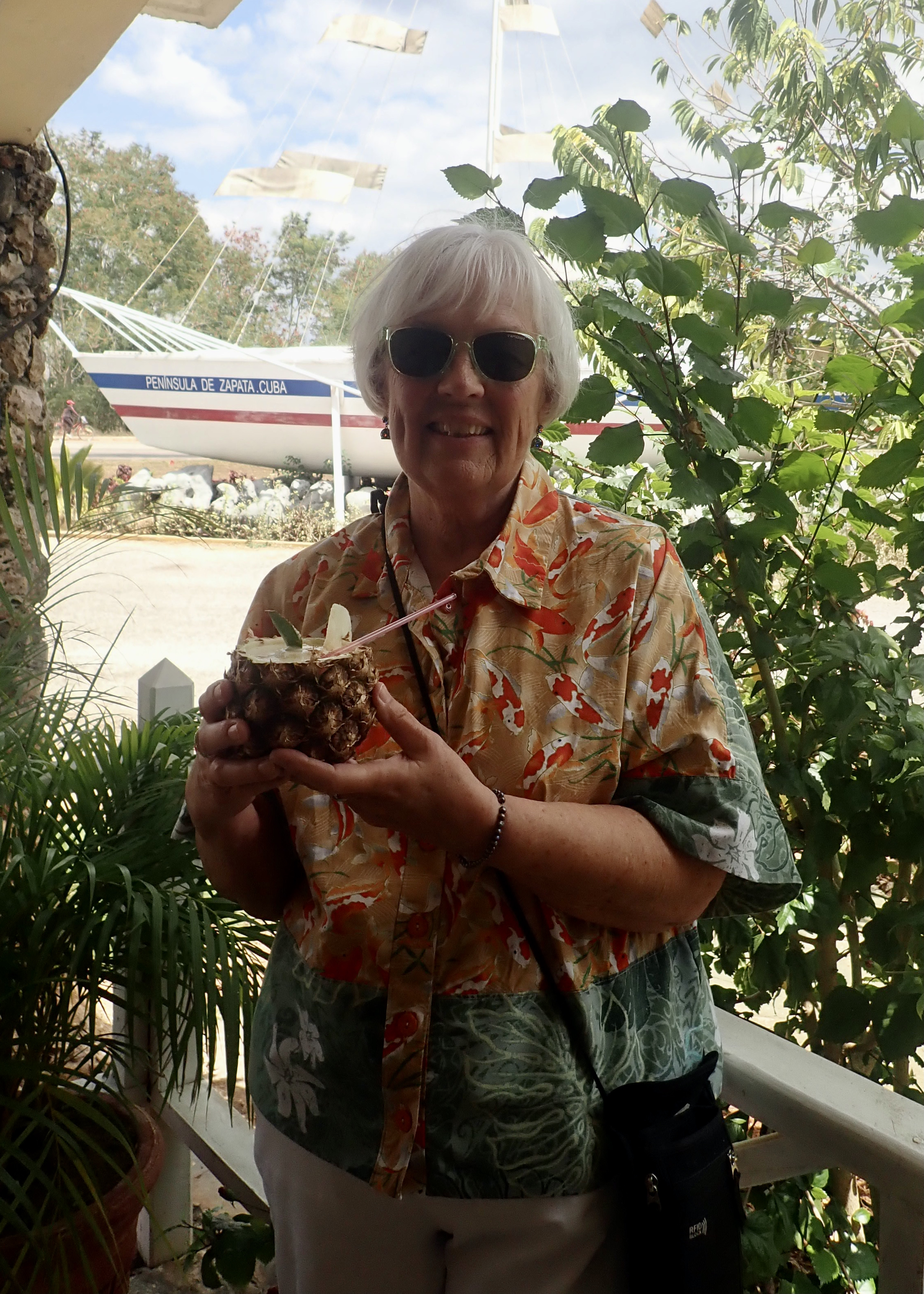
Back to the bus and on to our next stop, actually a bathroom stop but also the option to get a pina colada.

Lunch at Restaurante Los Tainos.

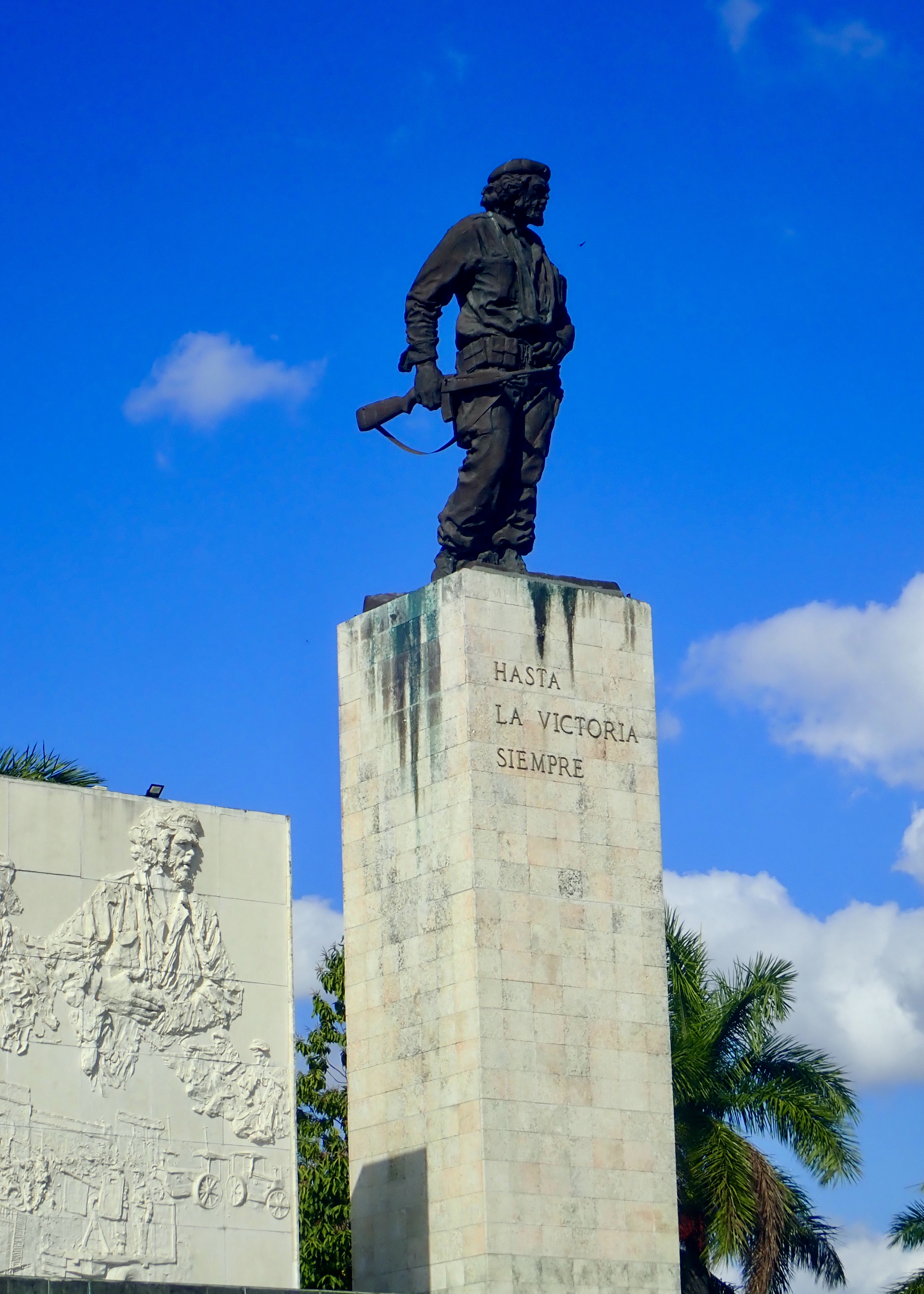
We stopped at a monument to Ernesto Che Guevara.

In Santa Clara, we learned about a community project called El Menjuje which aids people of all types and encourages inclusivity for all.

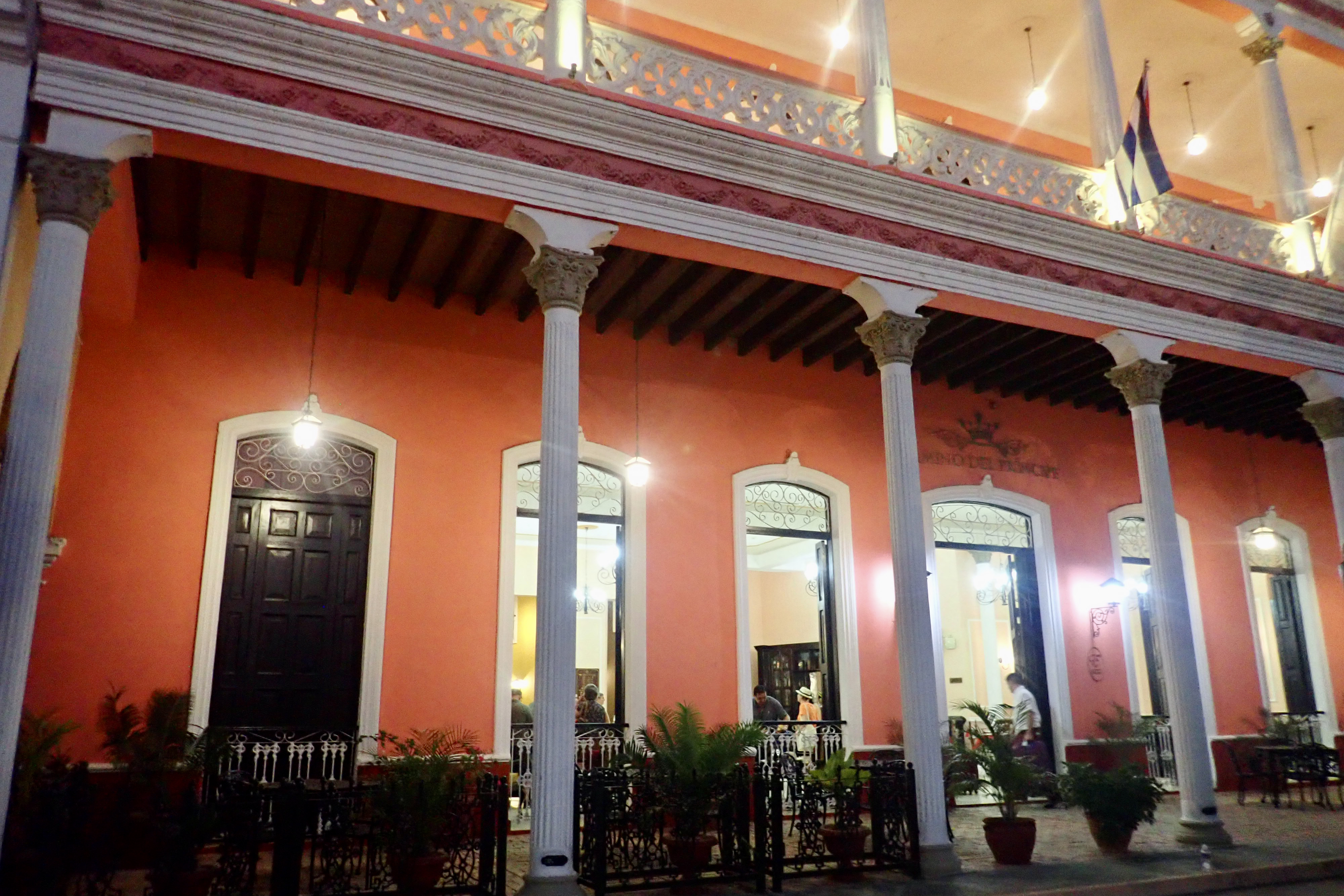
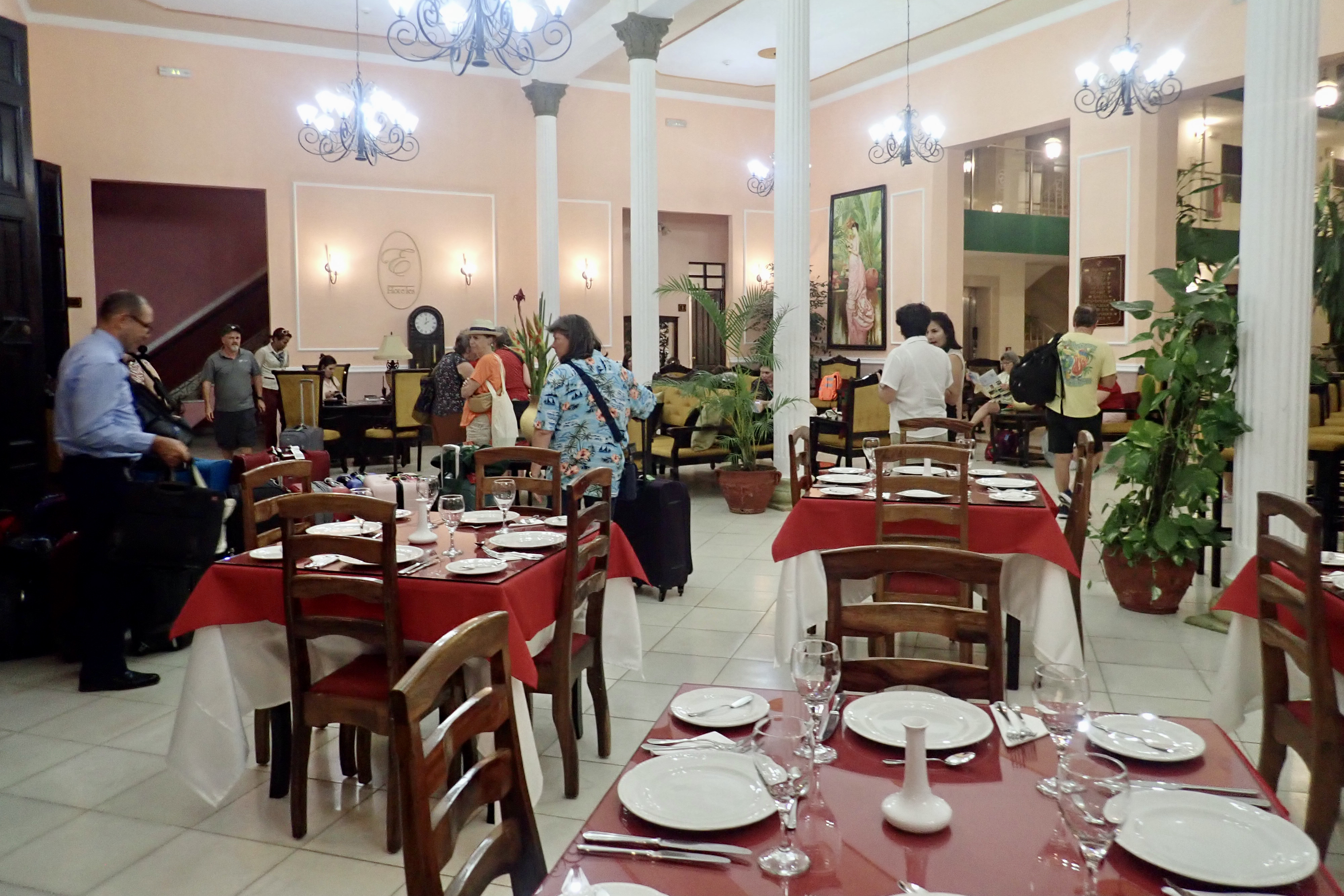
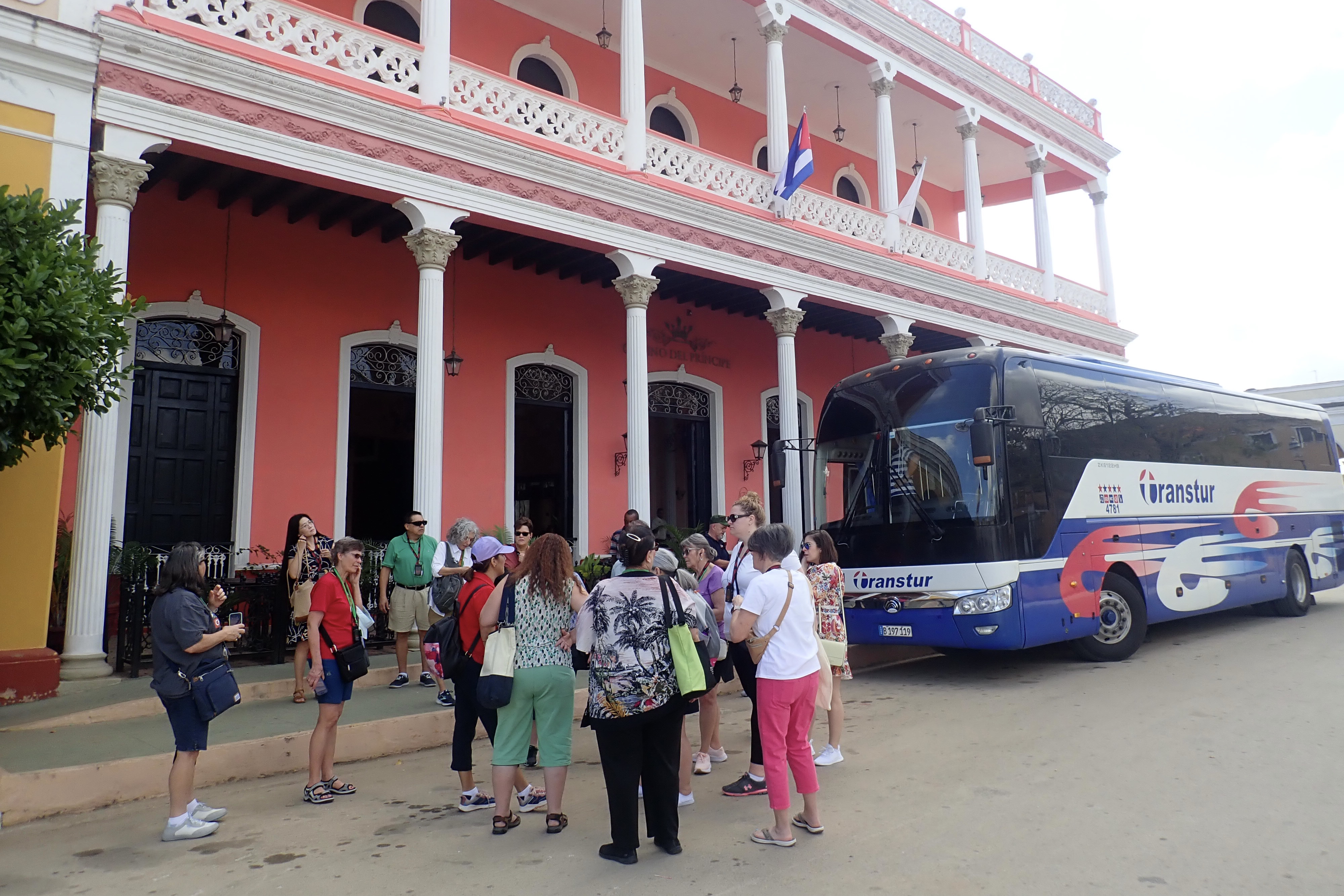
Our hotel in Remedios – Camino Principe – The Prince’s Path. Beautiful hotel outside and inside! And … slow but adequate (and free) wifi. Time to catch up.

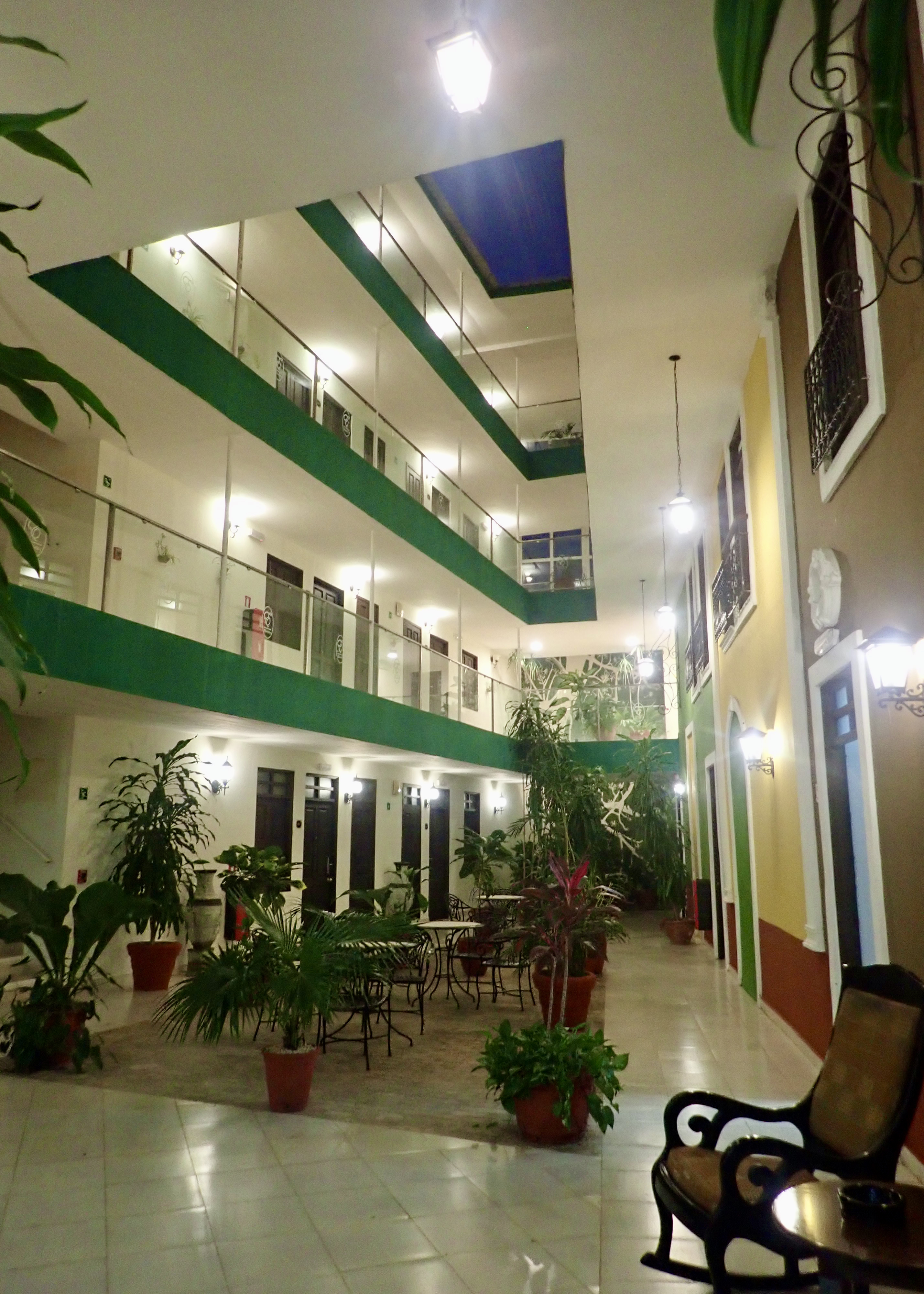
All the rooms face inward to the courtyard.

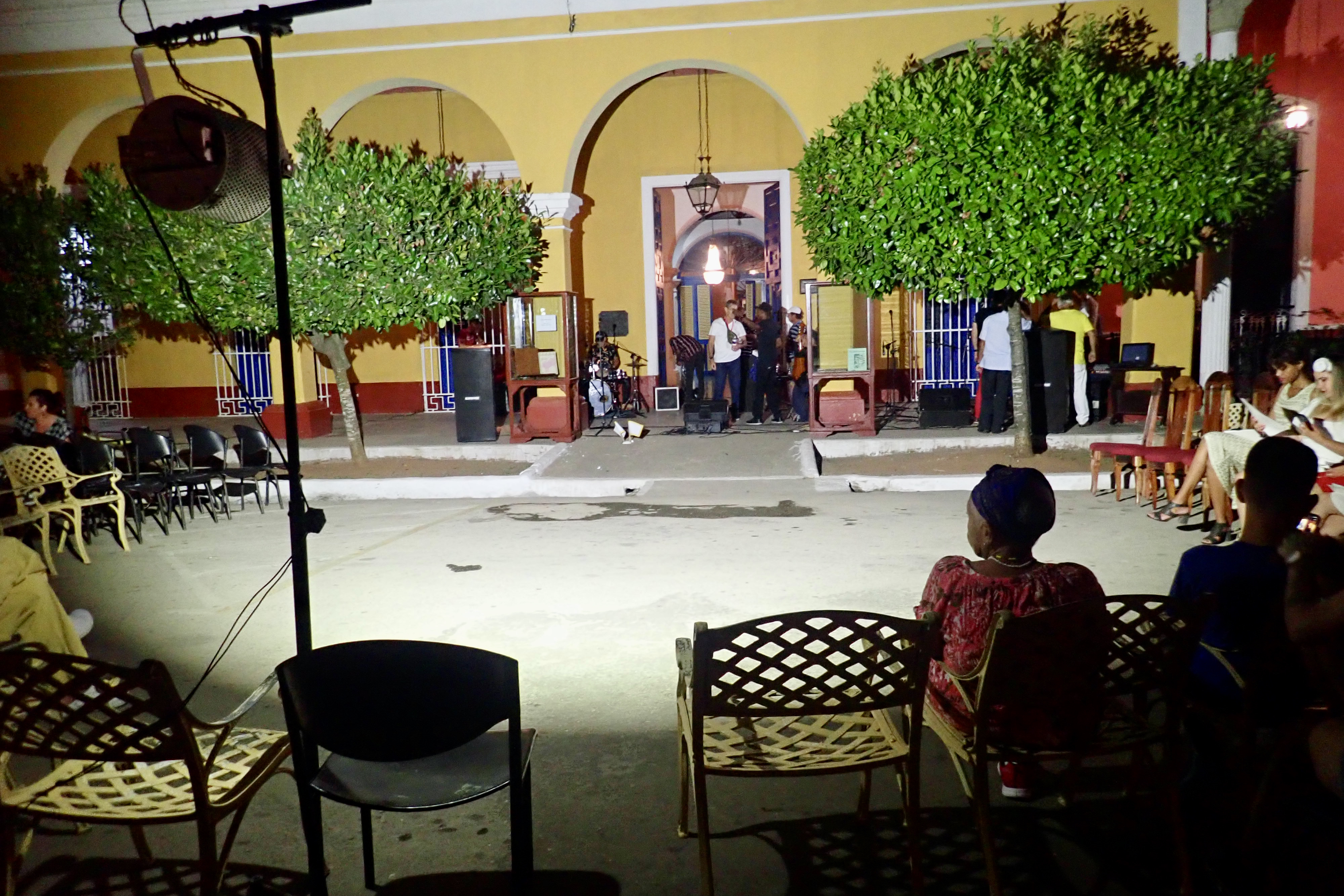
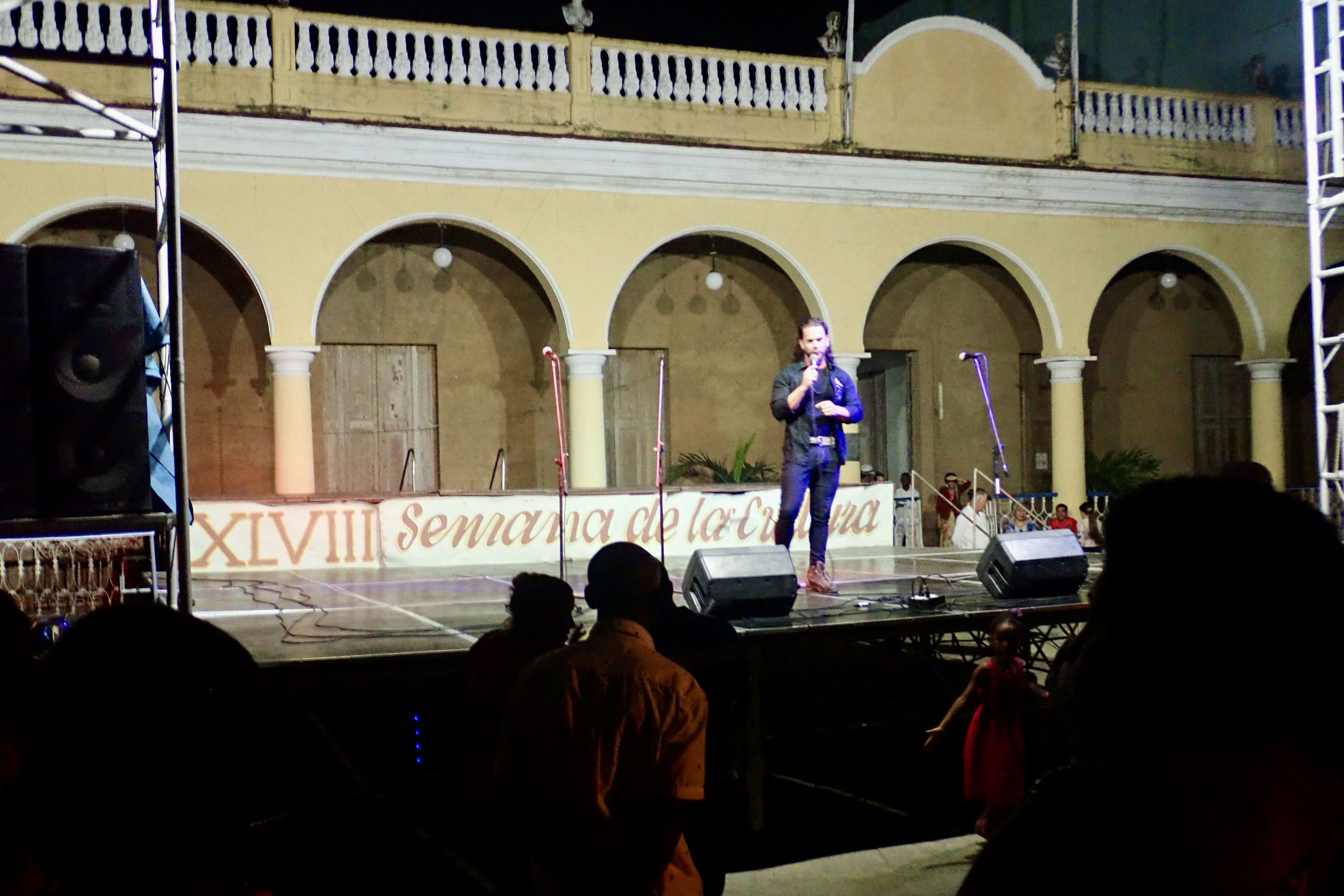
After dinner in the hotel, Terri and I walked around the plaza. We were lucky to be in Remedios for the annual Semana de la Cultura – Week of Culture. A band getting ready for their performance although the big show began at midnight to celebrate an important person’s birthday. Two in our group stayed out until 1:40 am enjoying the performance and dancing in the street.

On the other side of the plaza.

Cuba – day 3

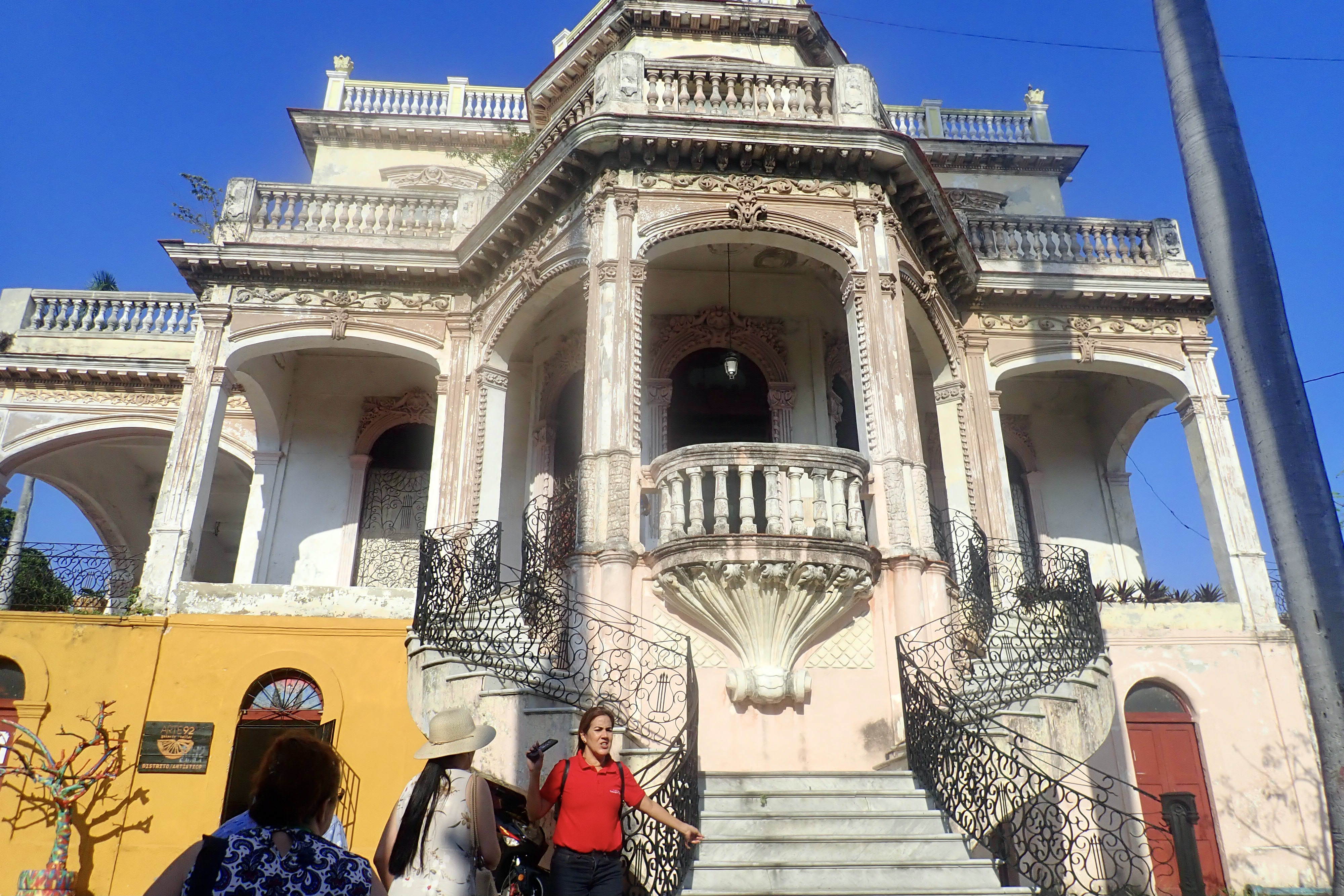
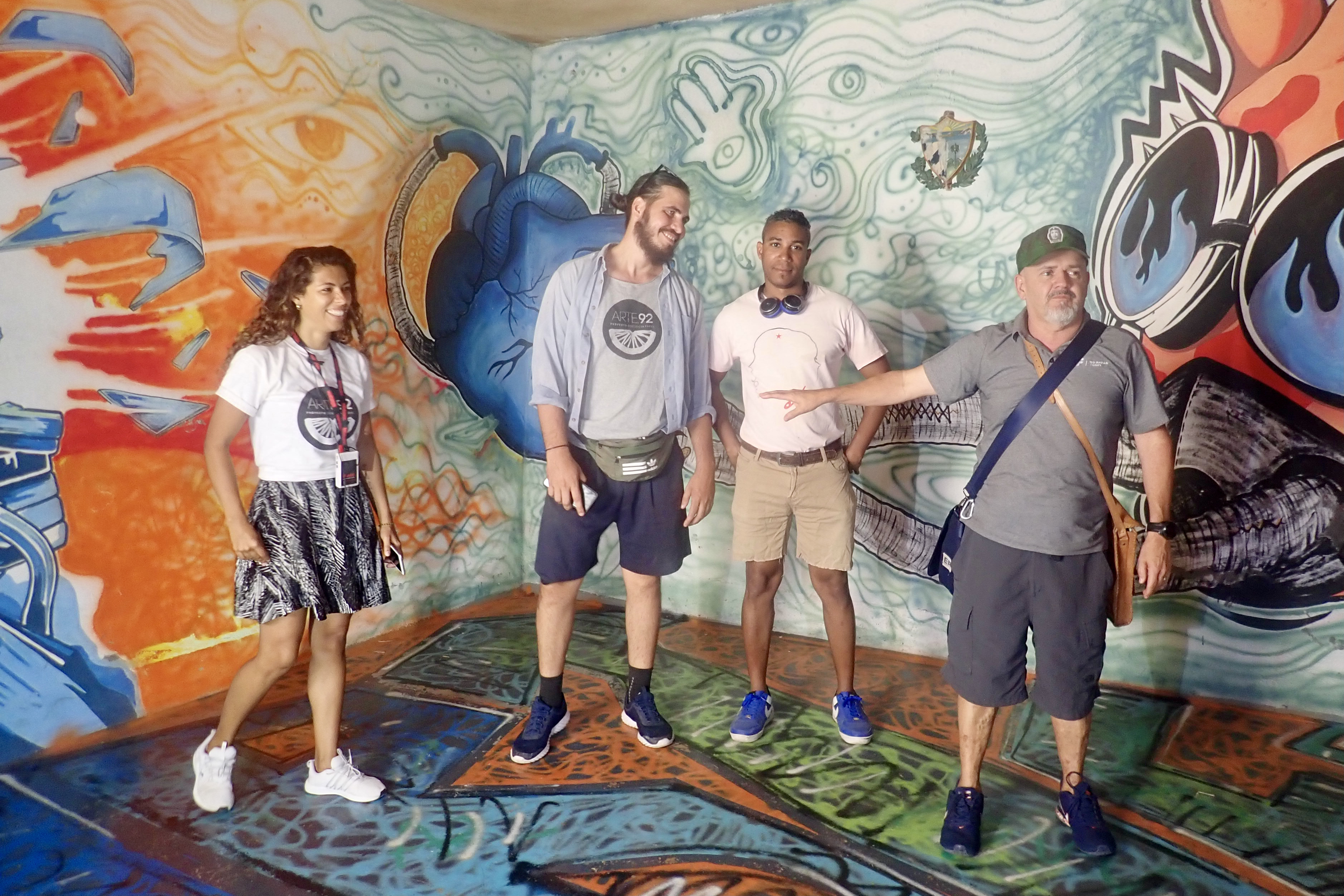
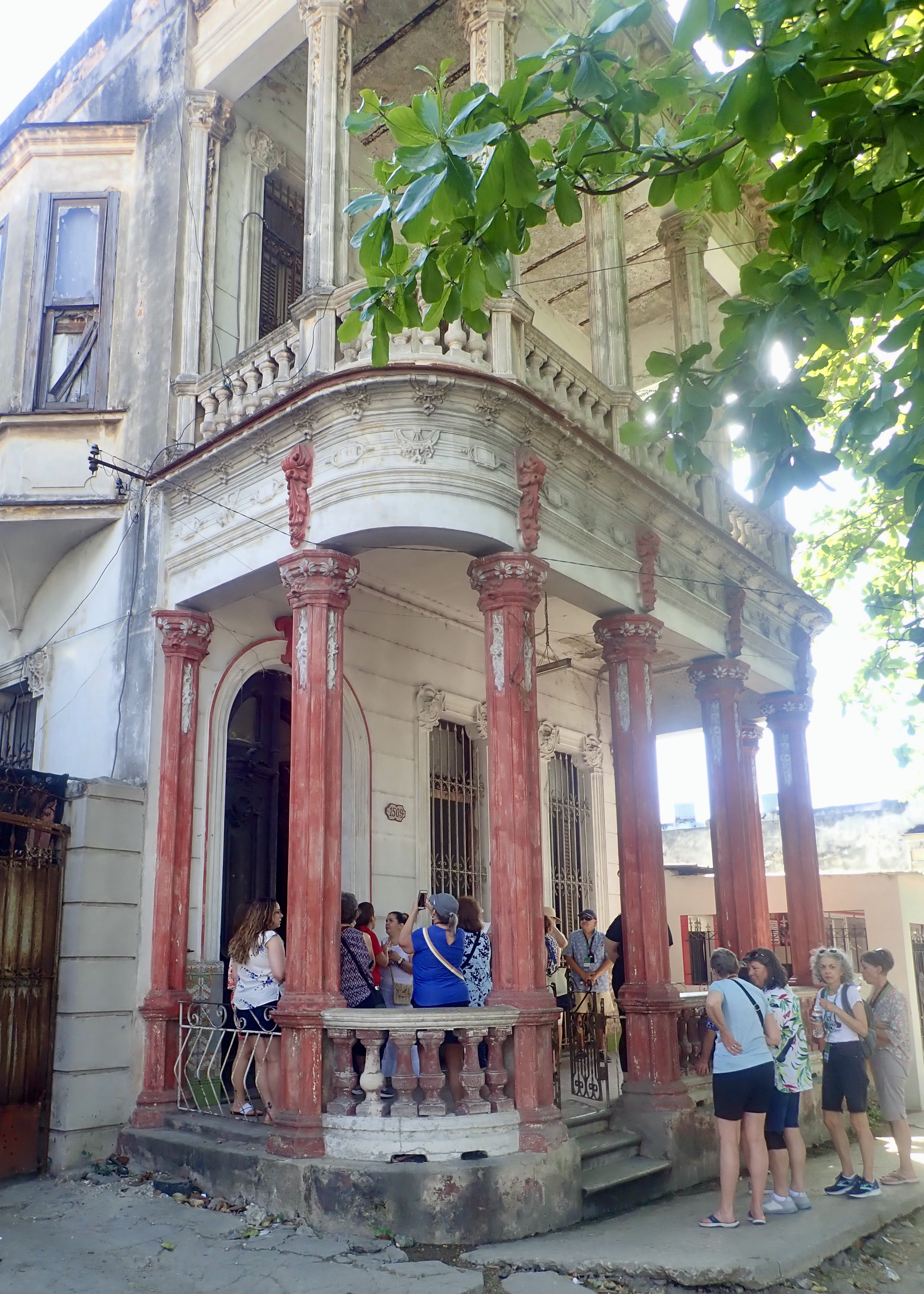
Stop #1. Arte.92 – a socio-cultural community project completely self-funded to provide a place for artists to create but also to provide opportunities in all the arts for the surrounding community.

Artists Adriana, Agudo, Jorge and Porfirio, our tour guide:

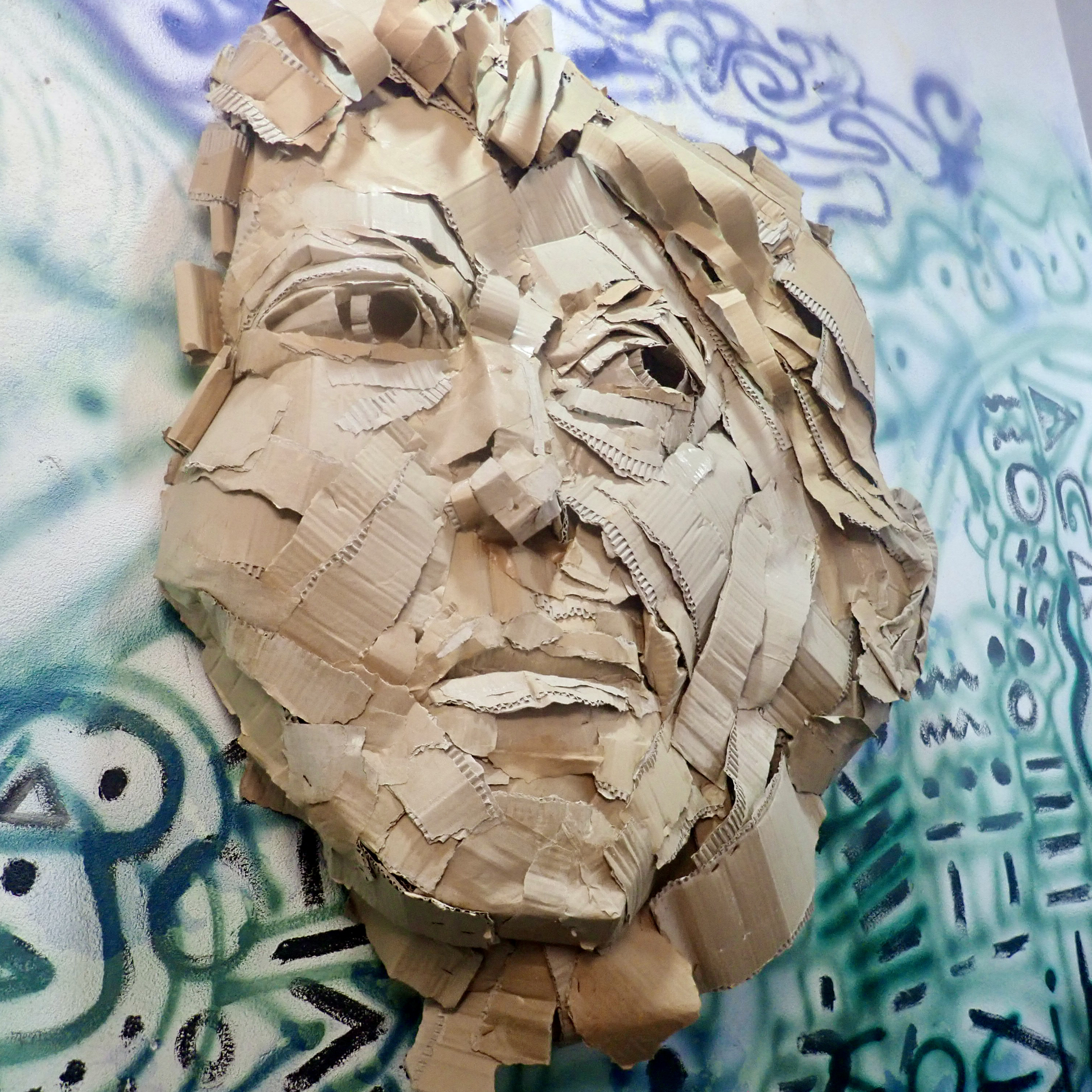
Repurposed cardboard sculpture:

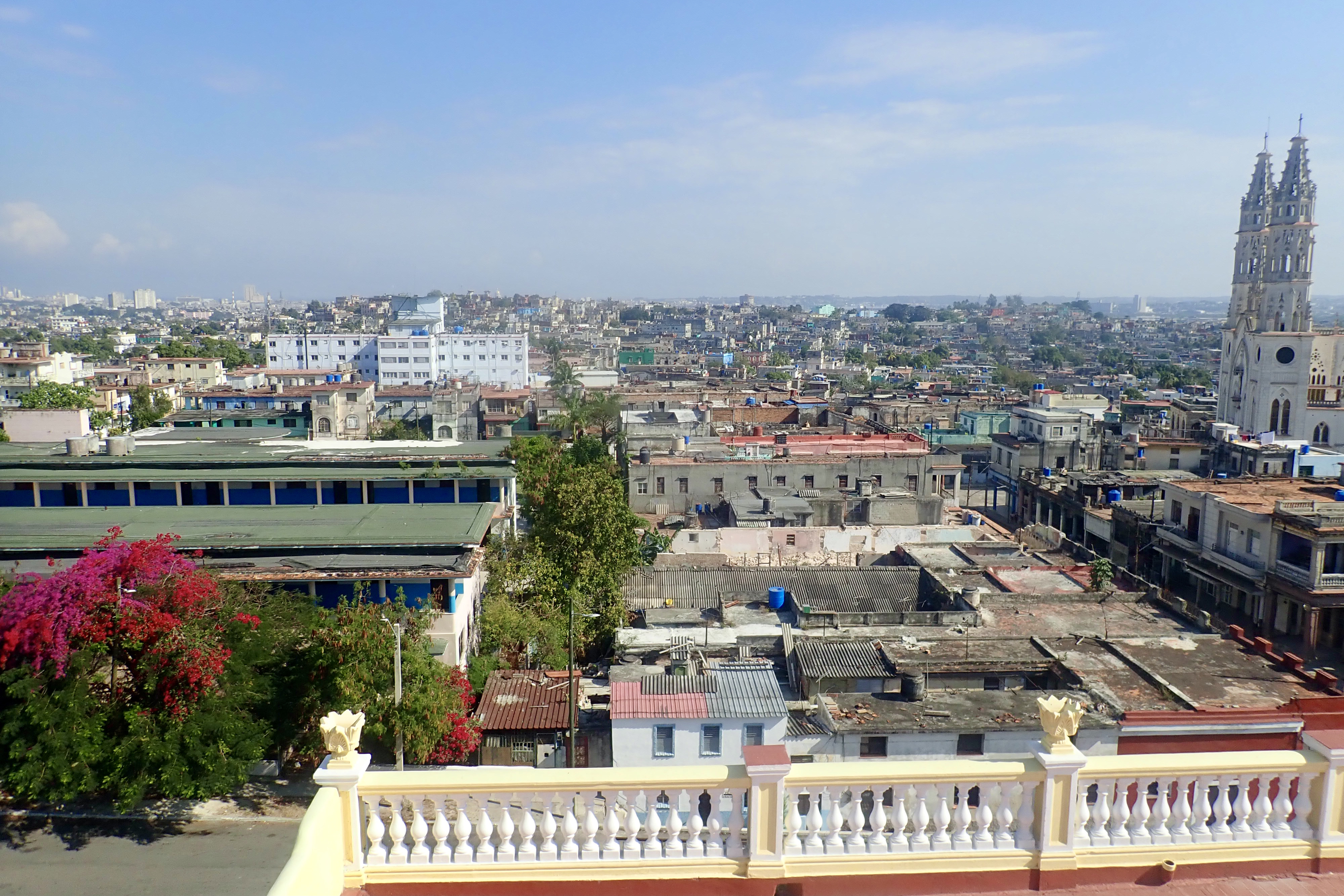
We climbed 88 steps to get to the very top of the building which provided a panoramic view of Havana.

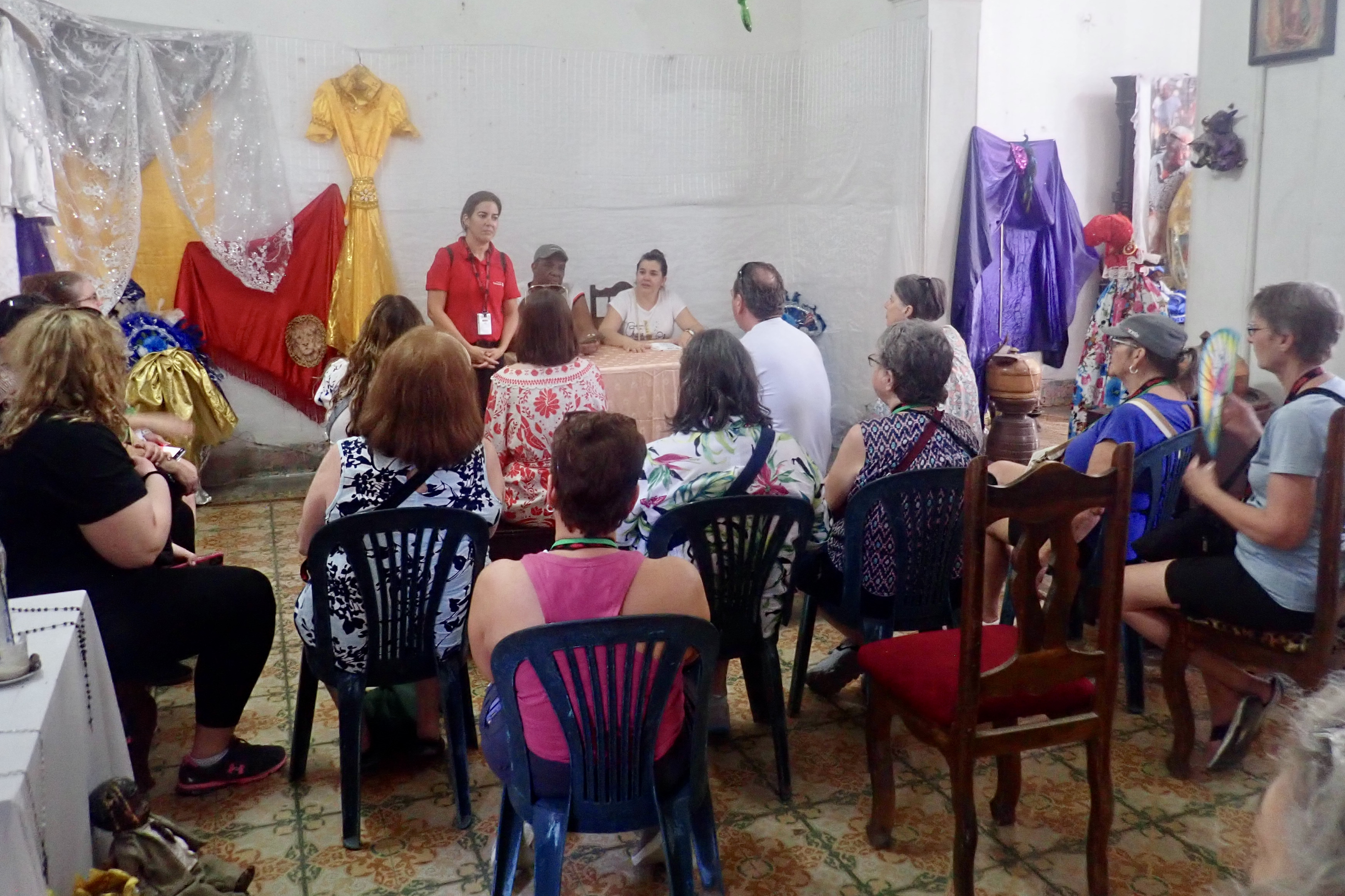
Stop #2: a religious center in the Guanabacca district to learn about Afro-Cuban religion and ceremonies.

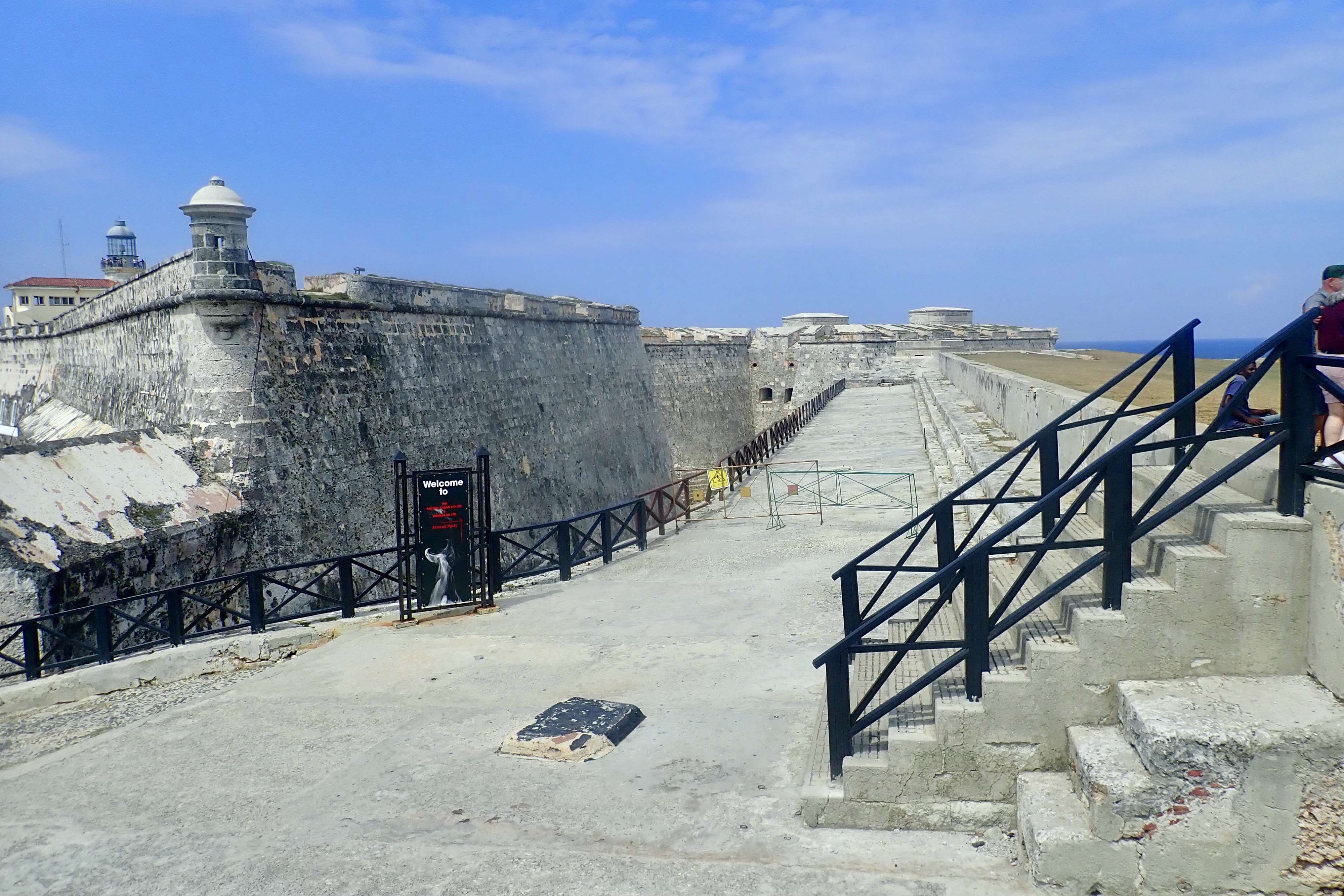
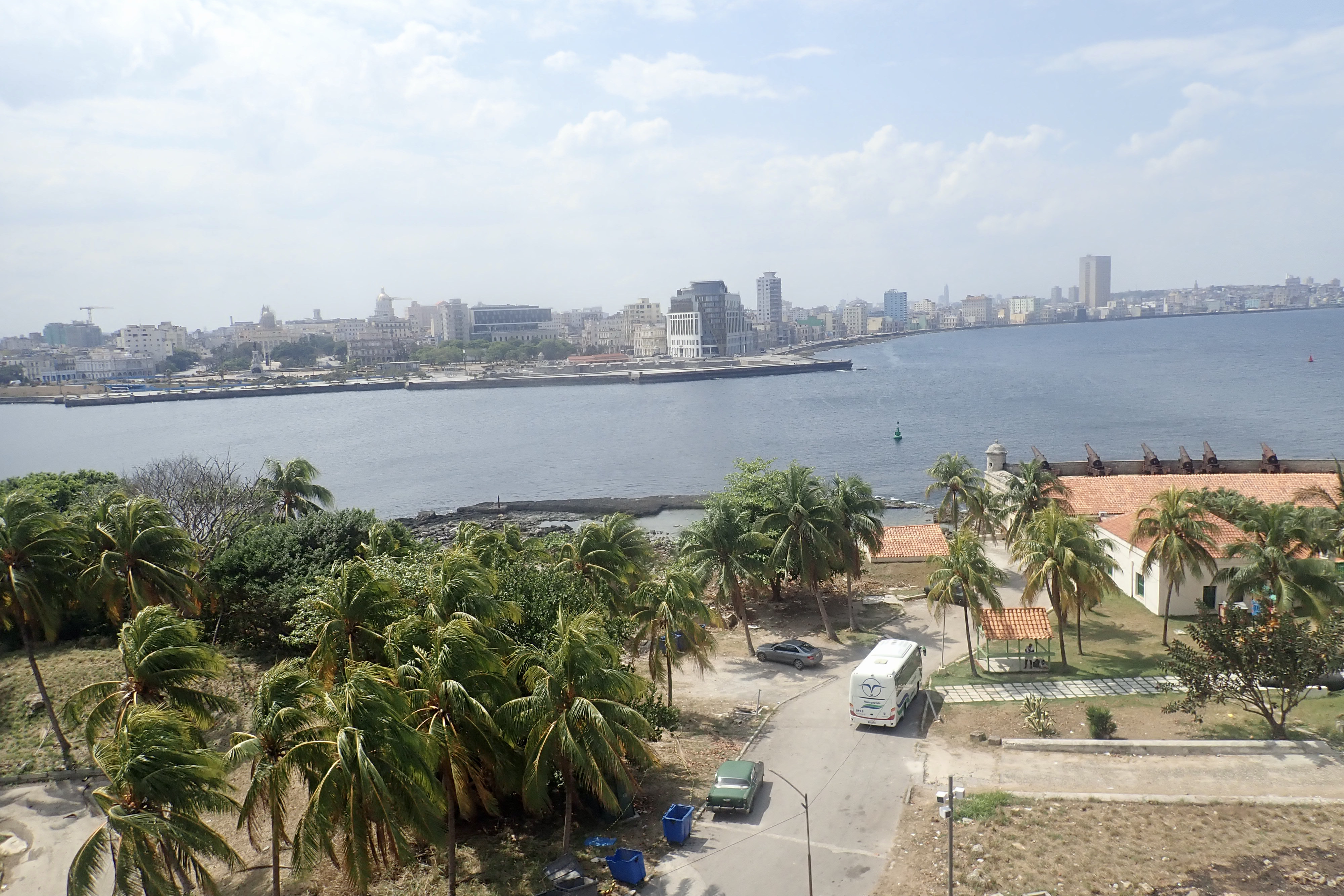
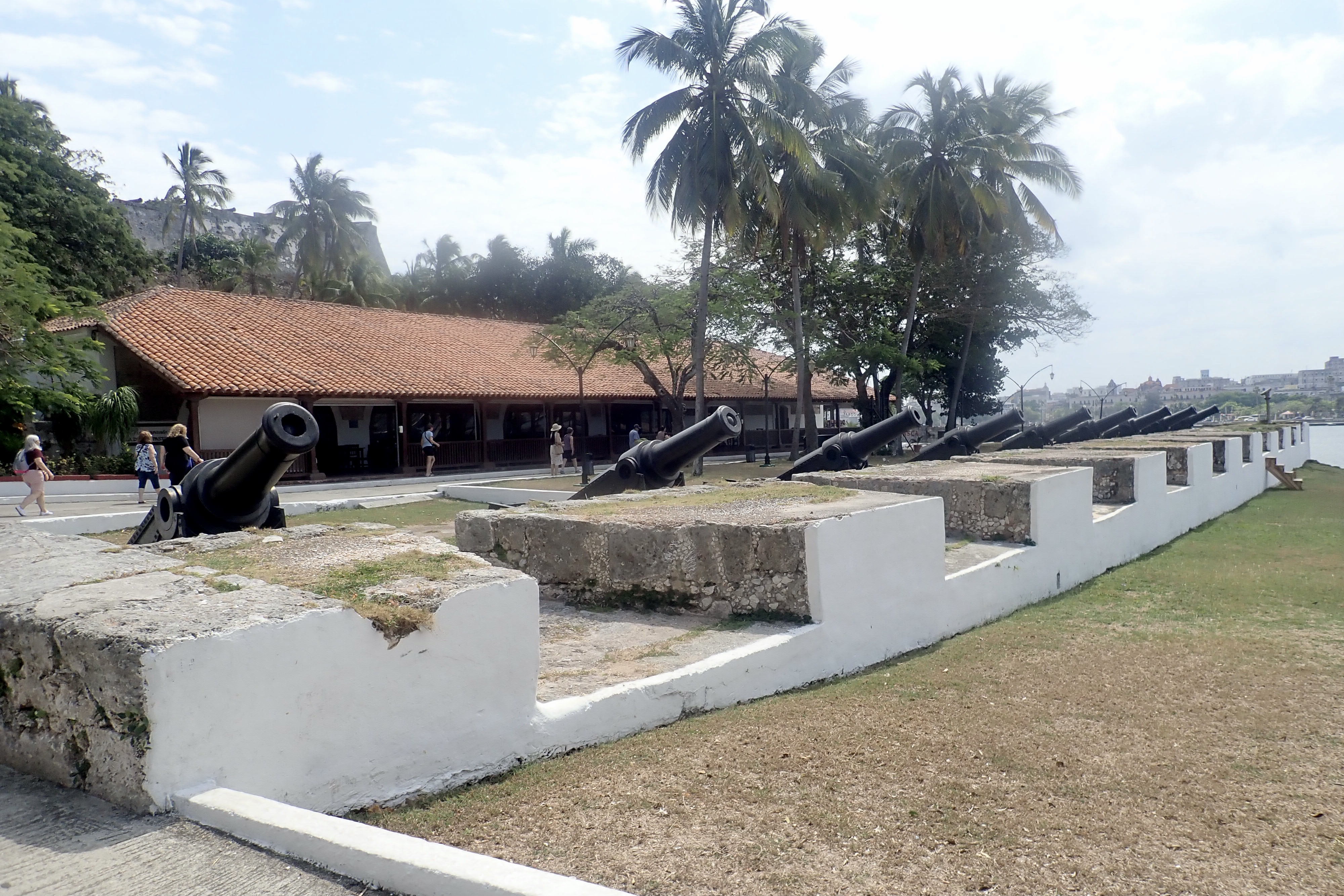
Stop #3: Castillo de los Tres Reyes del Morro built to protect Havana’s harbor.

Next, lunch at a state-run restaurant, La Divina Pastora

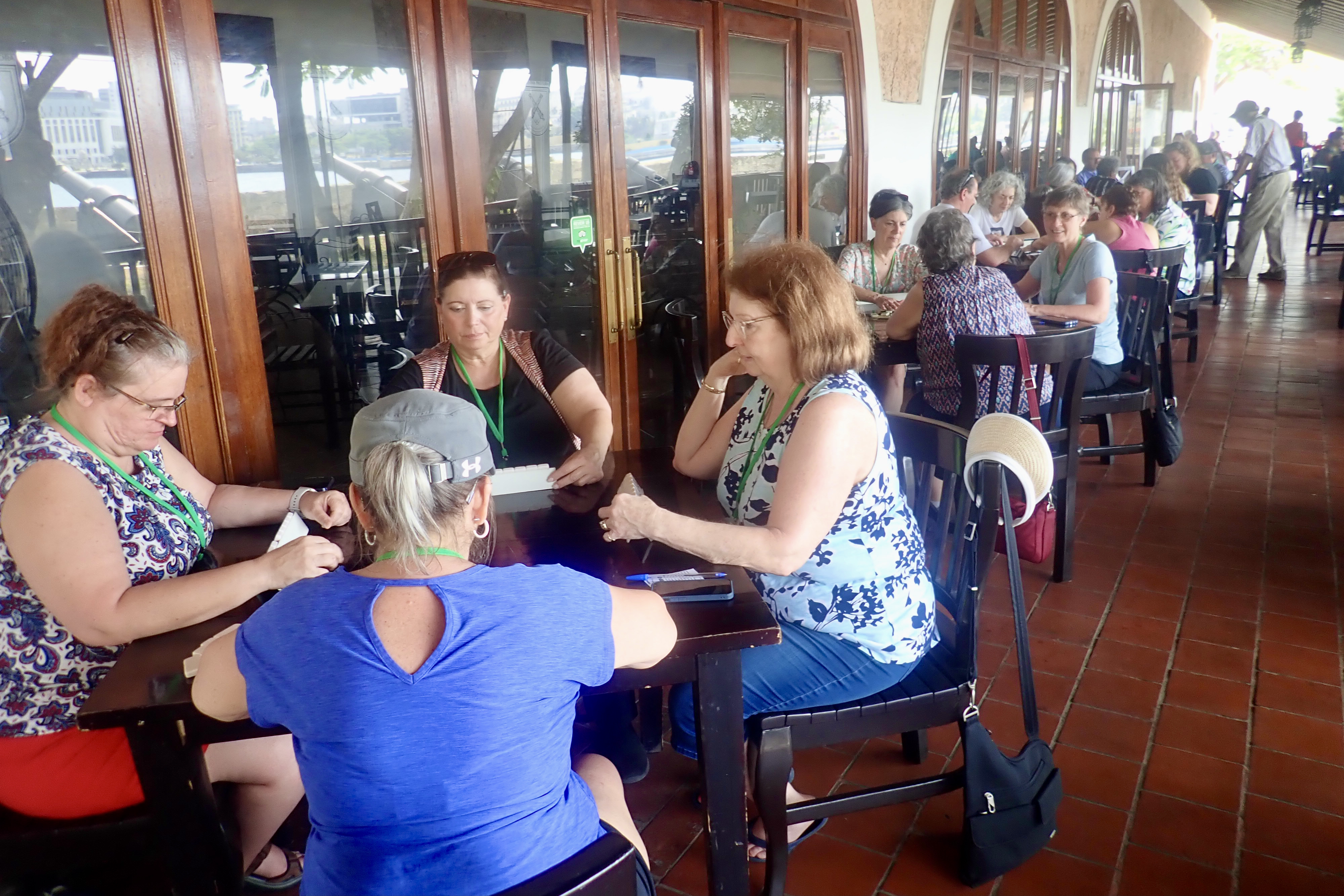
followed by a Cuban dominoes lesson by the Cuban Double Nines champion, Mick Domino (not his real last name). 

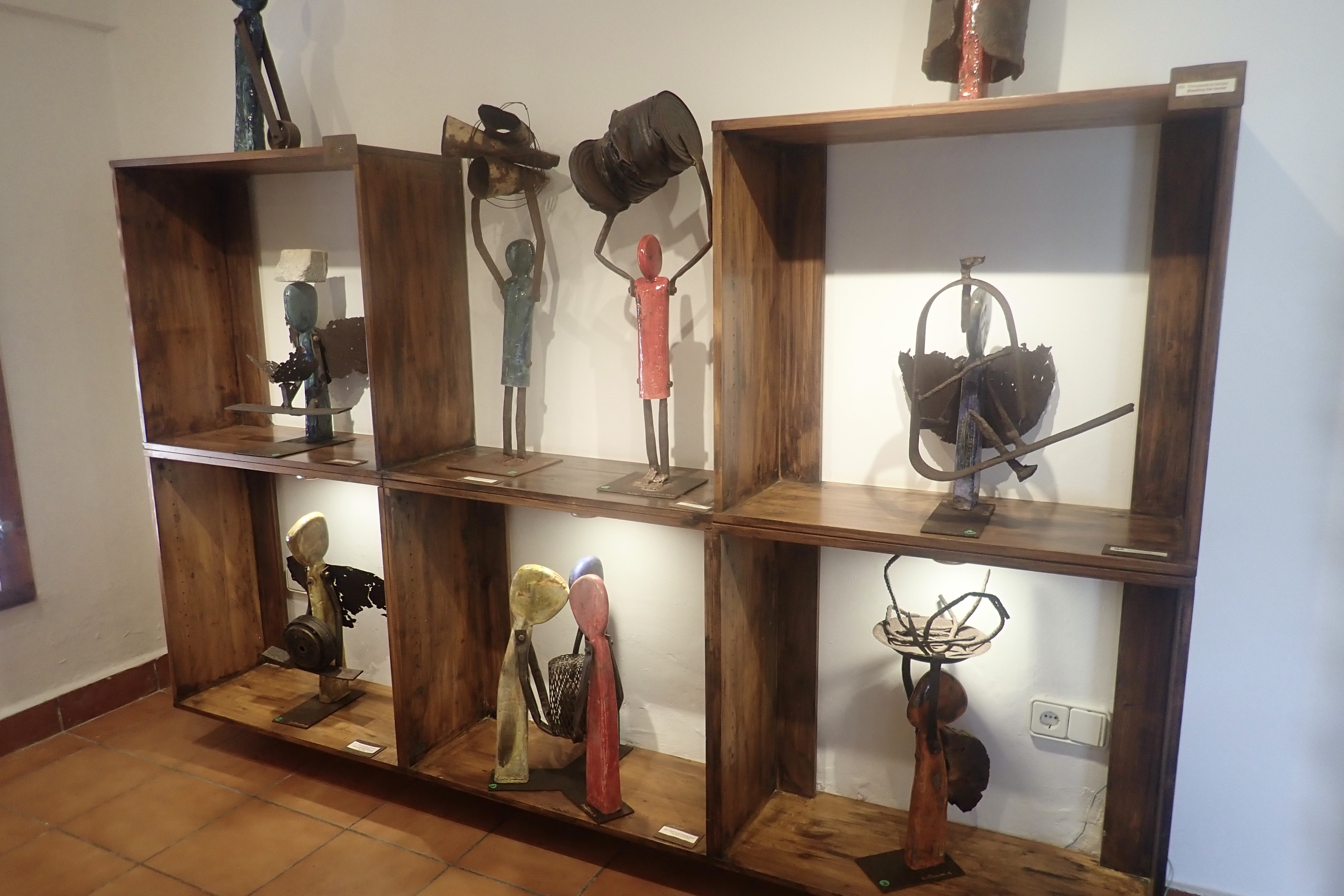
Stop #4: the art studio of Santacana

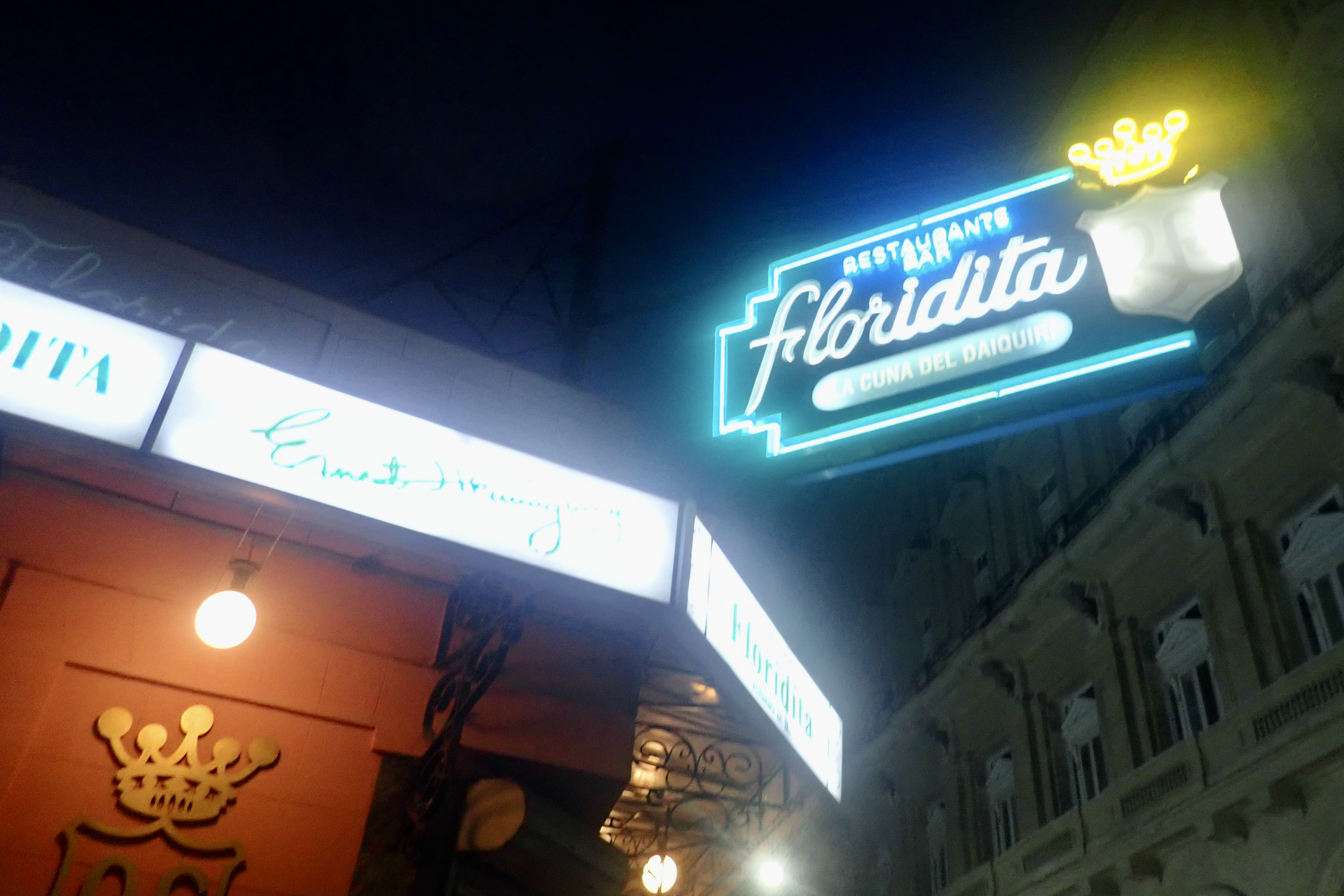
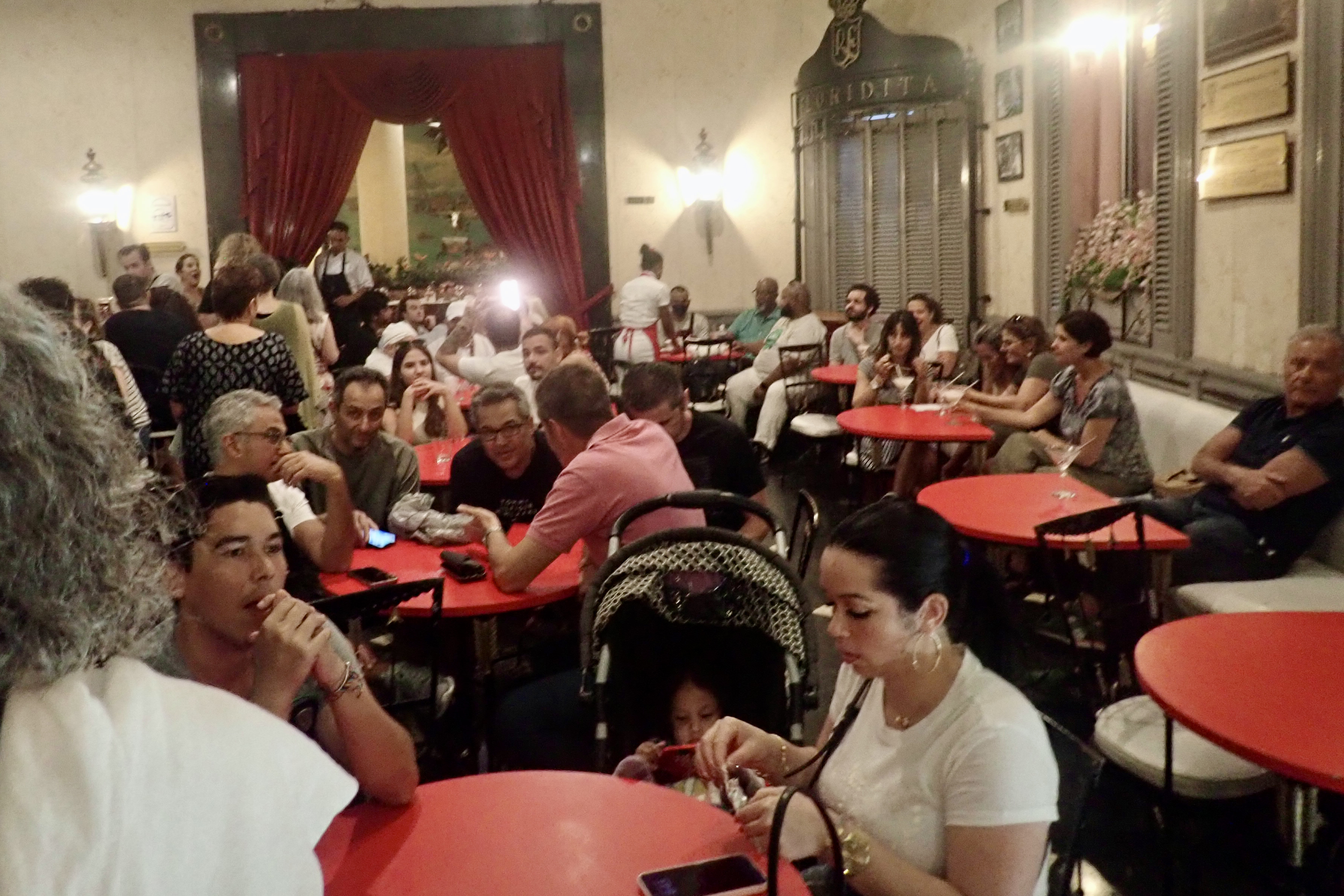
Back to the hotel for a couple of hours, time to rest before our dinner outing (stops # 5, 6 and 7 ahead). After a daiquiri at La Floridita, another favorite bar of Ernest Hemingway.

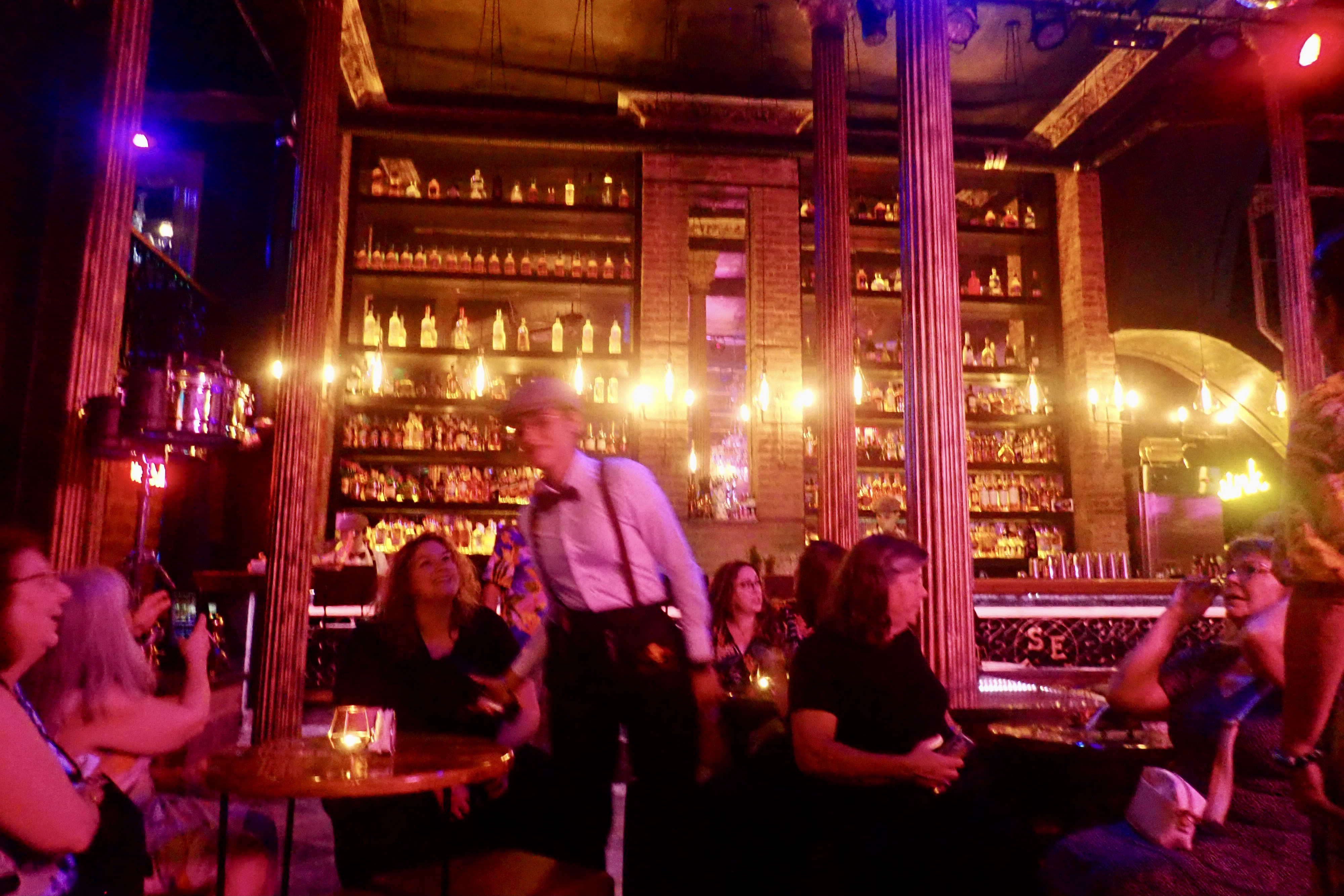
we had dinner at a “speakeasy,”

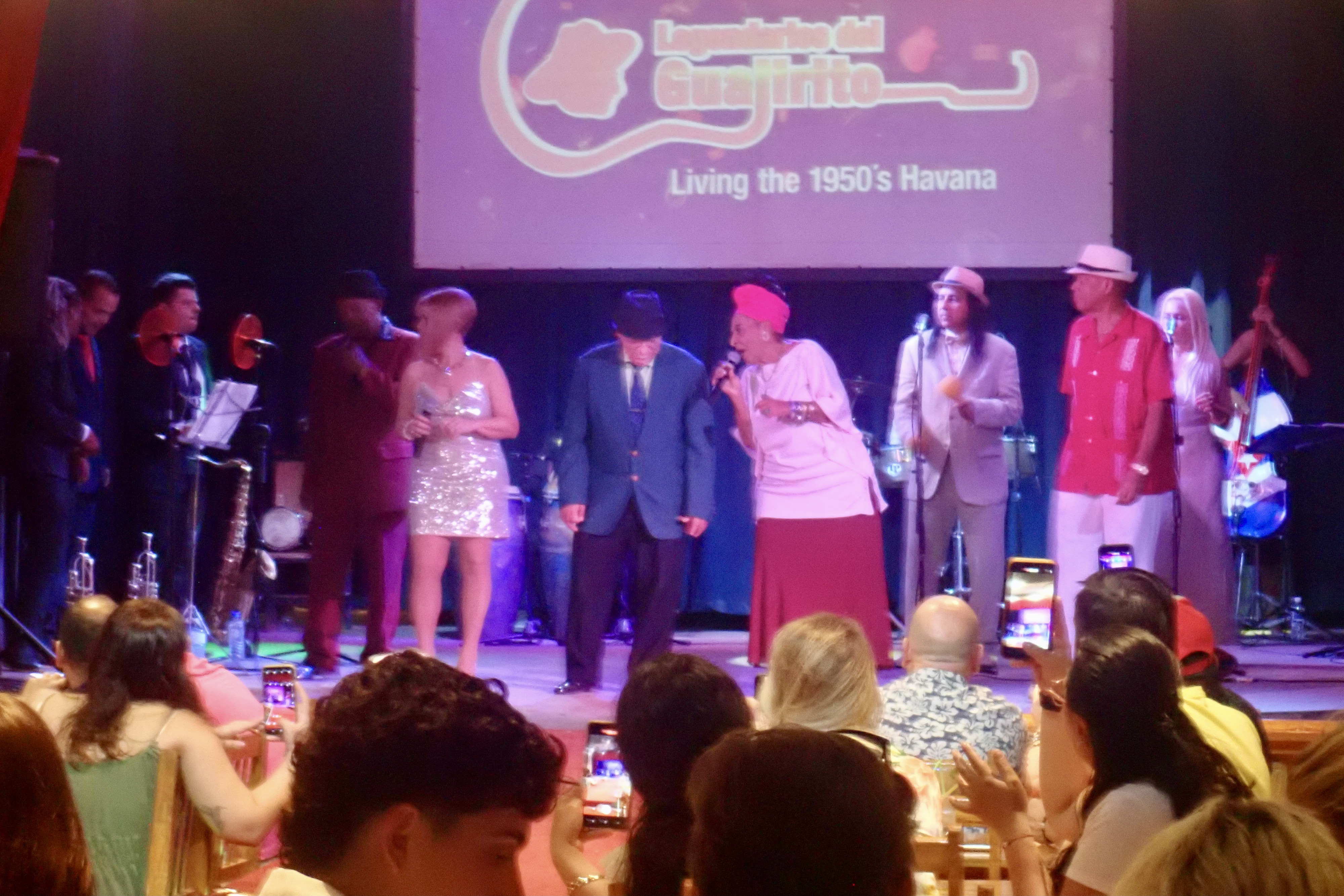
followed by a performance by a Buena Vista Social Club tribute band and singers.

Cuba – day 2

Bienvenidos a Cuba. Havana Cuba, the morning view from my hotel room:

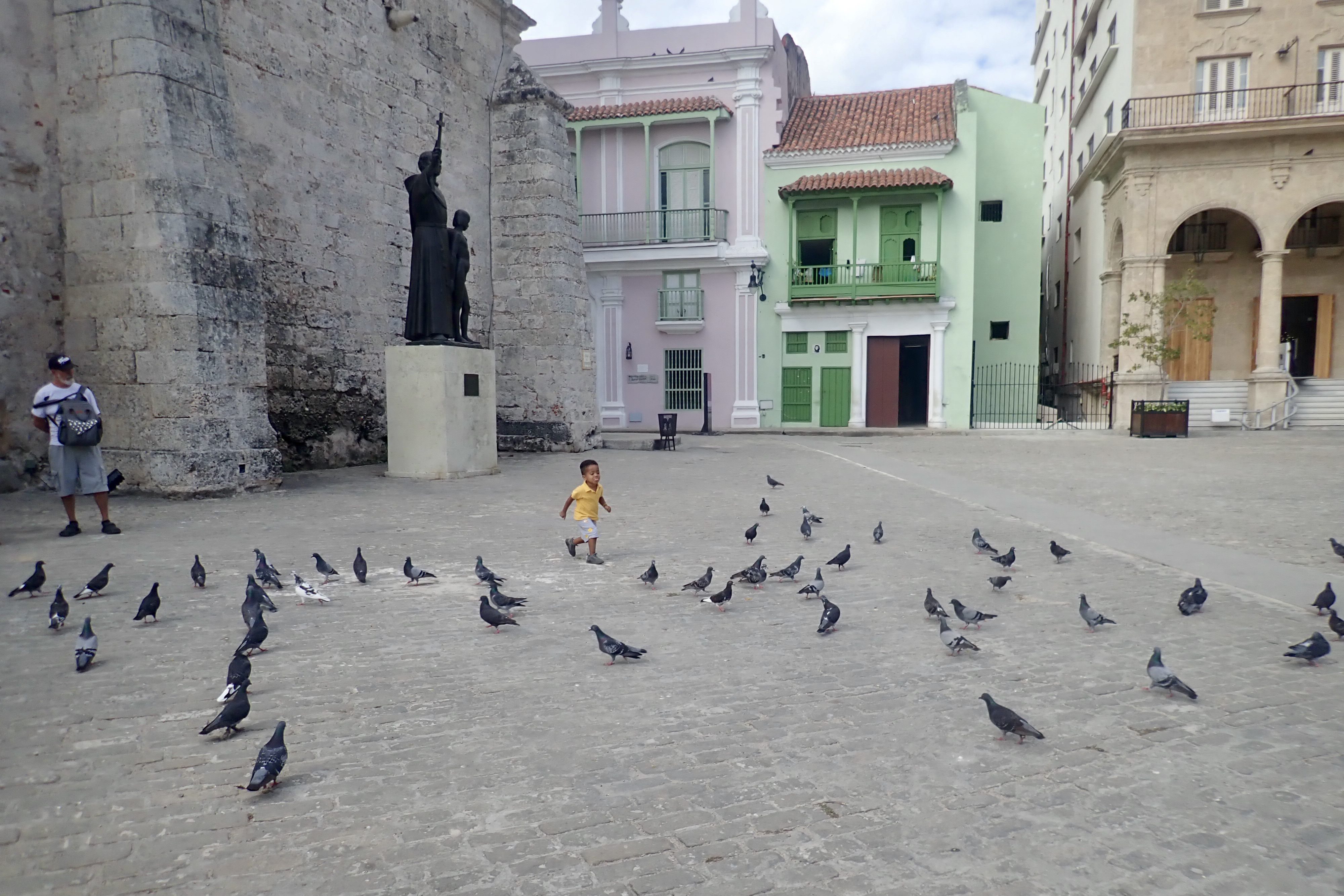
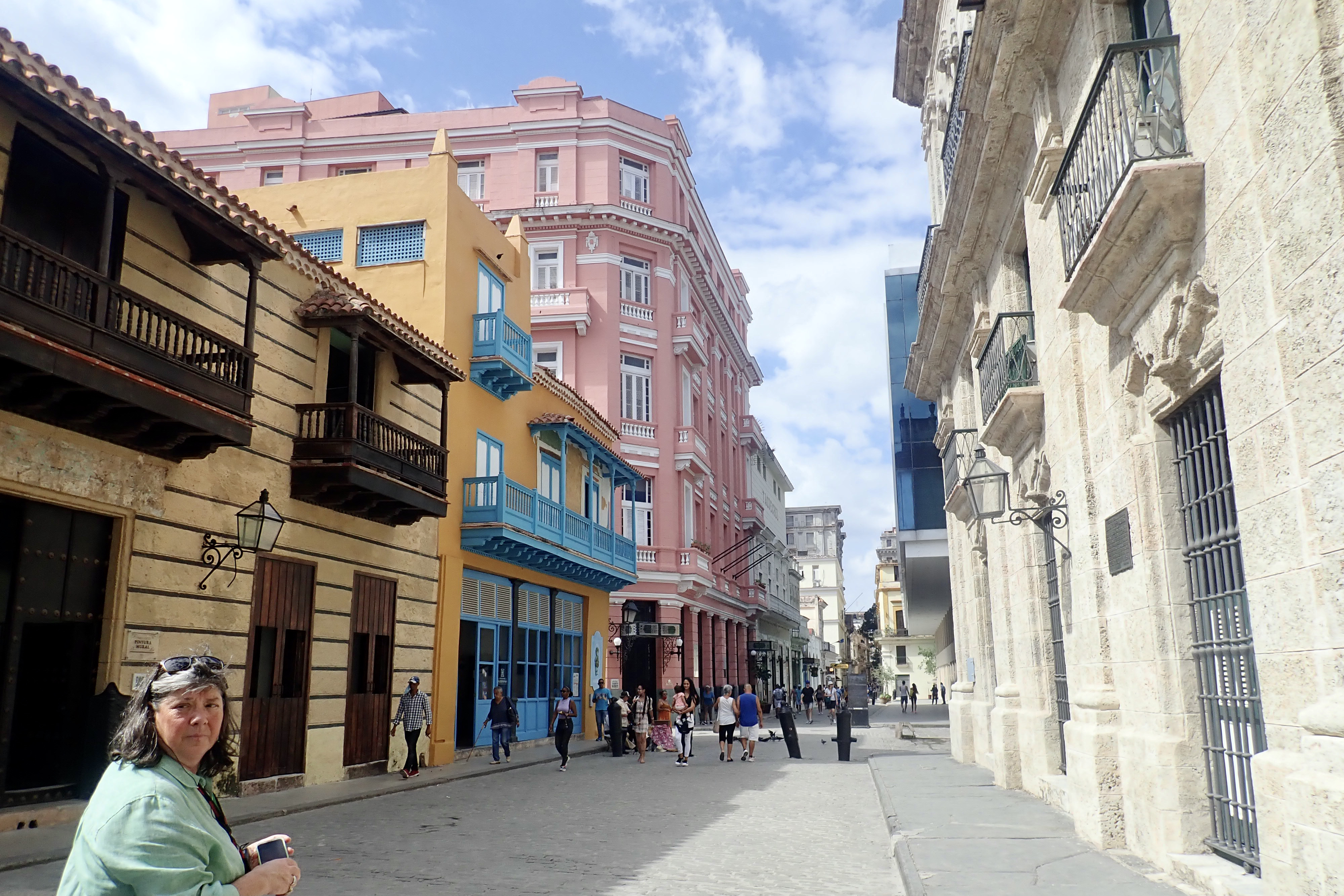
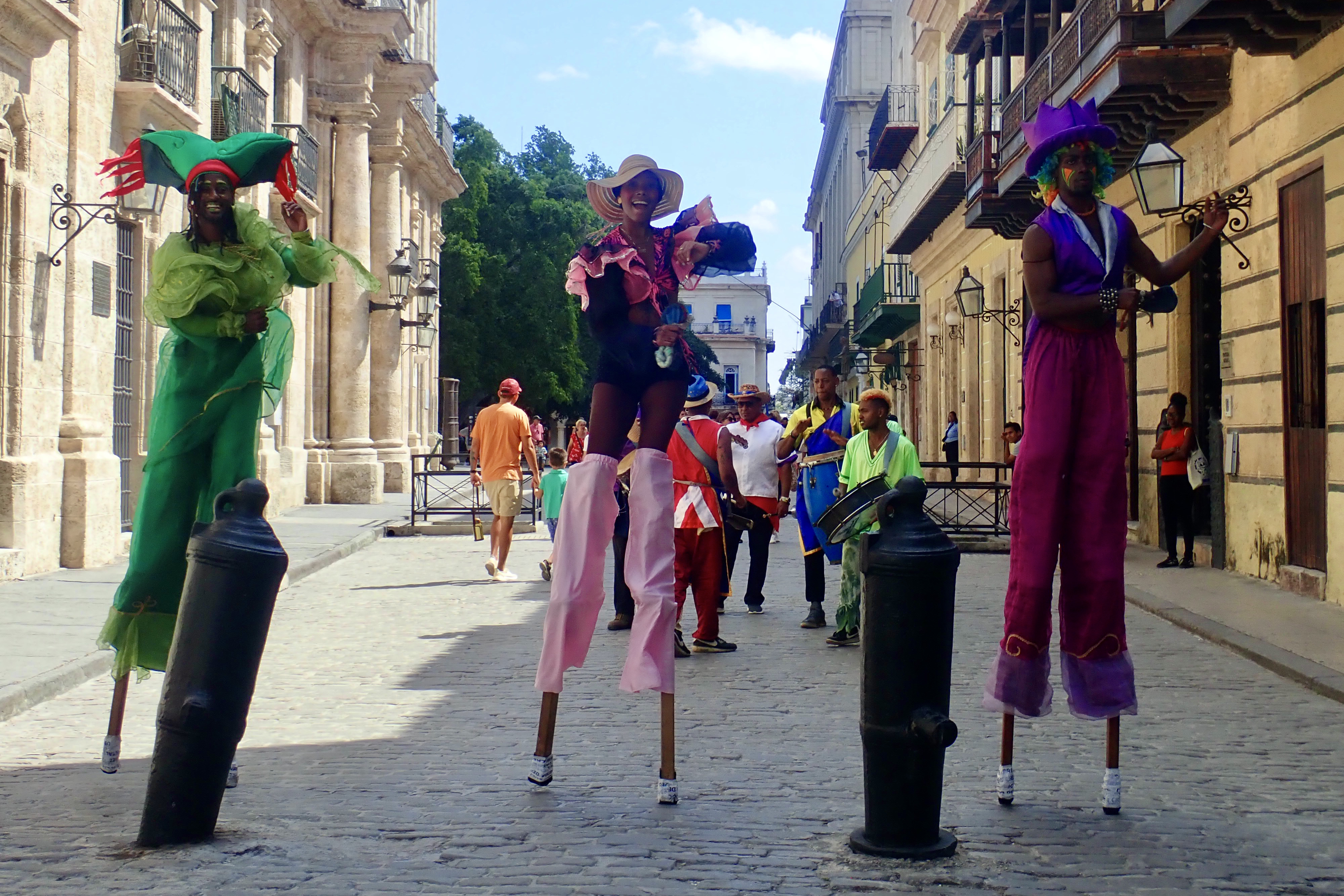
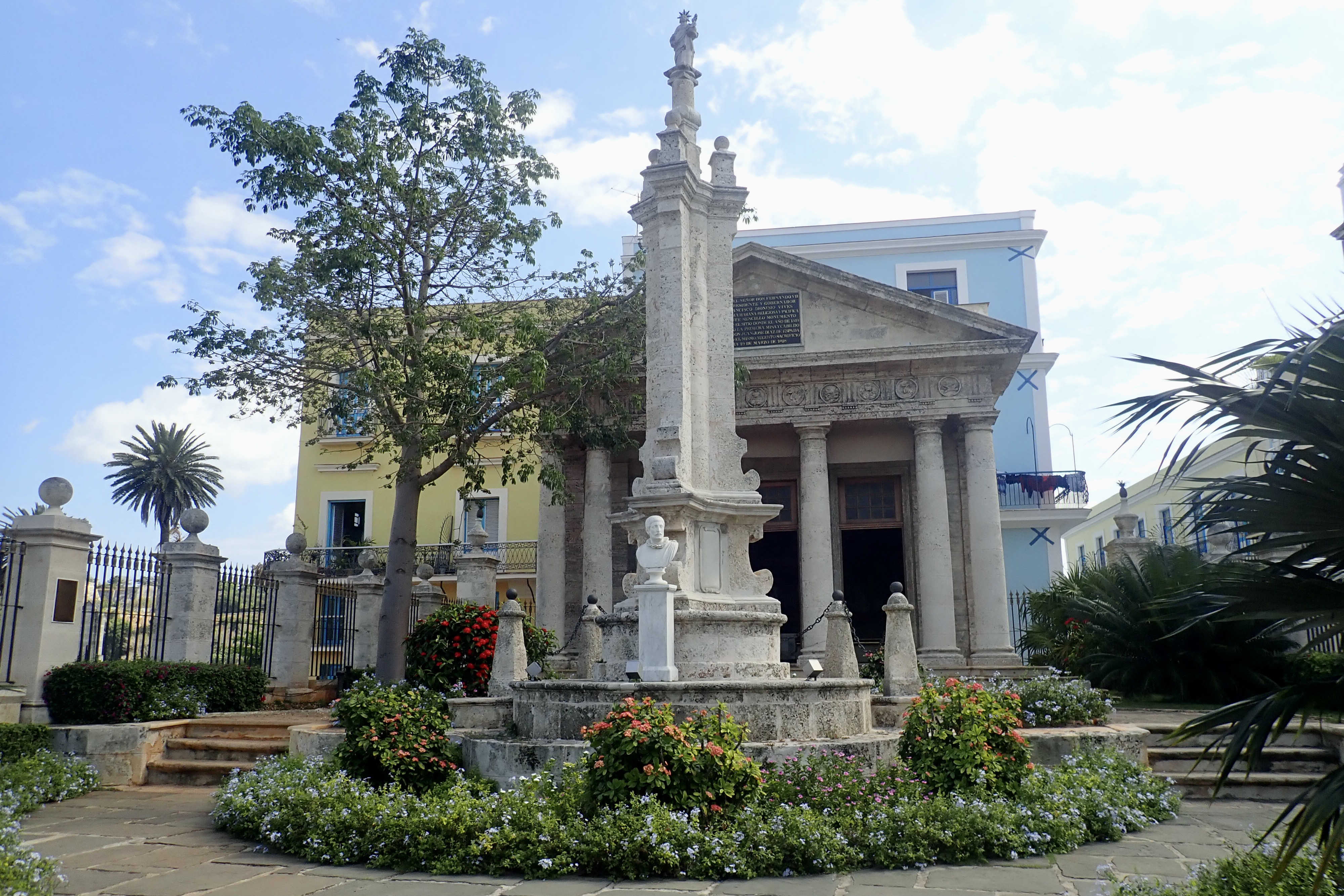
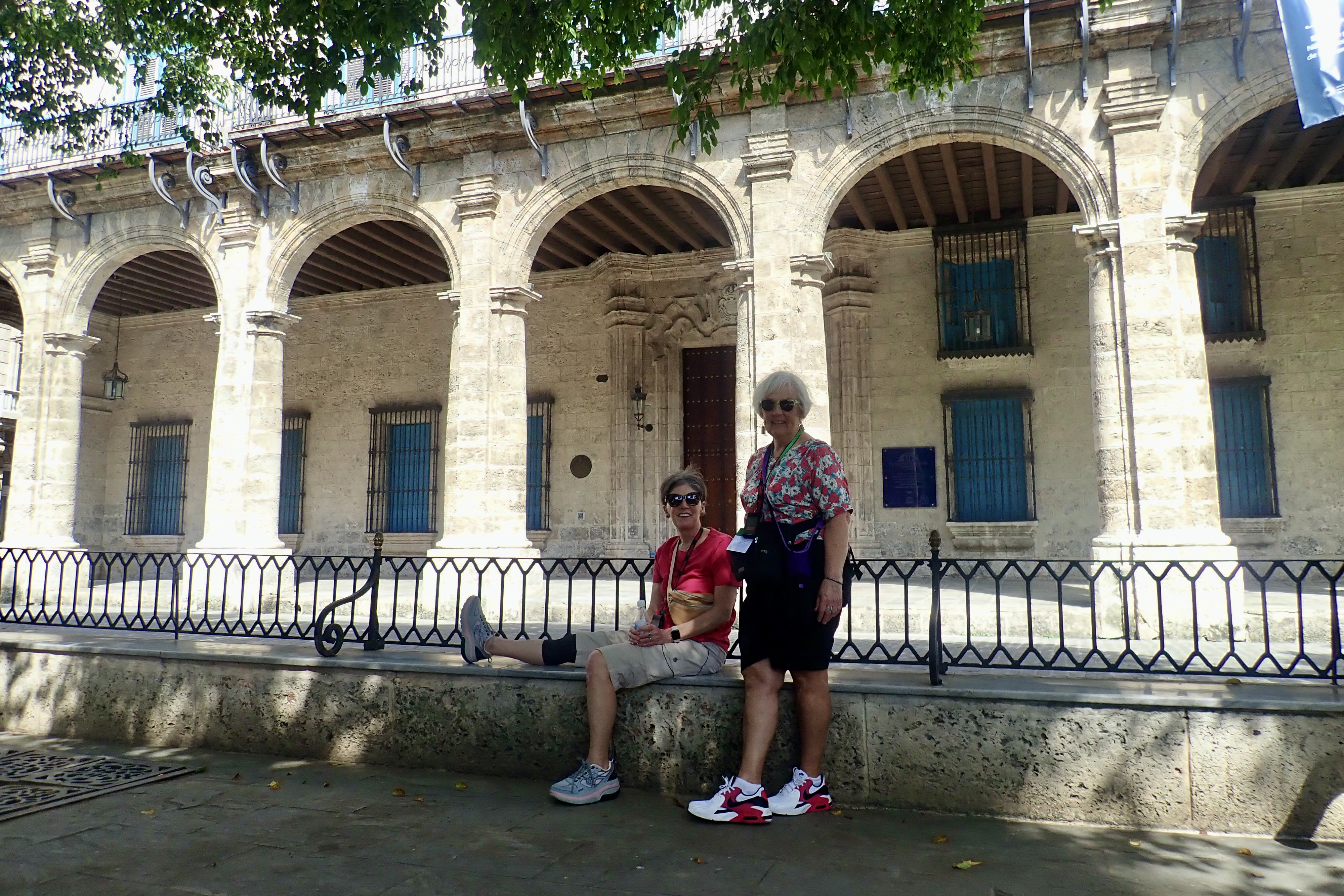
We took a tour bus to the area of the city known as Old Havana and we walked and walked. Plaza de San Francisco aka Pigeon Plaza:

The pink hotel, 5th floor on the corner, is where Ernest Hemingway lived for 7 years.

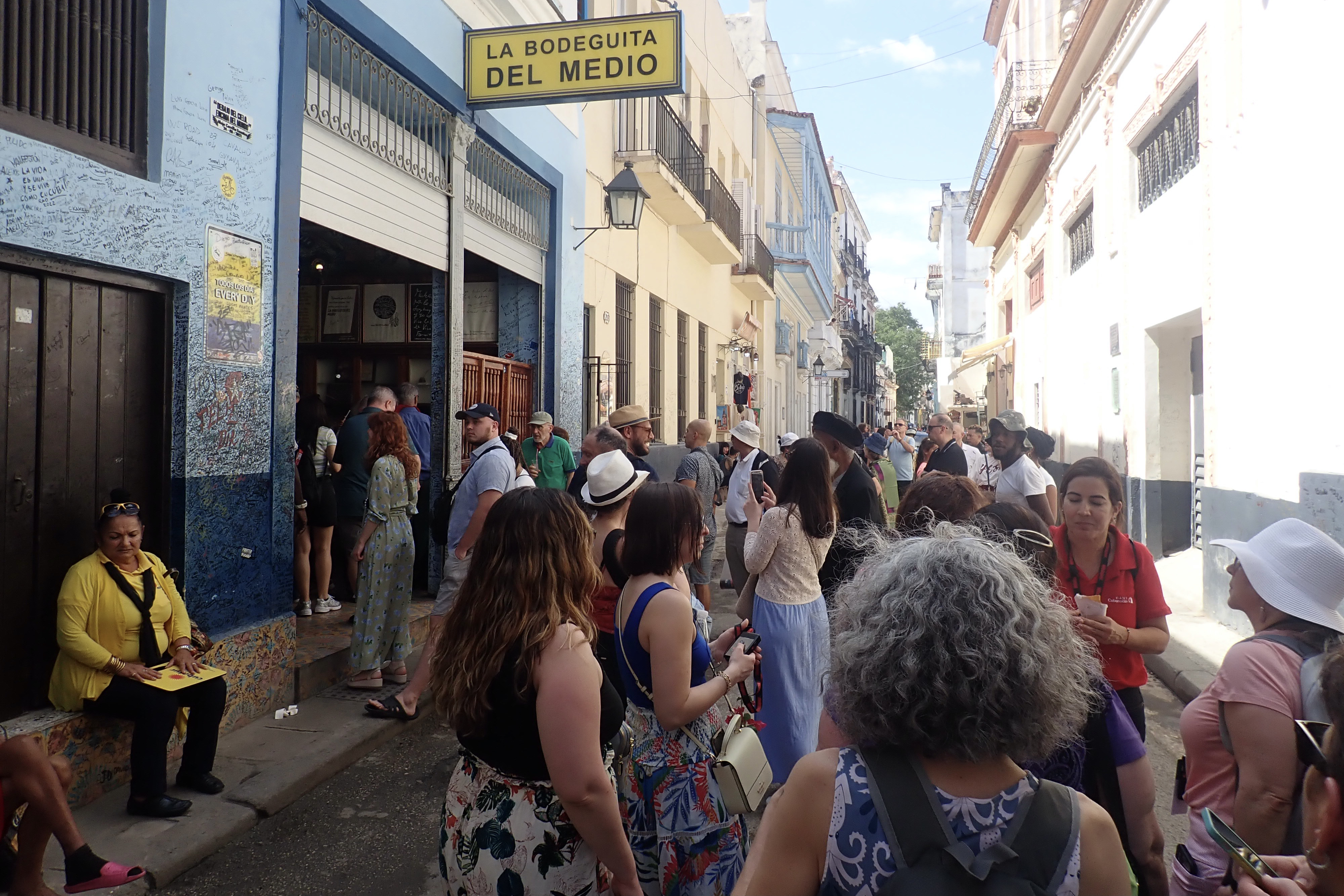
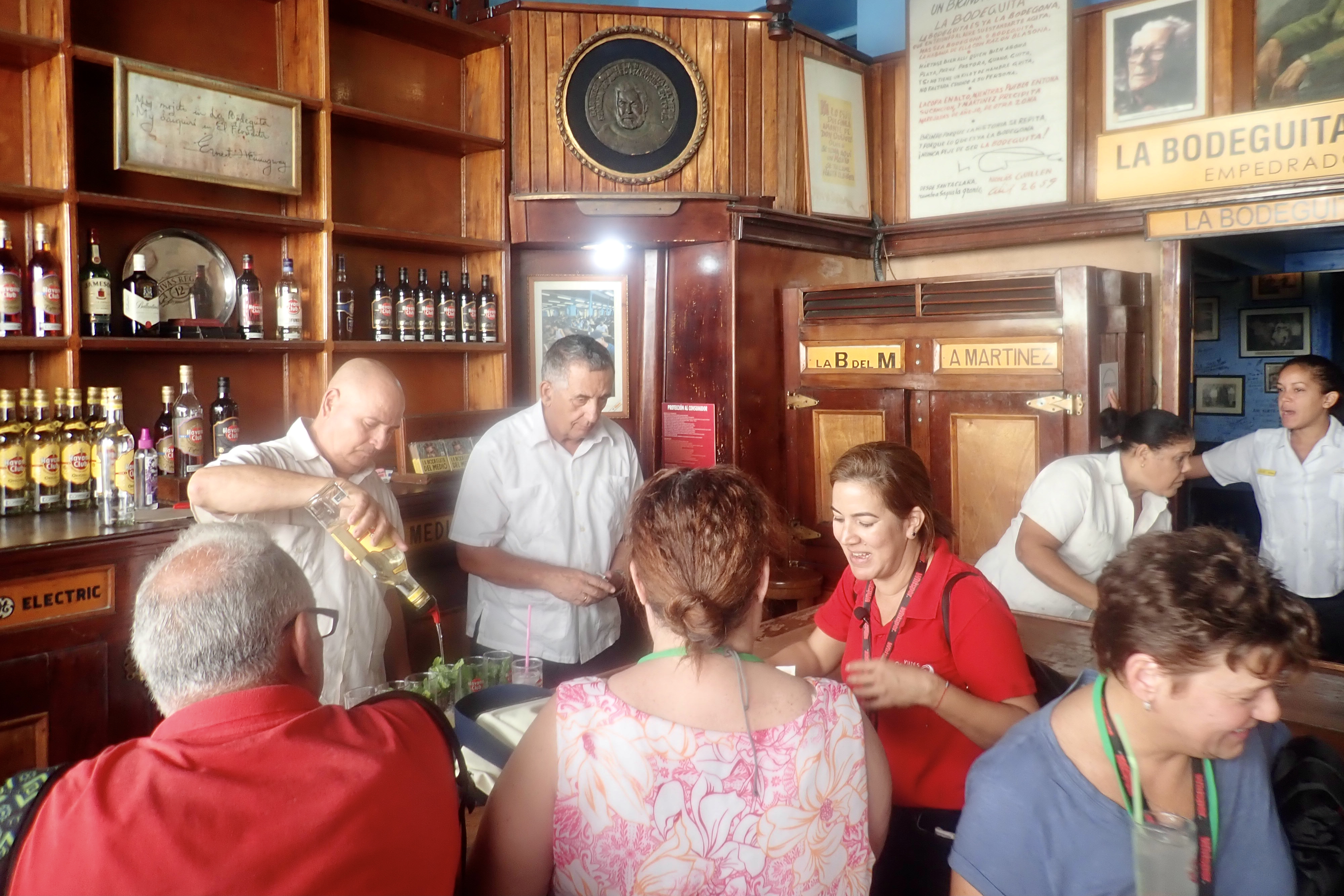
The very popular bar where Hemingway drank mojitos. We all had one.

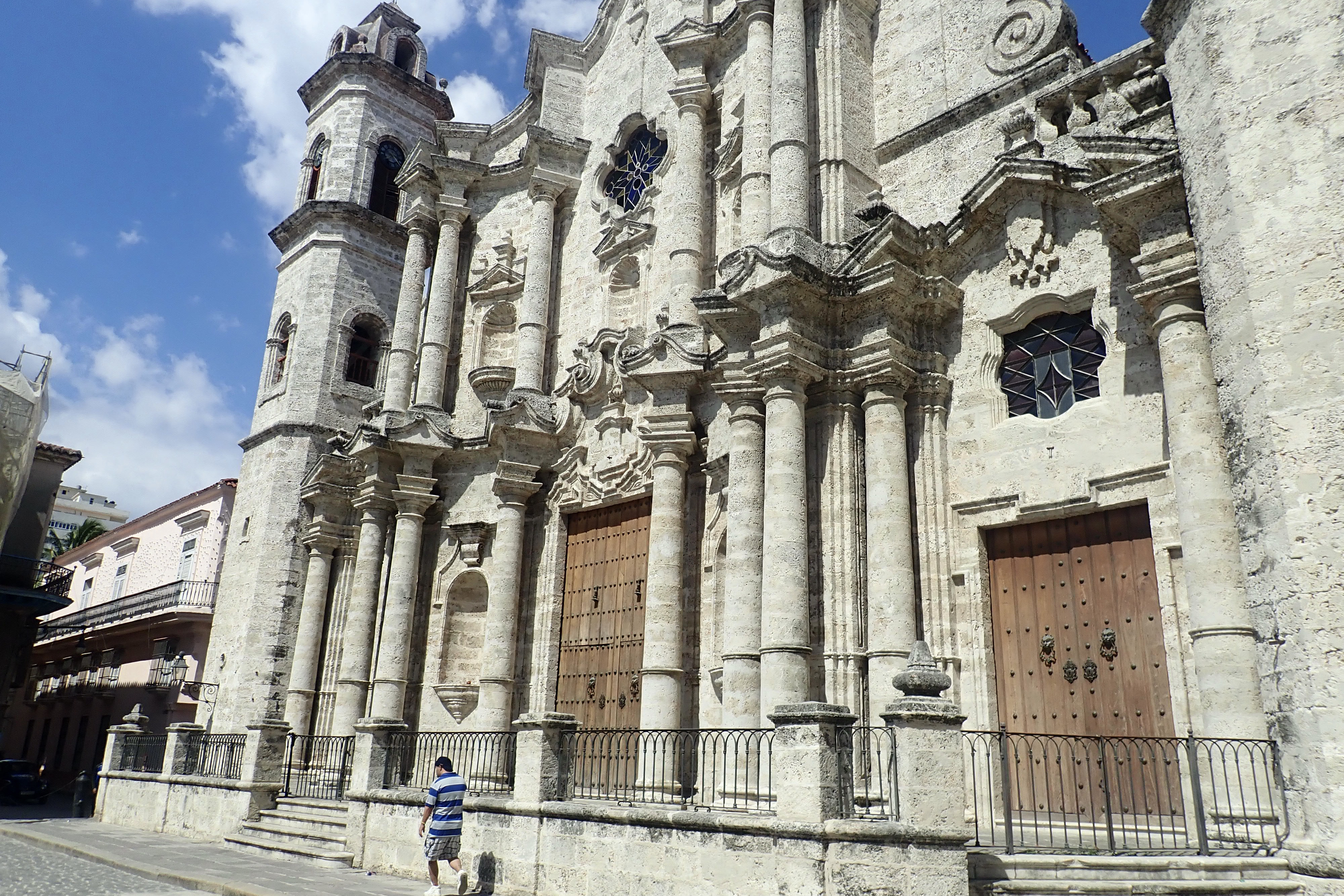
In the Plaza de la Catedral:

Traditionally, Saturday is laundry day. Who needs a dryer anyway?

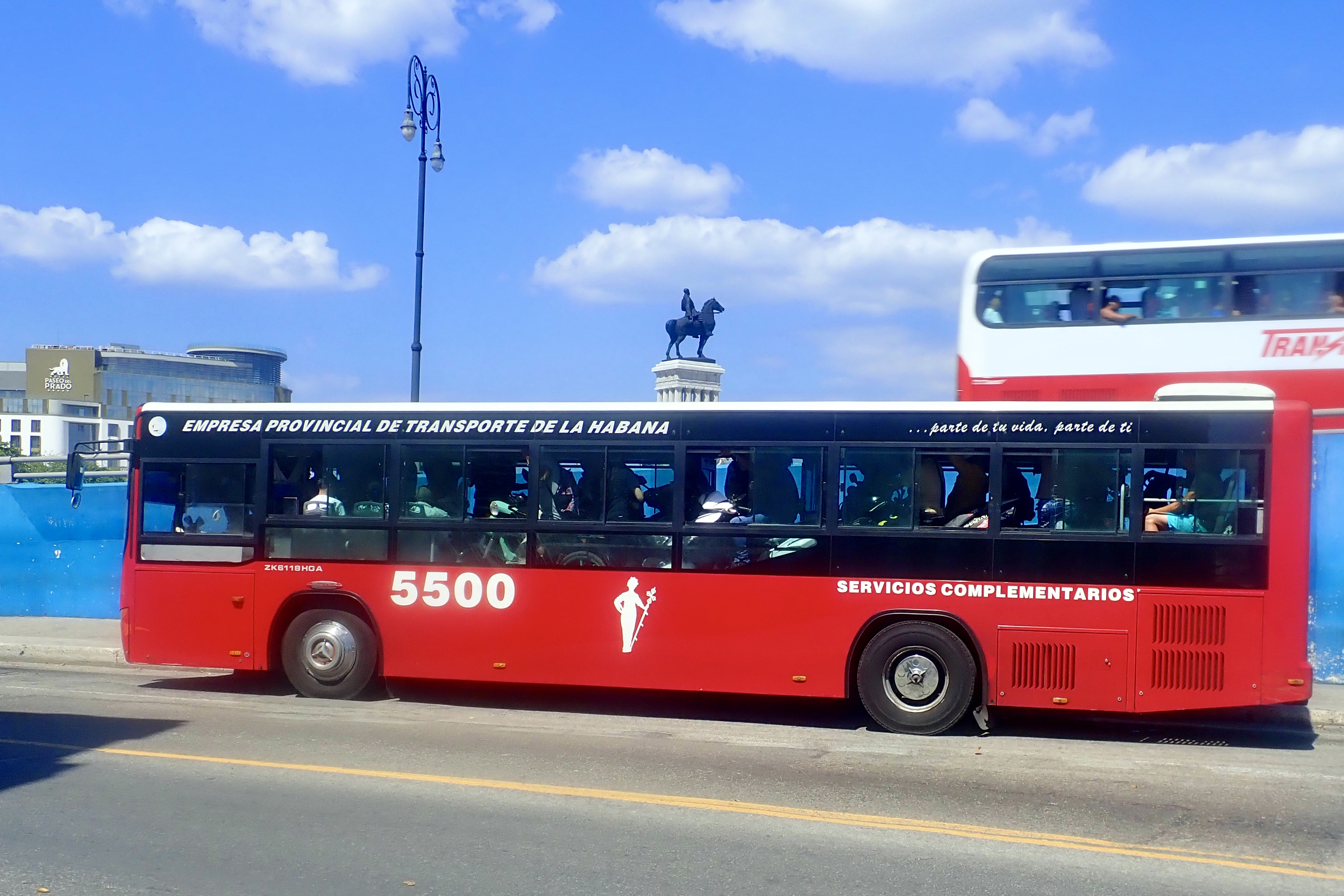
A public bus. First the motorcycles are loaded, then they see how many people can fit. 

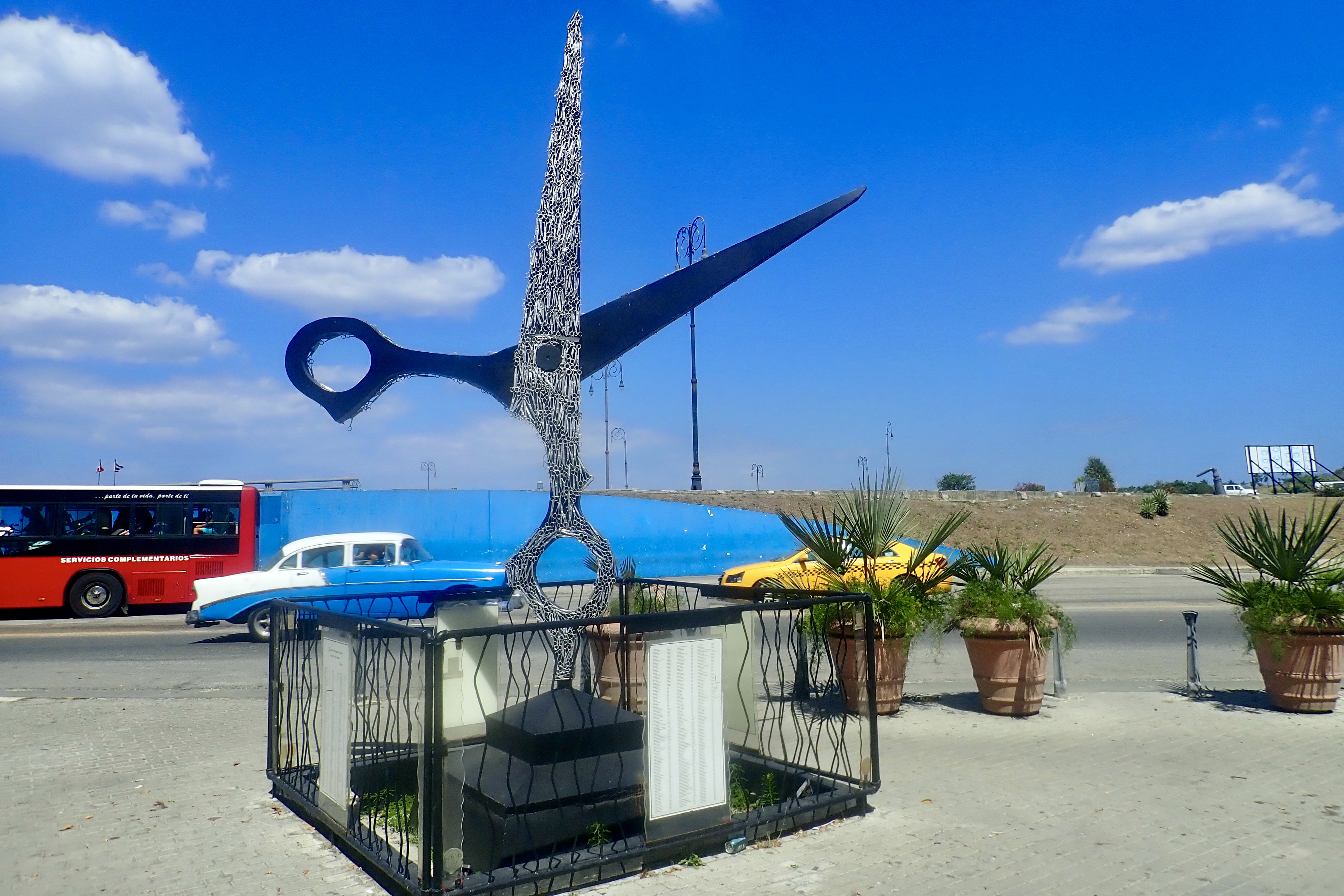
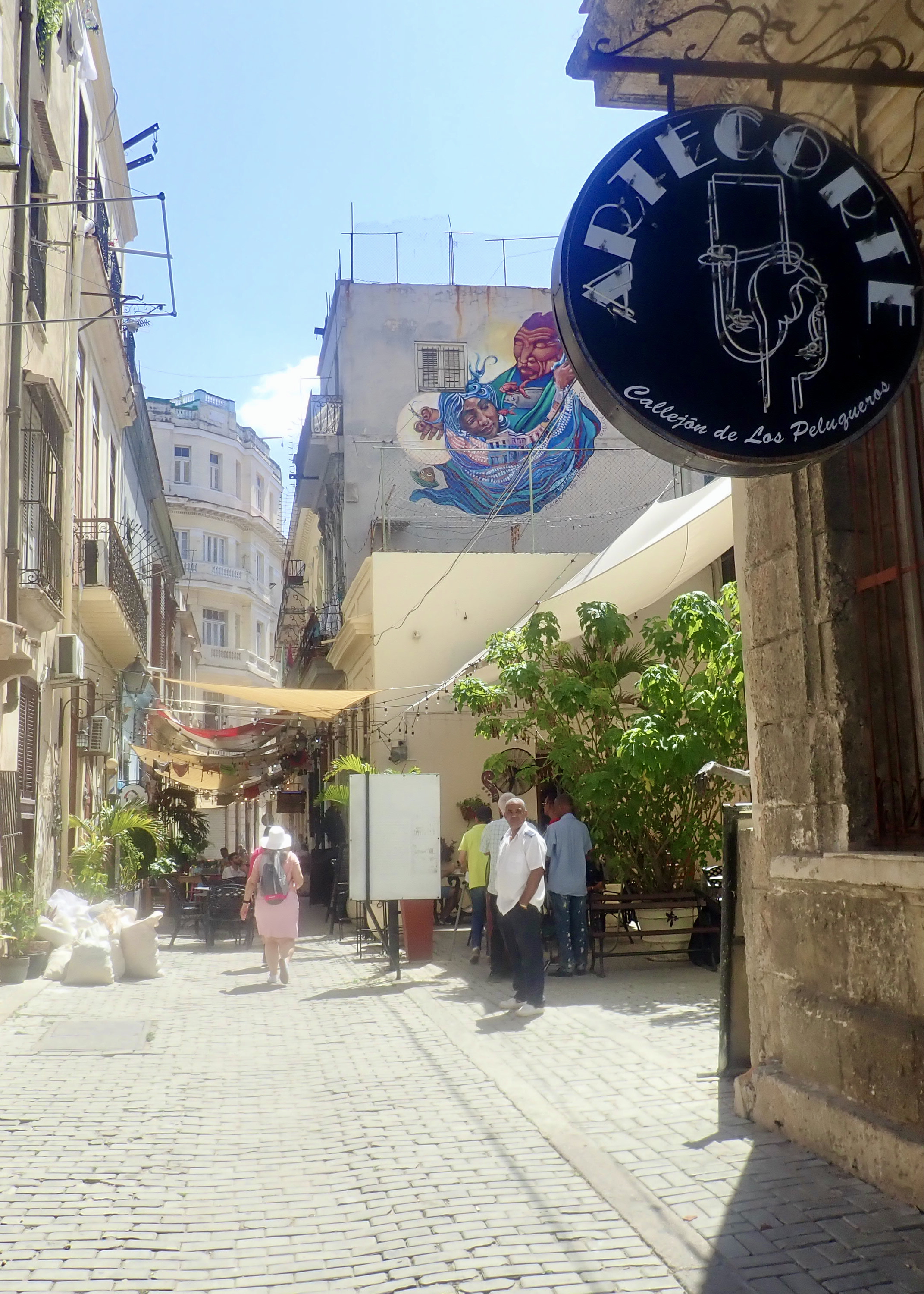
Arte Corte: a community enhancement project on one of the streets, centered around a hair salon and a barber school. Hair cutting scissors from all over the world have been donated and attached to this sculpture. It’s not finished.

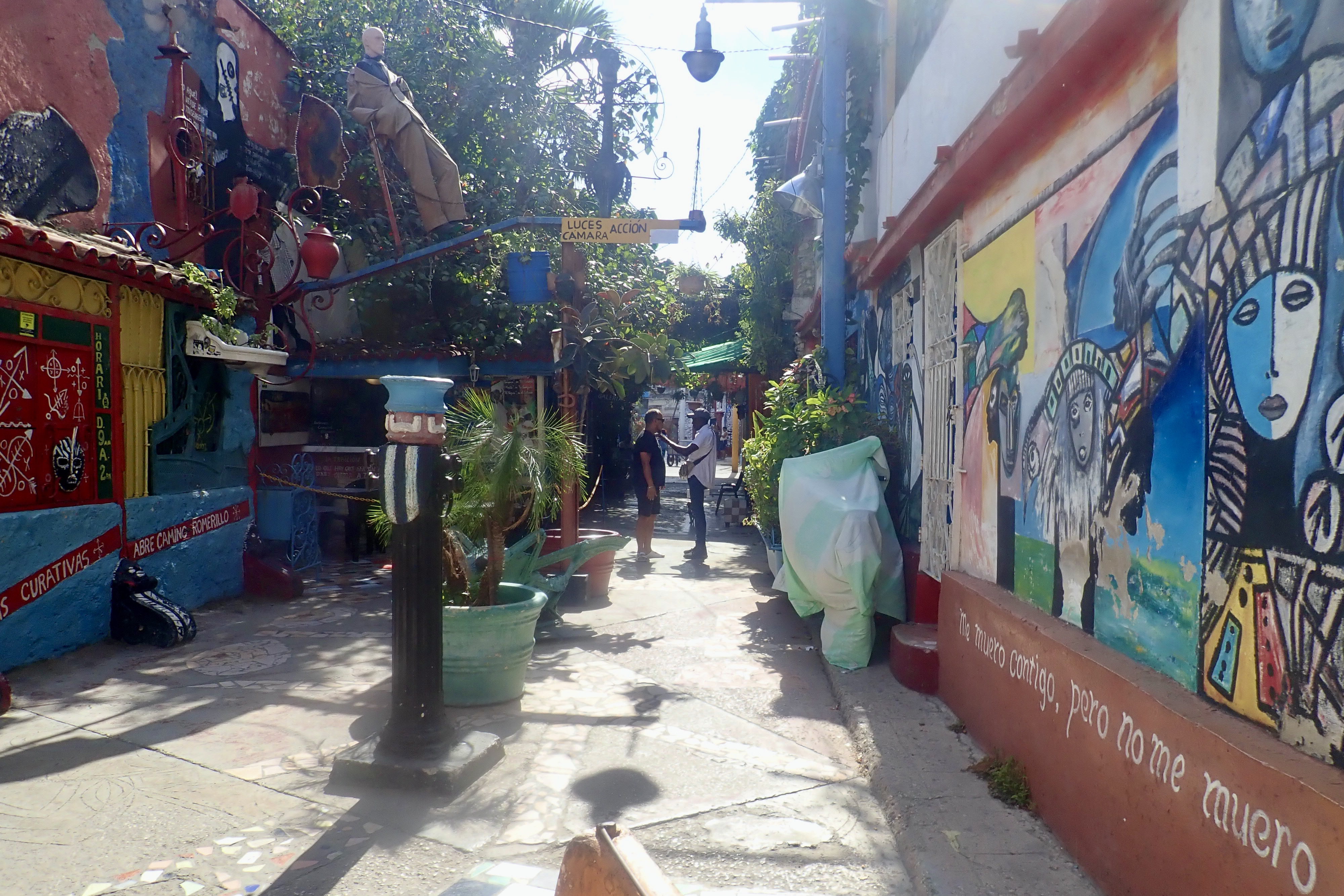
Hamel Alley, a community project dedicated to art.

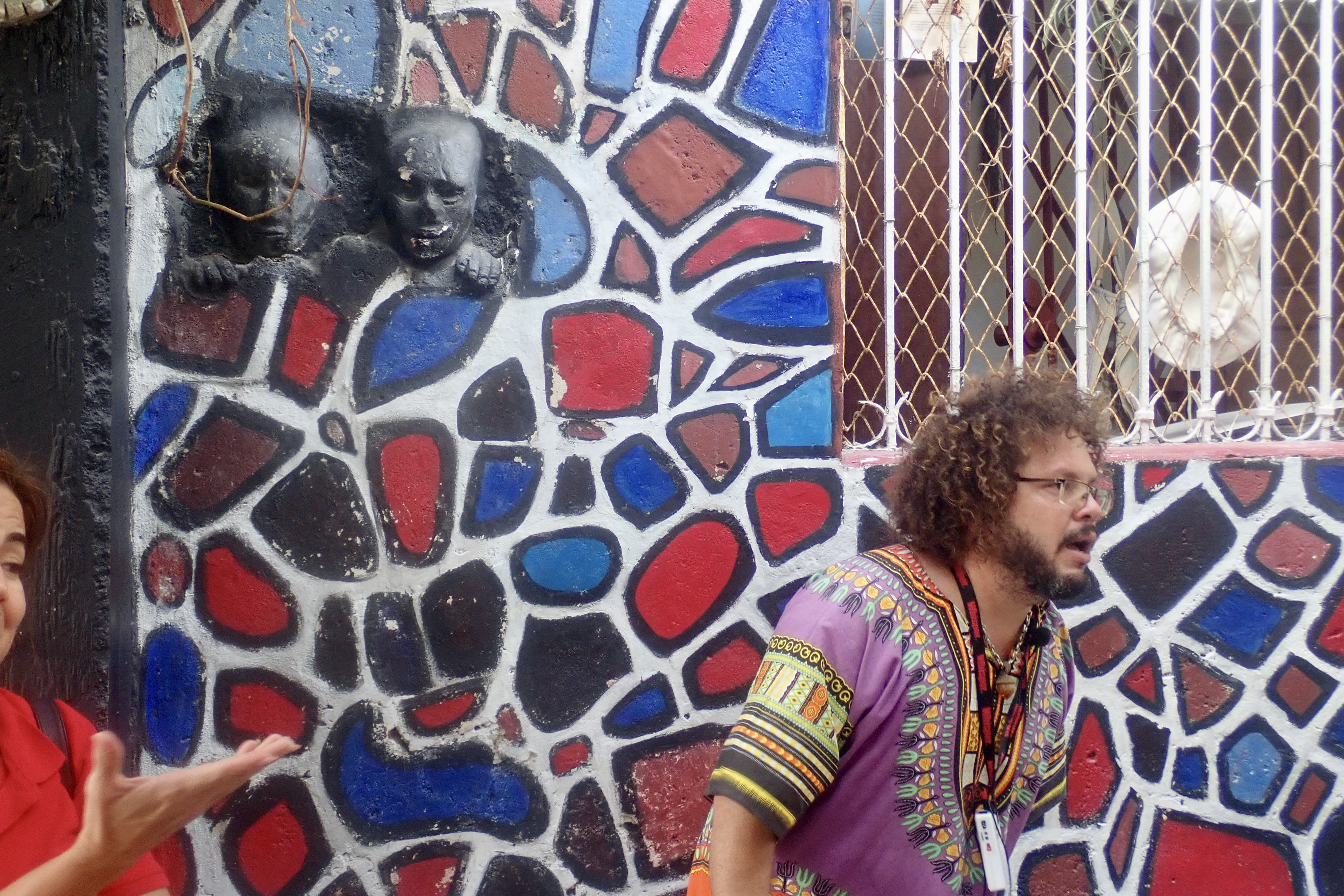
A local explained the connections between religions in Cuba, including Santeria. 

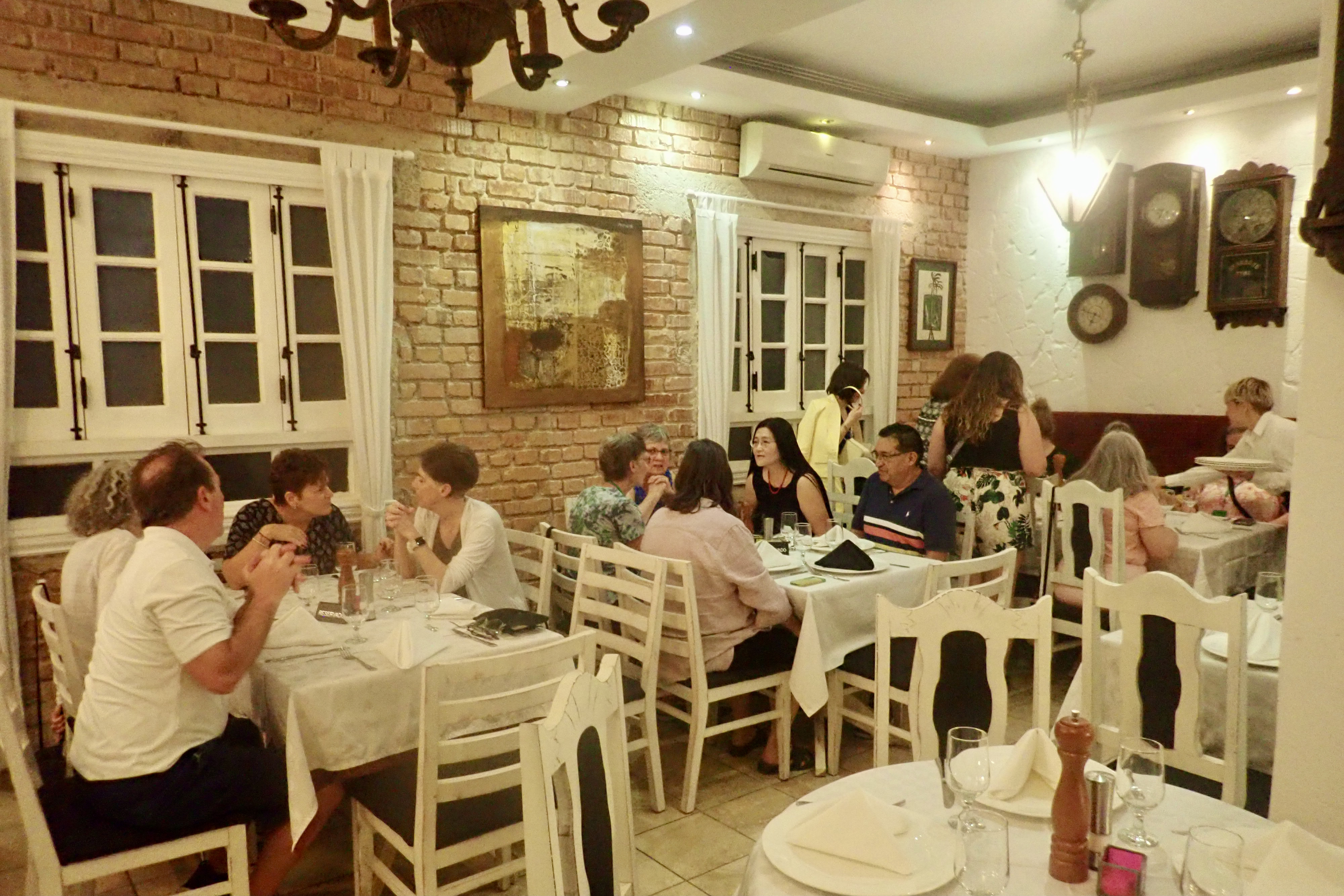
Lots of walking today. Everyone is quite tired. After a 2-hour break in the late afternoon, we boarded the bus again and went out for dinner. Dinner was at one of the many paladares in Havana – small family-run restaurants.
And we’re off …

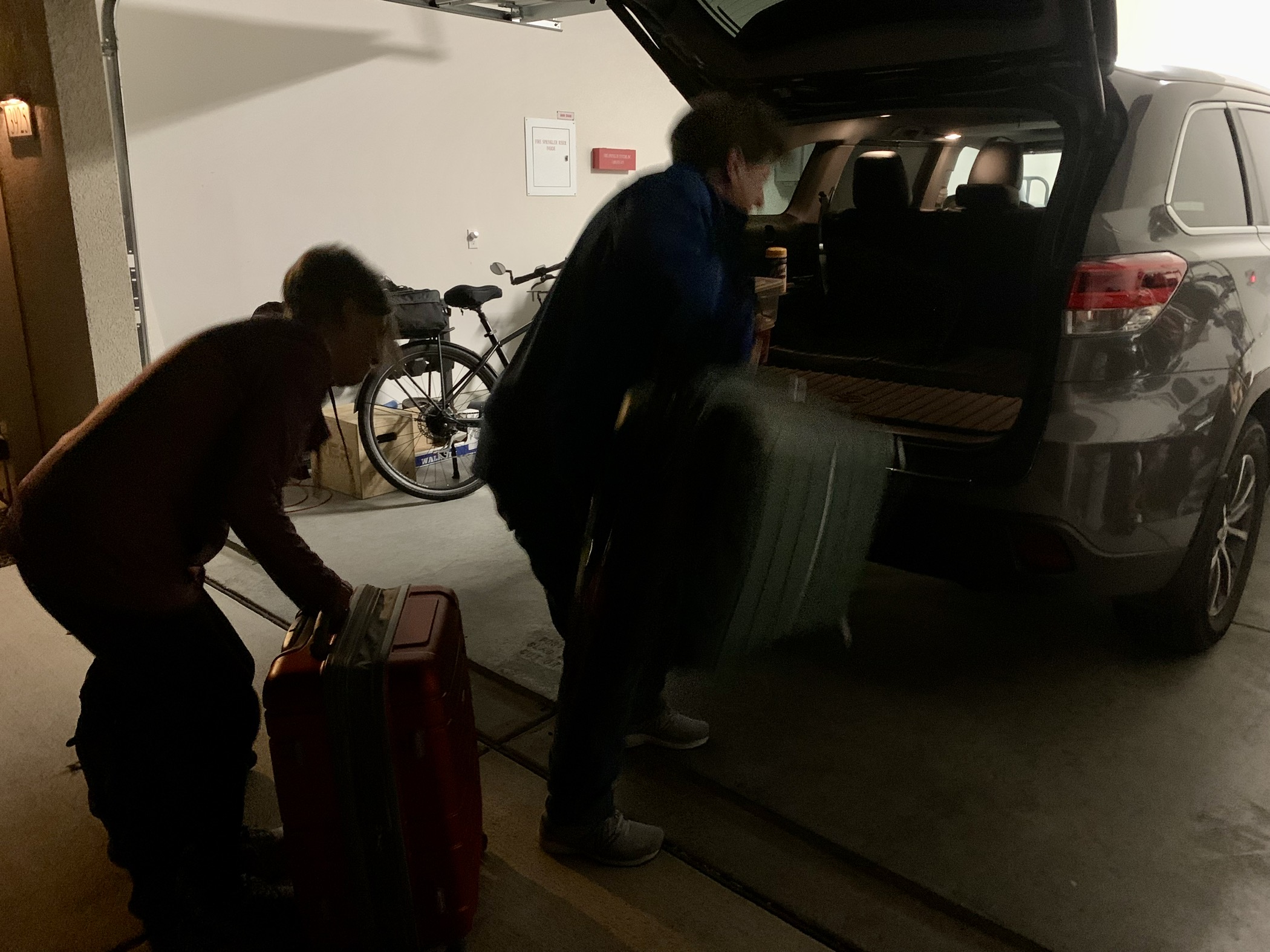
Thank you Elaine for taking us to the airport EARLY this morning. And for driving back to bring my cell phone which I left on the back seat.

Eek! A form we didn’t know we had to fill out to get a QR code in order get a boarding pass -a special requirement for the country we’re going to.

Two hiccups before 5am. After a stop in Phoenix,

One more flight .. but, to where?

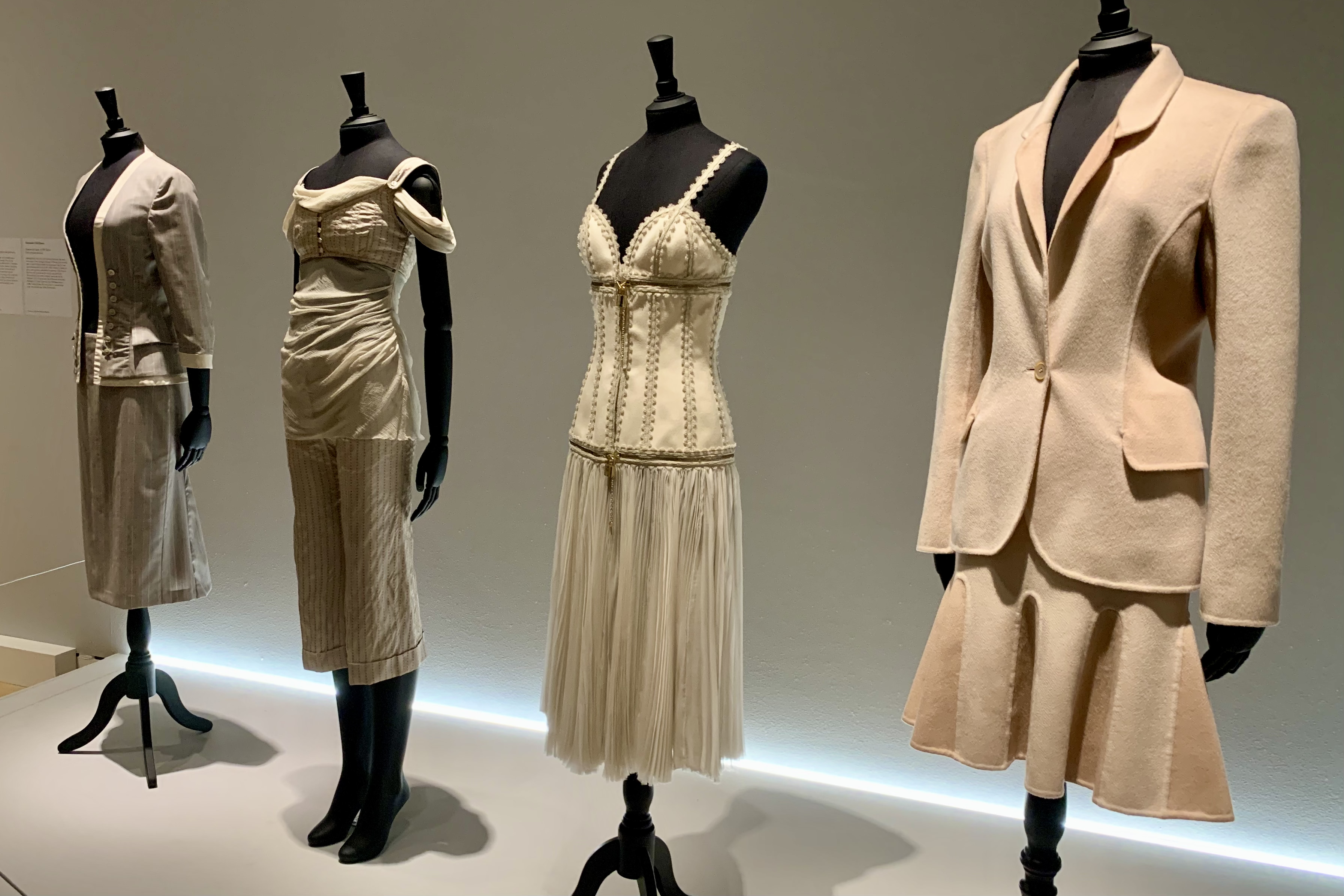
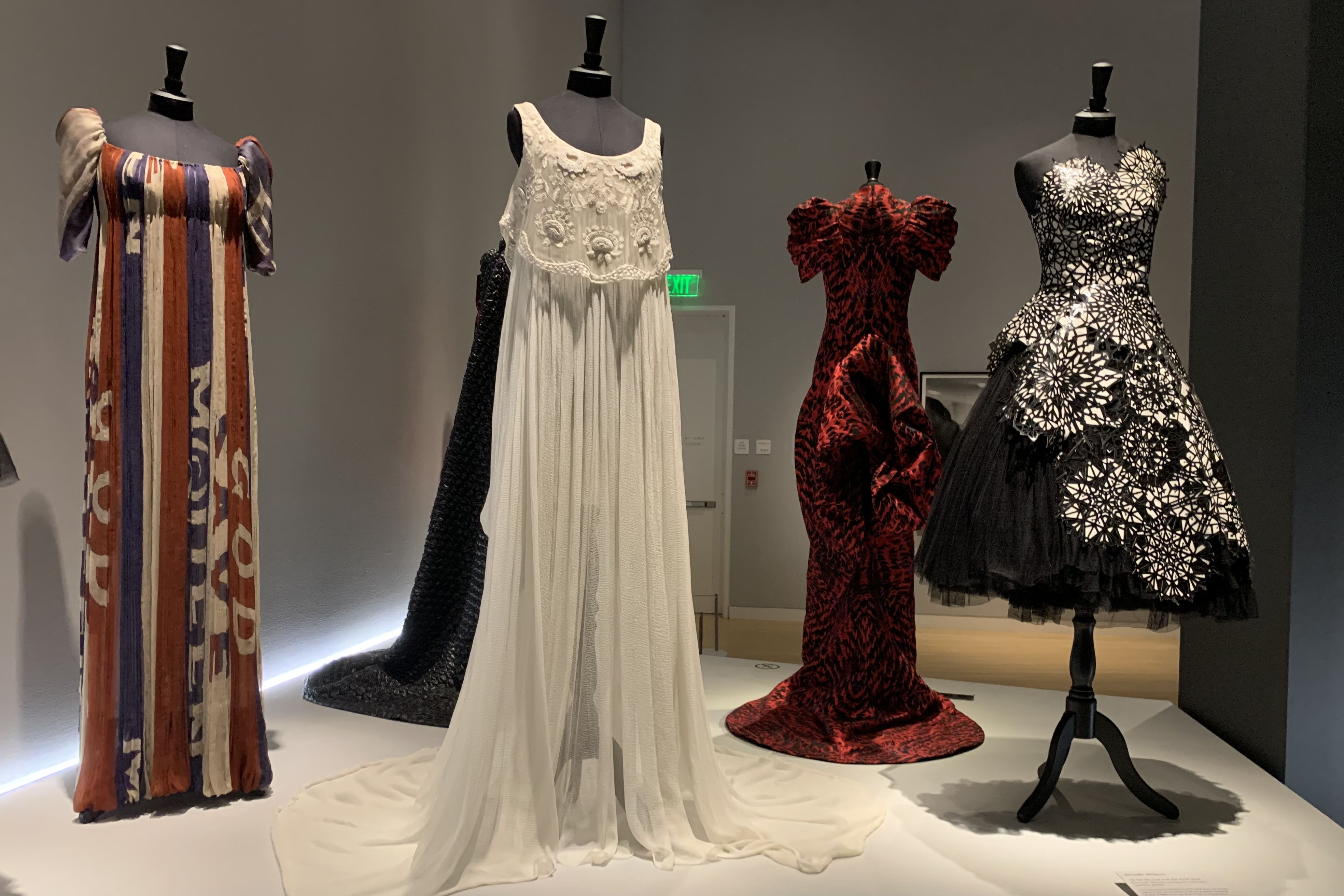
Alexander McQueen

Ann Ray photographed Alexander McQueen throughout his career. In the beginning, he couldn’t afford to pay her, they bartered photography for clothing. This exhibit, Rende-Vous, at the Crocker details the story of their professional relationship.

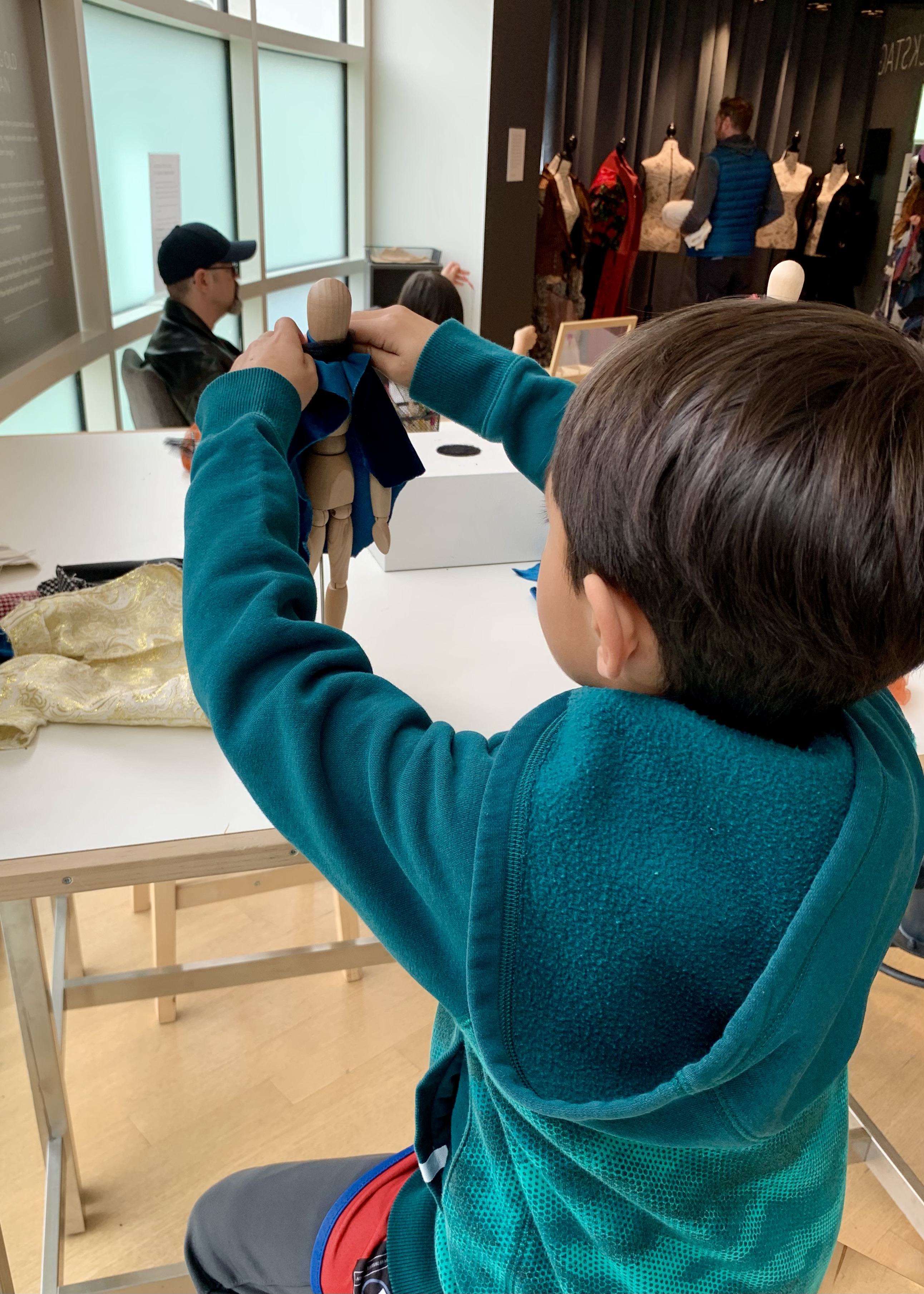
There was special area called the Dressing Room. Inside, there were several interactive activities, such as small-scale wooden models and clothes for children to create their own fashion statement. In the background, a few dress forms with clothes, hats, etc which children could try on then walk a very short runway and have their picture taken.

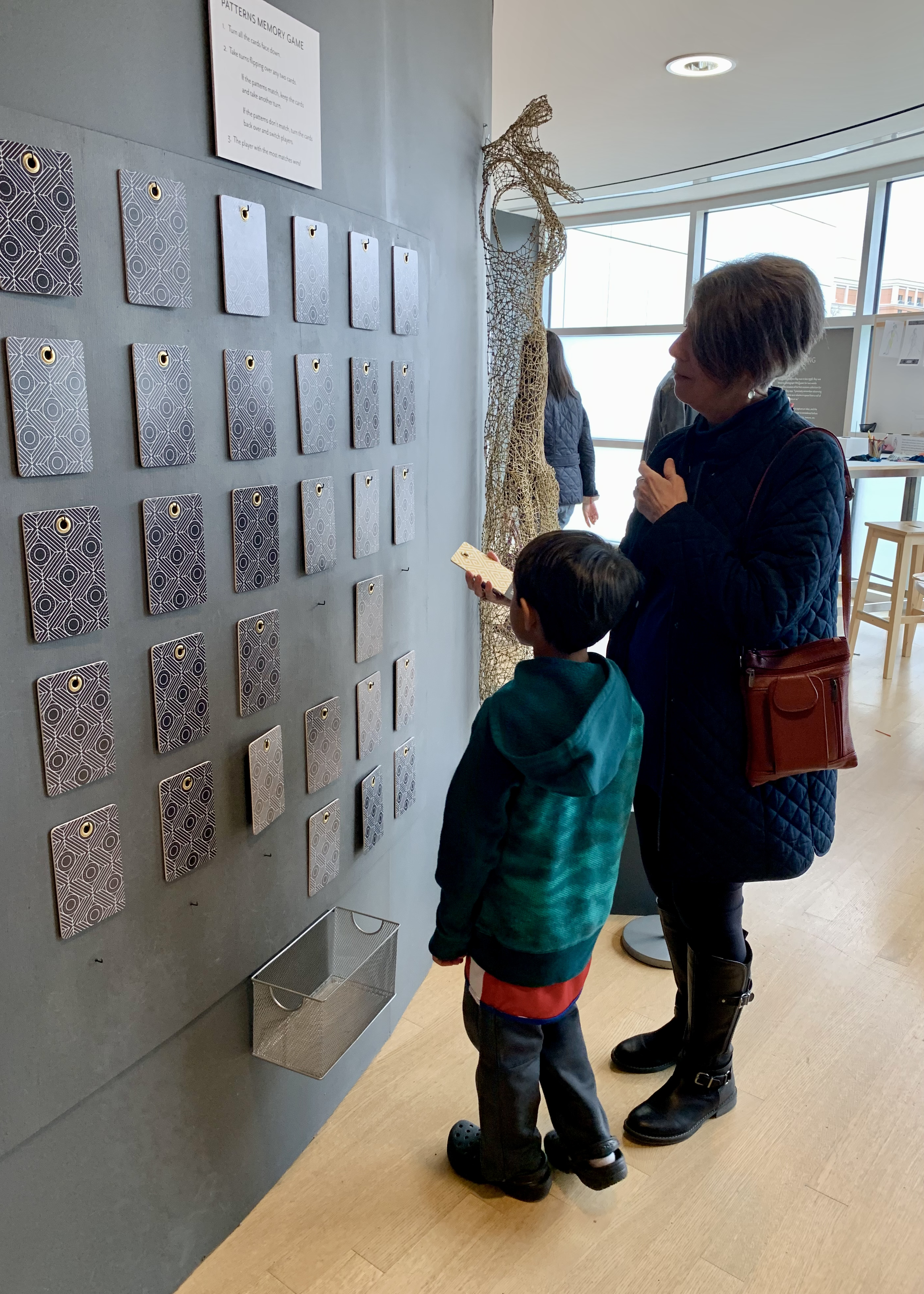
Carson and Terri playing a memory matching game for fabric patterns – ikat, plaid, stripe, houndstooth, quatrefoil, toile, etc.

Carson and Thais:

Projects completed

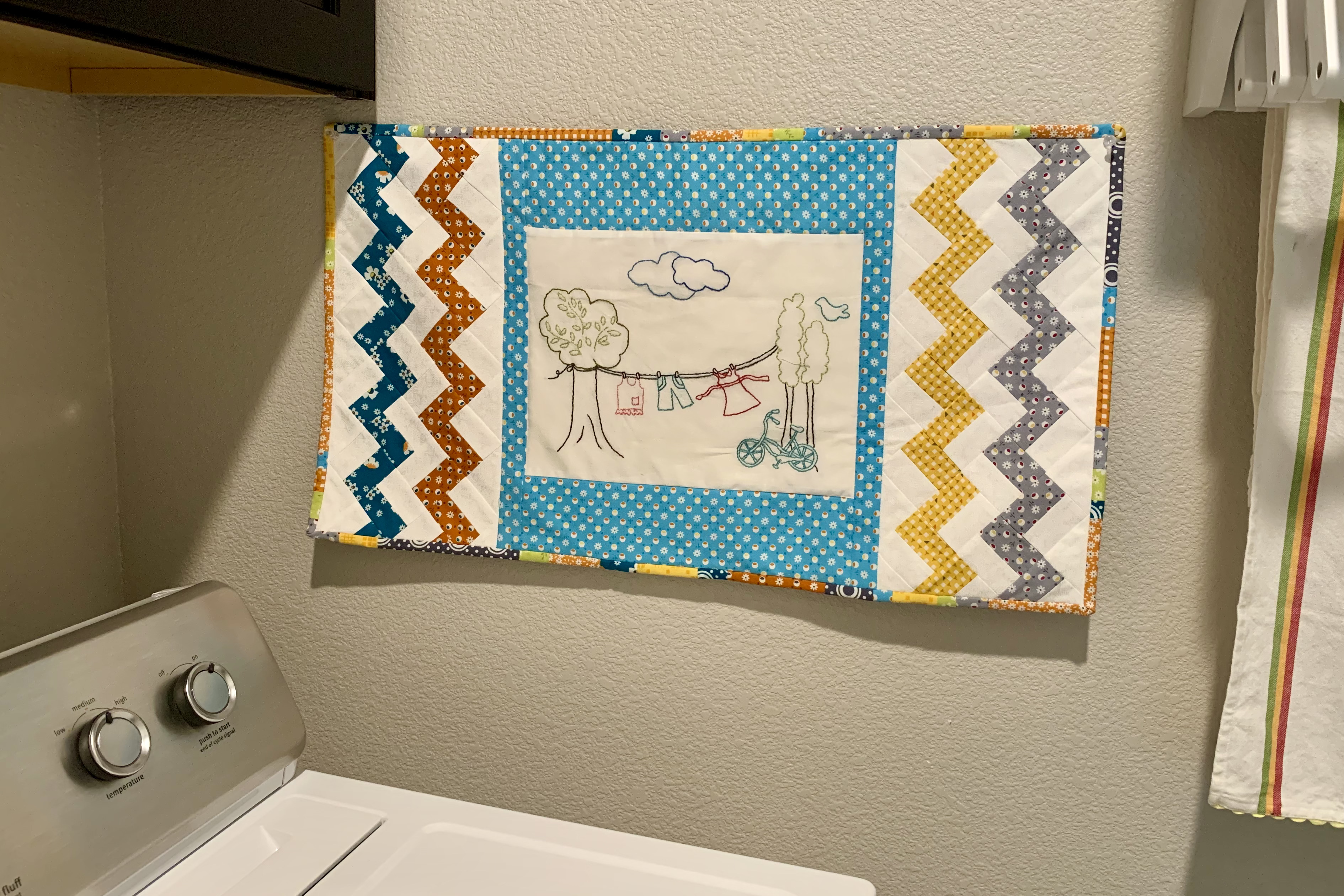
A clothesline and a bicycle in one embroidery design – I had to make this. And I was able to use a lot of scrap fabric to finish it.
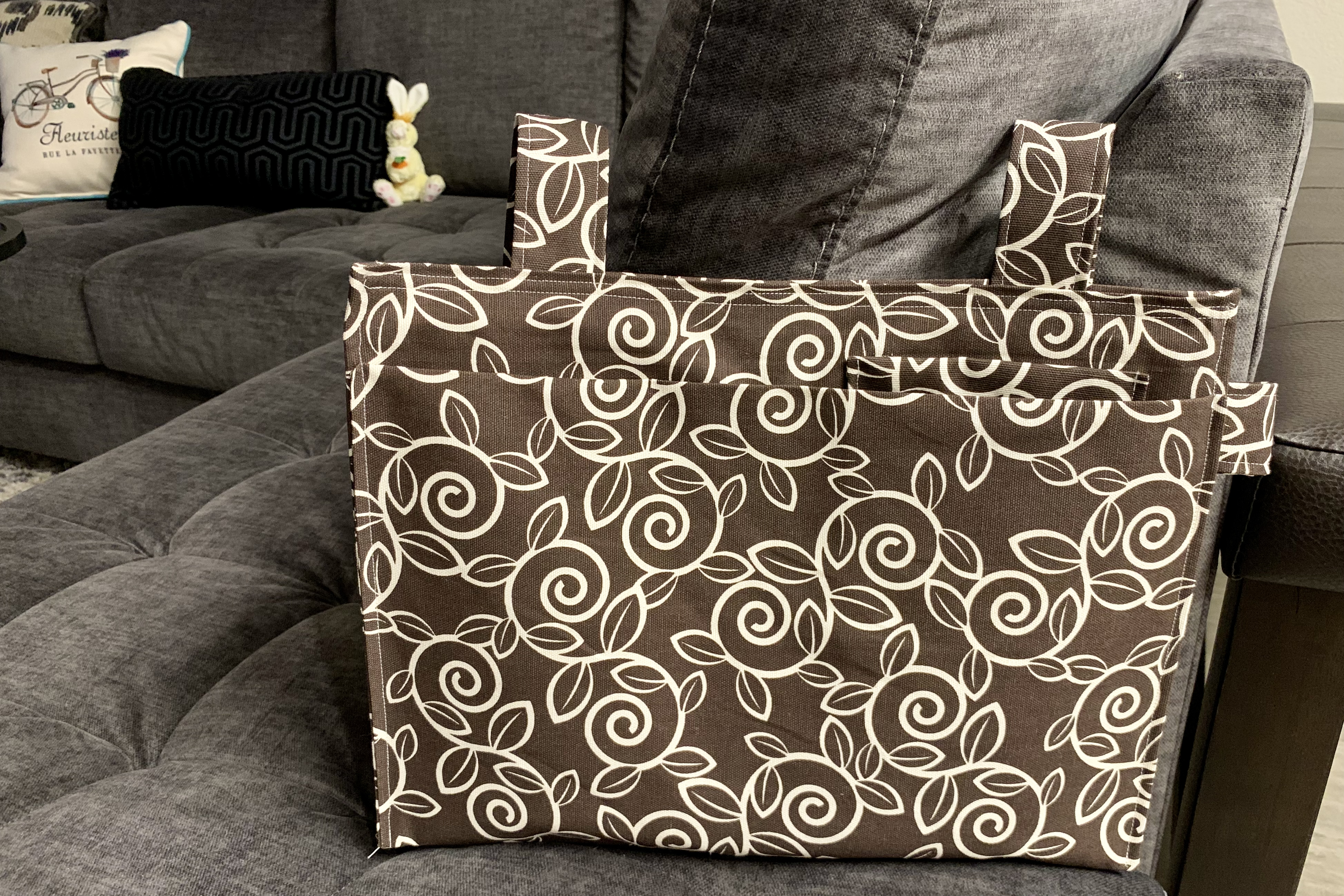
Jim and Lucy asked if I could figure out how to make a bag for the right side of Jim’s wheelchair – something to hold his wallet, a remote control, a special pocket for his cell phone. It was a fun project to figure out and took 3 fittings to get it right. And I used more scraps.

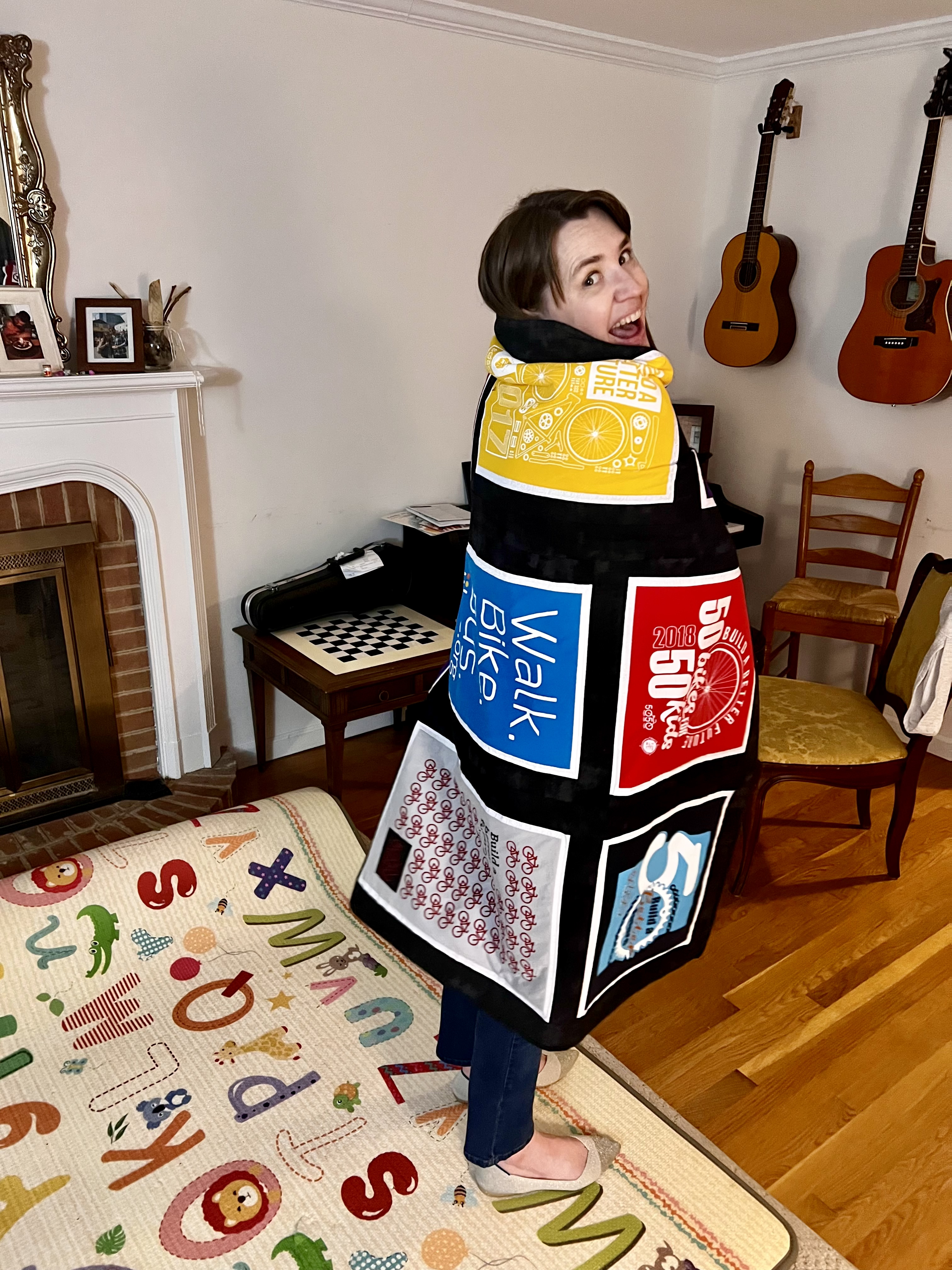
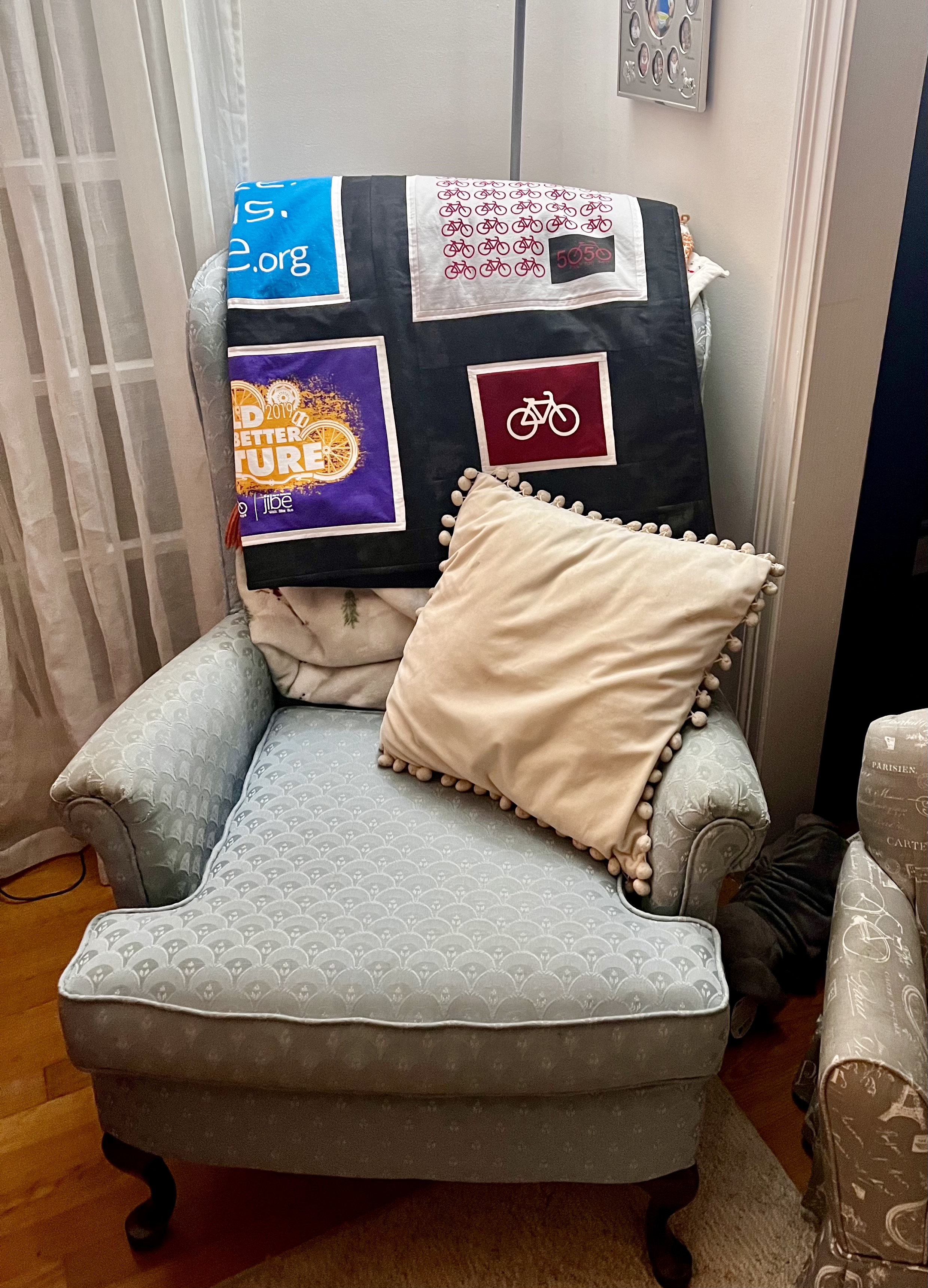
It’s always nice to see where something landed. This is Abbey in Virginia with the 50 Bikes for 50 Kids quilt.